








Exploring the History of Texas Small Towns
Texas, the second-largest state in the United States, boasts a rich tapestry woven from the diverse histories of its small towns. Each corner of this vast landscape – from the arid West Texas plains to the lush piney woods of East Texas – tells a unique story, shaped by the people who lived there, the industries that flourished, and the cultures that blended over centuries. These small towns have influenced everything from agriculture to arts and have become the backbone of Texas’s identity.
From historical sites and quaint downtowns to local legends and annual fairs, Texas small towns have more than just a geographical presence; they symbolize the resilience and spirit of communities that have stood the test of time. The history of these towns reflects broader American narratives, showcasing the struggles, triumphs, and, at times, the forgotten stories of their inhabitants.
Foundations of Texas Small Towns
Early Settlements and Indigenous Peoples
Before European colonization, Texas was home to various Indigenous tribes, including the Caddo, Comanche, and Tonkawa. Their rich cultures thrived in what is now understood as the neighborhoods of Texan history, contributing to the state’s diverse heritage. These tribes established trade routes, developed agricultural practices, and created stories that would lay the groundwork for the regions where future towns emerged.
As European settlers arrived in the early 19th century, they sought to capitalize on Texas’s fertile lands. Spanish missions, such as those in San Antonio, marked the beginnings of European influence. Towns began to form around these missions, where agricultural opportunities were cultivated. For many Anglo settlers arriving after the Texas Revolution in 1836, the promise of land and opportunity spurred the establishment of small communities, allowing for a true fusion of Native American and European cultures.
These early settlements were often based around key resources, such as water sources, fertile land for farming, or strategic locations for trade. Notable small towns like Fredericksburg, founded by German settlers, highlighted how immigration patterns shaped the character of Texas, as communities formed around mutual cultural ties and economic pursuits. Hermansville and other German-based towns retained unique customs, architecture, and culinary traditions, contributing to the rich cultural mosaic of Texas.
The Railroad Era and Economic Development
The arrival of the railroad in the late 19th century marked a pivotal point in the evolution of Texas small towns. Railroads connected remote communities to major markets, spurring growth and development. Towns like Gonzales and Allen saw rapid population increases as new businesses emerged, providing goods and services to local residents and travelers alike. The railroads not only facilitated economic growth but also played a crucial role in the dissemination of different cultures and ideas.
As Texas became a national leader in cattle ranching, small towns primarily in the West transformed into bustling centers for commerce. Towns such as Abilene became known as cattle towns, with thriving stockyards serving as meeting points for ranchers and buyers. The cattle drives initiated from places like these brought thousands of cattle to market, showcasing the profound influence of livestock on the Texan economy.
Alongside cattle ranching, agricultural practices began to diversify, with cotton and later oil driving local economies. Towns that could adapt to these changes often flourished, while others struggled to survive. Awareness of the land—its limitations and potential—became part of the identity of each small town, further intertwining their histories with the broader economic landscape of Texas.
Cultural Heritage and Social Dynamics
Traditions Born from Diversity
Texas small towns serve as vibrant tapestries of culture and tradition. The diversity of immigrant groups introduced a multitude of festivals, culinary traditions, and language that have shaped local identities. For instance, towns like San Antonio have preserved their rich Mexican heritage through various events, notably the famous Fiesta San Antonio, which celebrates both the historical and cultural contributions of the Hispanic community.
In East Texas, small towns like Tyler are known for their annual azalea festivals, showcasing the region’s floral beauty and celebrating the arrival of spring. These events not only foster community spirit but also attract visitors, helping to sustain local economies. The preservation of local traditions—from folk music to quilting—further reinforces a sense of belonging among residents, allowing them to connect with their history.
In contrast, socio-economic changes, especially in the late 20th century, led to a population shift that affected the cultural dynamics within these towns. The Great Migration and movements toward urban centers prompted many young residents to seek opportunities elsewhere. Small towns faced challenges in retaining their populations, resulting in a complex narrative of loss and adaptation that continues to evolve.
The Role of Small Towns in Texas Politics
Small towns in Texas have historically played a critical role in shaping the state’s political landscape. The municipal governance structures established during their founding laid the groundwork for the political engagement we see in these communities today. Residents of towns like Albany and Jasper often take pride in their political participation, whether it’s through local elections, town hall meetings, or grassroots initiatives.
The formation of influential groups—such as the Texas Farm Bureau—highlights how agricultural interests and rural voices have shaped state policies. Advocacy for local issues, whether relating to education, healthcare, or infrastructure, is a hallmark of small-town life, and can influence broader political trends within Texas. The rural-urban divide in political perspectives often finds its roots in these small communities, where conservatism tends to be more pronounced than in urban centers.
Moreover, Texas small towns have also been catalysts for significant social change. Initiatives by local leaders in towns such as Marshall and Huntsville regarding civil rights and community outreach reflect a growing momentum for social justice. Conversations surrounding race, gender, and economic opportunity continue to shape civic engagement and debate within these municipalities.
Challenges and Resilience
Economic Shifts and Sustainability
In recent decades, many small towns in Texas have faced economic challenges, especially as industries change and businesses consolidate. The decline of agriculture in some regions, coupled with the rise of technology and urban industries, has frequently left small towns grappling with decreased economic activity. Young people leaving for job prospects in cities exacerbates population decline, raising concerns about sustainability and community survival.
However, many small towns are showcasing resilience in the face of adversity. Innovative initiatives aimed at revitalizing local economies have gained traction across the state. Towns like Marfa and Granbury have tapped into the tourism sector, creating arts districts, hosting food and music festivals, and even capitalizing on their historical architecture to attract visitors. Small business development and entrepreneurial endeavors are increasingly encouraged through community programs, fostering a culture of local support.
Moreover, the emphasis on sustainability in agricultural practices and local food movements reflects a growing awareness among residents. Organic farms and co-ops have emerged as counter-narratives to conventional farming, aligning economic development with environmental stewardship, enhancing the local quality of life and ensuring a connection to the land that has long nurtured these towns.
Preservation Efforts and Future Outlook
As the history of Texas small towns continues to unfold, active preservation efforts have become fundamental to retaining their identity. Organizations dedicated to historic preservation are continuously working to restore historical landmarks and educate residents about their community’s past. This lobbying creates awareness about the significance of small towns within the larger Texan narrative.
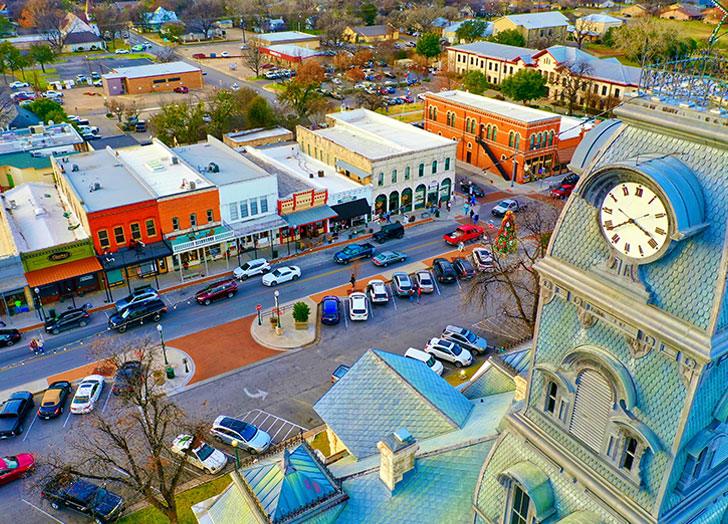
In many instances, residents take pride in the distinctive architecture of their towns, from Victorian homes to old storefronts, and advocate for the protection of these structures. Efforts to document oral histories and local traditions play a vital role in honoring their heritage, ensuring that younger generations are connected to the stories that have shaped their communities.
Looking ahead, the future of Texas small towns lies in adapting to the evolving landscape while preserving their core values. By embracing innovation and fostering inclusive community dialogues, these towns can navigate their challenges and continue to evolve, proving that even in the face of change, their history remains a precious cornerstone of Texas. Small towns, with their rich pasts and vibrant futures, demonstrate that they are not simply remnants of a bygone era but are indeed the living, breathing heart of Texas.