









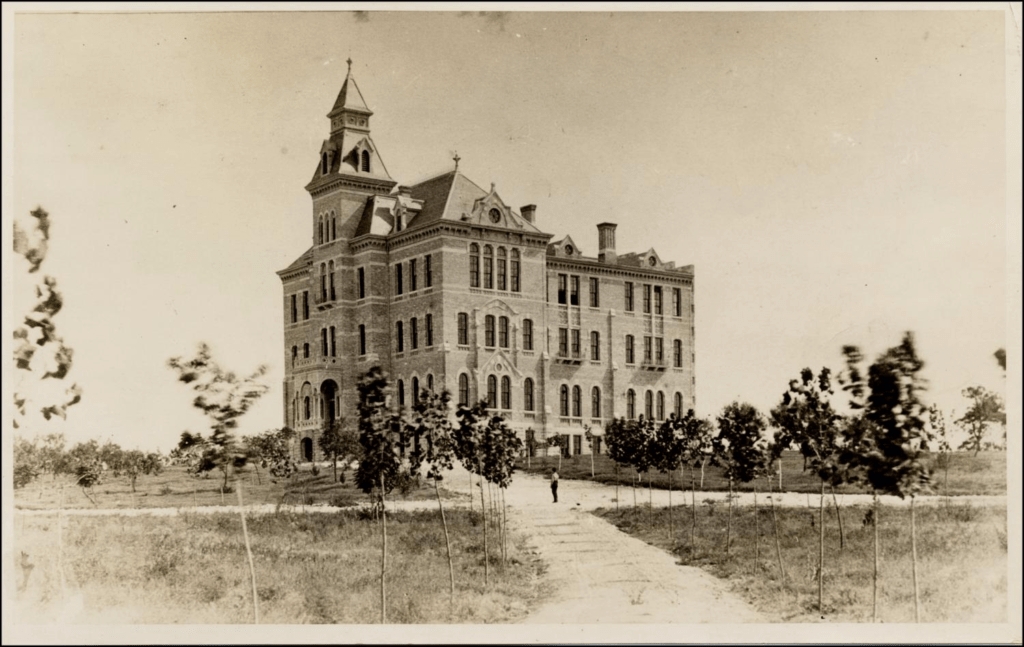
Exploring Historic Colleges and Universities in Texas
Texas is a state steeped in rich history and cultural diversity, reflected in its famed institutions of higher learning. From the renowned University of Texas at Austin to the storied halls of Texas Southern University, the state’s colleges and universities have played pivotal roles in shaping the academic landscape of the nation. These institutions not only provide education but also serve as significant cultural and historical touchstones, embodying the spirit of Texan resilience, innovation, and dedication to knowledge.
In exploring the historic colleges and universities of Texas, we uncover the narratives that propel future generations. Each institution boasts a unique history, contributing to the multicultural fabric of the Lone Star State. This article delves into some of the most prominent schools, highlighting their contributions to education, society, and the broader community.
The University of Texas at Austin
A Legacy of Excellence
The University of Texas at Austin, established in 1883, is one of the largest and most prestigious public universities in the United States. With a vibrant student body exceeding 50,000, its impact extends far beyond the campus. The university boasts a proud history of academic excellence and innovation, attributed to its rigorous programs and influential research contributions.
UT Austin has continually invested in research and development, producing notable alumni who have made significant impacts across various fields. From Nobel laureates to Pulitzer Prize winners, the university has nurtured a legacy of success. Additionally, its commitment to diversity and inclusion further enriches the campus experience, fostering a welcoming environment for students from all walks of life. The university’s iconic Tower serves as a symbol of academic achievement and community resilience, a tribute to the rich history that the institution embodies.
Innovations in Education
Historically, UT Austin has been at the forefront of social change, advocating for equal rights and access to education. The integration of students of diverse backgrounds was a significant milestone in the university’s timeline, paving the way for future generations of scholars. The assurance of educational accessibility remains a core commitment of the institution, reflecting the progressive ethos of Texas itself.
The university’s commitment to research and technological innovation has positioned it as a leader in various disciplines. Facilities like the Texas Advanced Computing Center enhance the university’s capabilities in computing research, making it a hub for innovation. This focus not only strengthens Texas’s academic reputation but also contributes to the global knowledge economy.
Texas A&M University
Tradition and Spirit
Founded in 1876, Texas A&M University is another culturally significant institution in Texas known for its traditions and spirit. As a land-grant university, A&M has a foundational mission of education and research focused on public welfare. The school’s strong connection to the military is evident through its Corps of Cadets, one of the largest voluntary student organizations in the nation.
The encompassing sense of community at Texas A&M fosters an environment of camaraderie that is unique among universities. The traditions, from the well-known “Midnight Yell” before football games to the solemn Silver Taps, reflect a dedication to both history and student engagement. These traditions instill a profound sense of belonging among students, profoundly influencing their personal and professional lives long after graduation.
A Commitment to Excellence
Texas A&M is distinguished not only for its vibrant community but also for its dedication to research and academics. The university is a hub for agricultural sciences, engineering, and health professions, continually pushing the envelope of what is possible. It boasts federally-designated researchers, significantly contributing to advancements in military, energy, and biomedical fields.
The school’s research infrastructure is complemented by extensive partnerships with government agencies and private sectors, fostering an environment ripe for innovation. With an emphasis on practical applications, students at A&M are continuously engaged in projects that benefit society at large, effectively preparing them for real-world challenges.
Prairie View A&M University
A Historic Legacy of Opportunity
Since its founding in 1876, Prairie View A&M University has served as a beacon of hope and opportunity for African American students. As one of the oldest historically black colleges and universities (HBCUs) in Texas, Prairie View has played an instrumental role in the advancement of education within the African American community.
Selective emphasis on community engagement is a hallmark of Prairie View’s mission. The university’s outreach programs bridge the gap between education and community service, encouraging students to participate actively in social and civic responsibilities. This connection not only enriches their educational experience but also cultivates a distinctive platform for leadership and advocacy.
Cultivating Leaders for Tomorrow
Prairie View has cultivated numerous leaders in various fields, including government, business, and the arts. Its alumni network spans the globe, demonstrating the university’s impact on diverse industries. By focusing on educational equity, Prairie View A&M has not only transformed individual lives but has also influenced broader societal change.
The campus itself is steeped in tradition, with events like the annual Homecoming celebration drawing thousands of alumni back to the university. This sense of heritage strengthens the bonds between past and present students, fostering a community that extends well beyond graduation. The university’s commitment to preserving history while shaping future leaders remains a critical aspect of its mission.
Texas Southern University
Empowering Excellence Through Education
Texas Southern University, established in 1927, has been a vital institution within the Houston community and the broader Texan landscape. Known for its commitment to education and social equity, TSU was founded as an HBCU to provide educational opportunities to African Americans during a time of segregation and discrimination.
The university’s focus on social justice and civil rights resonates deeply within the community it serves. Throughout its history, Texas Southern has produced a wealth of influential leaders, including numerous civil rights activists, public servants, and educators. With strong programs in law, education, and business, TSU caters to a diverse population, offering accessible education to all students.
Community and Cultural Impact
The cultural impact of Texas Southern University extends beyond its academic programs. The institution actively engages with the Houston community through various initiatives and outreach programs. TSU organizes cultural events, lectures, and workshops that celebrate African American heritage and promote awareness and understanding of social issues.
As a prominent player in the landscape of Texas higher education, TSU serves as a platform for students to engage with and challenge societal norms. The university fosters an environment in which students can explore their passions and develop into compassionate leaders. Its commitment to empowering future generations reinforces the ongoing struggle for equality and justice.
Conclusion: The Legacy of Texas Higher Education
The rich tapestry of historic colleges and universities in Texas reflects the state’s dedication to education, social justice, and cultural diversity. Institutions like the University of Texas at Austin, Texas A&M University, Prairie View A&M University, and Texas Southern University not only serve as centers of academic excellence but also as vital cultural institutions that shape the social landscape of Texas.
These universities contribute immeasurably to the intellectual, cultural, and social fabric of the nation. Their histories are intertwined with the struggles and achievements of the communities they serve, reminding us of the profound impact education can have on society. As Texas continues to grow and evolve, these institutions will undoubtedly play crucial roles in shaping the future of education and community engagement.