







As Texas approaches the five-year mark since a devastating winter storm crippled its power grid, the state faced another weekend of challenges, including empty grocery shelves, school closures, and renewed scrutiny of its electrical infrastructure.
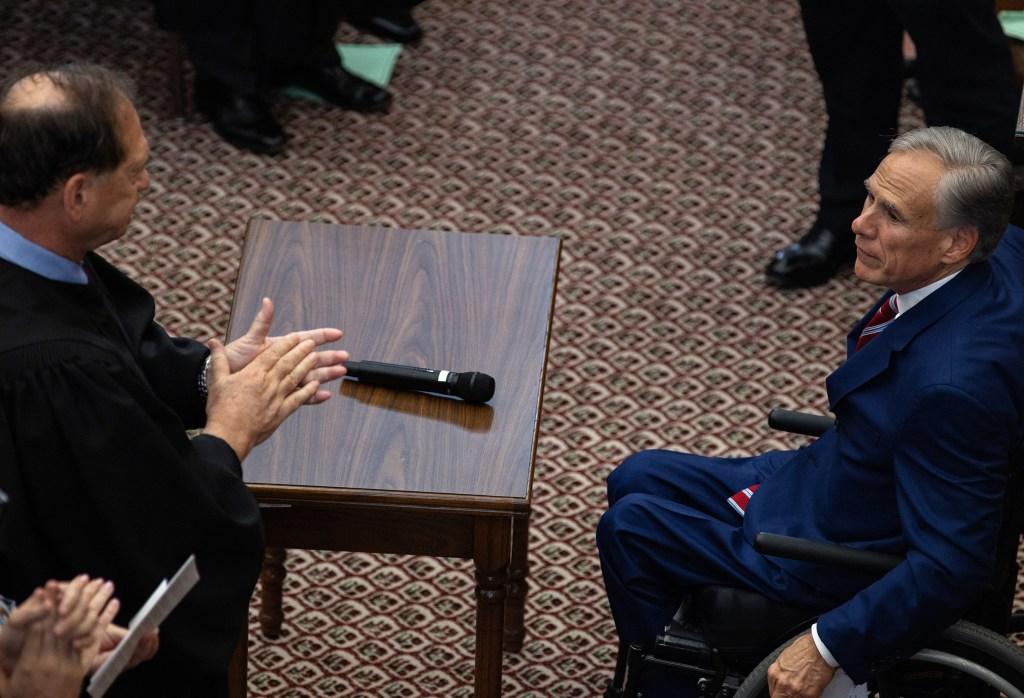
In the days leading up to this year’s storm, Governor Greg Abbott, along with state emergency management officials and the CEO of the Electric Reliability Council of Texas (ERCOT), reassured residents that the grid was well-equipped to manage increased demand due to forecasts of snow, sleet, and freezing rain across much of Texas.
While localized power outages did occur and there were reports of fatalities linked to exposure and accidents, the power grid remained stable during this high-demand period. Experts noted, however, that the severity of this year’s storm paled in comparison to Winter Storm Uri in February 2021.
“The grid has held once again, working absolutely flawlessly,” Abbott stated during a radio interview on Monday, attributing the success to the measures implemented over the past five years.
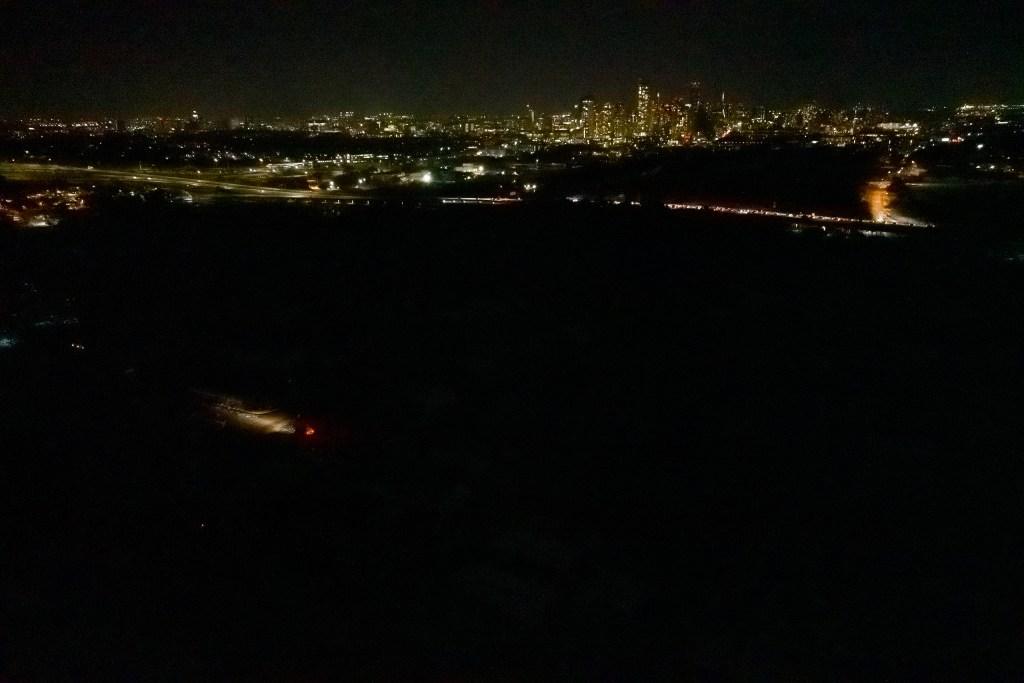
The blackouts of 2021, which resulted in hundreds of deaths, were triggered by extreme cold that overwhelmed key components of the power grid. ERCOT was forced to cut power to millions of customers for days to prevent a complete grid failure.
In stark contrast, the state’s energy supply this time comfortably surpassed demand, bolstered by a more diversified grid and the introduction of battery storage solutions that were virtually nonexistent in 2021.
On Monday morning, 9.5% of the power on the grid was supplied by batteries, generating over 7,000 megawatts of electricity. According to ERCOT, this amount was sufficient to power approximately 1.75 million homes during peak hours.
Battery storage is just one of the many changes to the ERCOT grid since 2021. Following the catastrophic winter storm, lawmakers mandated that power plants and electric infrastructure be fortified against extreme weather, allocating billions in state funds to promote the development of new natural gas power facilities. Additionally, the state’s energy market has seen significant growth, particularly with an influx of solar farms and battery storage projects.
However, Texas officials anticipate a substantial rise in electricity demand over the next five years, driven by the construction of new artificial intelligence data centers and continued population growth.
Can Texans feel assured for the next winter storm or summer heatwave? The aftermath of Winter Storm Uri remains a cautionary tale.
In February 2021, Winter Storm Uri plunged Texas into a frigid grip, causing unprecedented electricity demand just as significant portions of the energy infrastructure began to falter. ERCOT’s post-event review revealed that the grid lost approximately 1,500 megawatts of generation in a matter of minutes on February 15, as power plants began to shut down in rapid succession due to freezing conditions and fuel supply issues.
ERCOT operators faced a critical situation when system frequency dropped below 59.4 hertz, indicating that demand was surpassing supply—an occurrence that threatened catastrophic damage to grid components. The organization later determined that operators had mere minutes to intervene before an automatic shutdown could have led to a near-total blackout.
To avert this disaster, ERCOT initiated large-scale power cuts to alleviate grid demand. At the peak of the blackouts, approximately 20,000 megawatts of electric demand were curtailed, a move labeled the largest controlled blackout in U.S. history. This figure does not account for the additional Texans who lost power due to infrastructure damage caused by the storm.
The emergency persisted for several days, with blackouts continuing until February 18. Over 4.5 million residents were left without electricity, many enduring subfreezing temperatures for multiple days. The outages disrupted water systems, leading to boil-water notices for more than 14 million people.
The storm inflicted an estimated $80 billion to $130 billion in economic damage and was associated with 246 deaths, primarily due to hypothermia and carbon monoxide poisoning as residents sought warmth using unsafe methods indoors.
In the wake of the storm, some state officials, including Governor Abbott, initially pointed fingers at renewable energy for the grid’s failures. However, subsequent analyses indicated that all power sources, including natural gas, nuclear, and coal, struggled to function under the extreme conditions.
In the aftermath of the crisis, five members of the ERCOT board, including its chair, resigned amid widespread criticism. The chair of the Public Utility Commission also stepped down shortly thereafter.
In response, state lawmakers enacted legislation aimed at bolstering grid resilience. The Public Utility Commission subsequently introduced rules for weatherization requirements, allowing power plants to request exemptions if they could demonstrate compliance efforts and submit future plans.
An August 2025 report from the State Auditor’s Office highlighted shortcomings in the Railroad Commission’s verification processes for natural gas production and delivery systems, which were supposed to be fortified against cold weather. The commission contested the report’s findings but noted that it had conducted over 7,400 weatherization inspections in fiscal year 2025, with nearly 1,200 inspections completed since September.
Both the Public Utility Commission and ERCOT have pointed to various improvements to the grid that they claim should instill confidence in Texans, including enhanced weatherization, better emergency response, and modifications in market pricing to ensure backup power is available during tight grid conditions.
“The proof that these reforms have strengthened the grid is evident in its performance,” stated PUCT Chair Thomas Gleeson. “Just this week, the ERCOT grid successfully navigated a severe winter storm without any systemwide disruption. Since 2021, the ERCOT grid has shattered numerous demand records without any interruptions.”
Since 2021, Texas has emerged as a leader in solar energy and battery storage, significantly enhancing the state’s power supply. Solar capacity has more than doubled from 2023 to 2025, while battery storage has tripled, according to ERCOT data.
During the sweltering summers of 2022 and 2023, when power demand and wholesale electricity prices surged, developers seized the opportunity to expand battery storage capabilities in 2024 and 2025, as stated by Aaron Zubaty, founder and CEO of Eolian, a battery storage company.
Batteries are instrumental in storing excess power during low-demand periods and releasing it back into the grid when needed. This advancement grants operators additional time to respond during emergencies.
“Had a situation similar to 2021 unfolded this week, gigawatts of battery storage would have deployed automatically when gas supply disruptions tripped thermal power plants offline,” Zubaty explained. “The battery storage fleet could sustain the system for hours and activate within seconds, crucial since outages can occur in mere moments.”
Nevertheless, despite the grid’s resilience during this cold snap, a more significant challenge looms on the horizon. ERCOT projects that peak demand could escalate from approximately 87 gigawatts in 2025 to nearly 145 gigawatts by 2031.
A substantial portion of this increase is anticipated to stem from large new users, including data centers and cryptocurrency mining operations, rather than merely population growth.
According to ERCOT, 5,302 megawatts of demand from large data centers have been added to the grid since 2022. Current forecasts suggest that data centers will become one of the fastest-growing sources of demand, potentially exceeding 24,000 megawatts by the decade’s end.
This rapid growth is prompting experts to reevaluate grid reliability. Matthew Boms, executive director of the Texas Advanced Energy Business Alliance, acknowledged that while the system has more tools at its disposal compared to 2021, these resources will be tested as demand accelerates.
“The real stress test will be how the system copes with demand outpacing infrastructure,” Boms cautioned. “We are adding large loads at an unprecedented rate, and the grid must prove it can keep pace.”
Noah Roberts, executive director of the U.S. Energy Storage Coalition, commended Texas as the nation’s “gold standard” for integrating battery storage into the energy grid. However, Boms warned that batteries are not intended to sustain the system during extended emergencies.
“Batteries excel in speed,” he remarked. “They respond in milliseconds, stabilizing the grid. However, most grid batteries are designed for a few hours of operation, not for prolonged periods.”
Some experts urge caution in interpreting the grid’s performance during this month’s storm. Virginia Palacios, executive director of Commission Shift, noted that the cold snap was far less severe than Winter Storm Uri, making it challenging to assess the effectiveness of post-2021 weatherization measures.
“We lack sufficient data on that,” Palacios stated, particularly regarding the performance of the natural gas infrastructure that fuels many power plants. She emphasized the difficulty in evaluating these changes, given that Texas does not mandate public disclosure regarding the weatherization status of gas facilities or their performance during extreme weather events.
There is a general consensus that building a more extensive, resilient grid will necessitate significant new investments, likely resulting in higher electricity rates for consumers.
A study conducted by the Texas Energy Poverty Research Institute predicts that residential electricity rates in the ERCOT market could rise by approximately 29% by 2030, primarily driven by an estimated $96 billion in necessary investments for transmission and distribution improvements.
</