







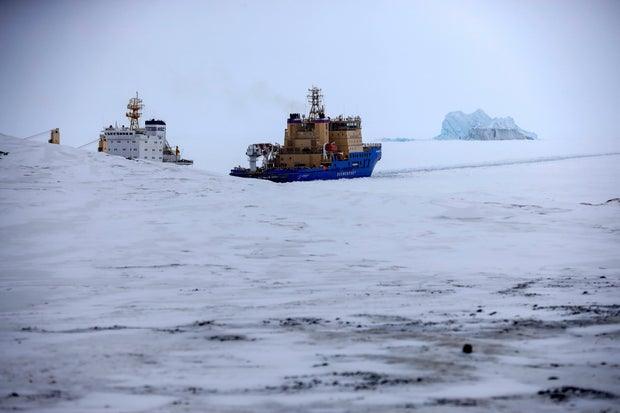
Reykjavik, Iceland – The accelerating rise in global temperatures is hastening the melting of sea ice in the Arctic Ocean, leading to a significant increase in maritime traffic through routes that were previously inaccessible. This surge in shipping activity has raised environmental concerns, particularly regarding black carbon emissions from vessels, which are contributing to the rapid degradation of ice in the region.
In discussions this week among international shipping regulators, multiple nations have advocated for the adoption of cleaner fuels for Arctic shipping to mitigate pollution. The introduction of these cleaner alternatives is seen as essential in combating the environmental impact of increased maritime traffic, which has been further complicated by geopolitical discussions around territories like Greenland.
Black carbon, or soot, settles on glaciers and ice, diminishing their ability to reflect sunlight. This absorption of solar heat is a critical factor in making the Arctic the fastest-warming region on the planet, with repercussions that extend to global weather patterns. Sian Prior, a lead advisor for the Clean Arctic Alliance, emphasized the urgent need for regulations targeting black carbon emissions, noting that both emissions and black carbon remain largely unregulated in the Arctic.
International Proposals for Cleaner Shipping
In December, a coalition comprising France, Germany, the Solomon Islands, and Denmark proposed that the International Maritime Organization (IMO) mandate the use of “polar fuels” for ships operating in Arctic waters. These lighter fuels are designed to reduce carbon emissions compared to conventional heavy fuel oils. The proposal outlines compliance measures and specifies that it would apply to all vessels navigating north of the 60th parallel. It is slated for presentation to the IMO’s Pollution Prevention and Response Committee in the coming days, with further discussions anticipated in April.
Despite a ban on heavy fuel oil that took effect in 2024, the impact on black carbon reduction has been minimal due to existing loopholes that allow continued use of this pollutive fuel type.
The Tension Between Economic Interests and Environmental Protection
The challenge of addressing black carbon pollution is compounded by conflicting international interests among Arctic nations. Recent remarks from former President Trump regarding U.S. claims over Greenland have overshadowed pressing environmental issues, as debates surrounding national security and sovereignty take precedence.
Trump’s skepticism toward climate change initiatives has also influenced international regulatory efforts. His intervention last year delayed proposed regulations that aimed to impose carbon fees on shipping, which could have incentivized cleaner fuel use and fleet electrification. This setback raises questions about the IMO’s ability to swiftly advance the current proposals aimed at limiting black carbon emissions.
Within Arctic nations themselves, there are significant internal disagreements regarding the regulation of shipping pollution. Iceland, for example, is recognized for its advancements in green technology; however, conservationists argue that the country has been slow to address marine pollution due to the powerful influence of its fishing industry.
Arni Finnsson, chair of the Iceland Nature Conservation Association, noted that while the fishing sector enjoys profitability, it resists higher taxes and is largely disengaged from climate and biodiversity issues. He expressed hope that the government would eventually take stronger action, but acknowledged the need for the fishing industry’s consent.
Increasing Maritime Traffic and Pollution Challenges
The rise in shipping traffic has led to heightened soot emissions in the Arctic, as cargo vessels, fishing boats, and even cruise ships navigate the waters connecting Iceland, Greenland, Canada, Russia, Norway, Finland, Sweden, and the United States. Between 2013 and 2023, the number of ships operating north of the 60th parallel surged by 37%, with the total distance covered by these vessels increasing by 111% during the same period.
Black carbon emissions have also risen sharply, with 3,310 metric tons emitted from Arctic vessels in 2024, up from 2,696 metric tons in 2019. Research indicates that fishing boats are responsible for the majority of these emissions, and the recent ban on heavy fuel oil is expected to yield only marginal reductions in black carbon levels due to existing waivers that allow continued use until 2029.
Environmental advocates argue that regulating ship fuel is the most feasible way to reduce black carbon emissions, as reaching a consensus on limiting shipping traffic across nations appears unlikely. The financial benefits of fishing, resource extraction, and the appeal of shorter shipping routes through the Arctic are too significant for many countries to overlook.
Despite the potential for shipping routes like the Northern Sea Route to save time on international voyages, challenges remain. This path is navigable only for several months each year and requires icebreaker assistance, leading some companies to commit to avoiding these routes in the interim. Søren Toft, CEO of Mediterranean Shipping Company, publicly reaffirmed this stance, emphasizing the company’s commitment to not utilizing the Northern Sea Route.