








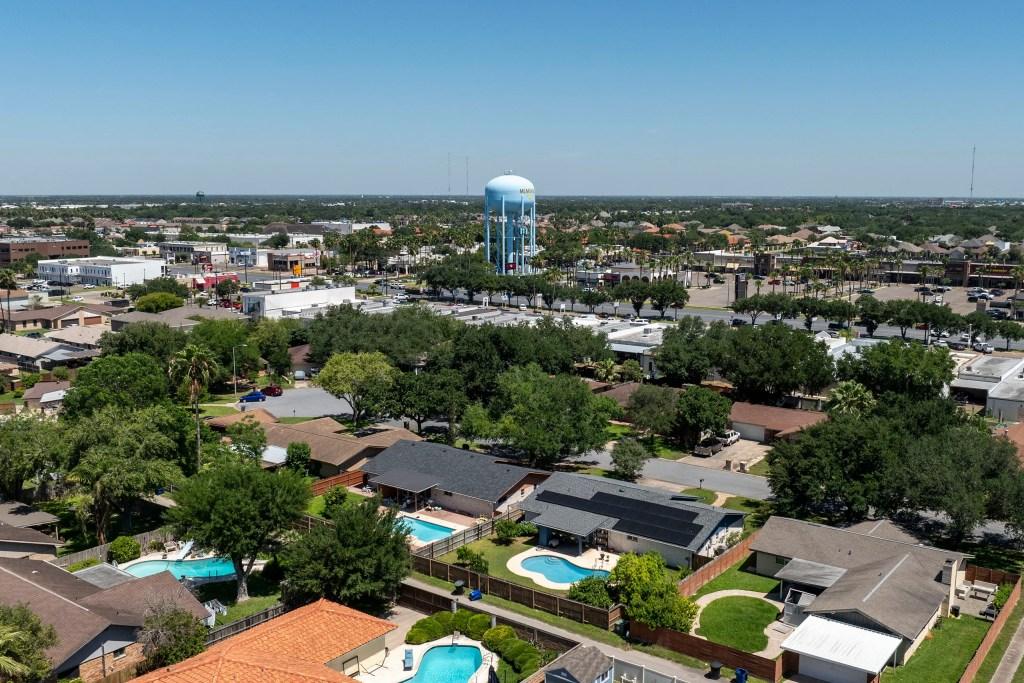
McALLEN — In 2019, a historic theater’s marquee in the downtown area of McAllen proudly proclaimed, “Welcome to McAllen, 7th Safest City in America.” This message was prominently displayed prior to a visit from then-President Donald Trump, aiming to counter the prevailing narrative that characterized the border region as perilous. The ranking was derived from a 2015 analysis conducted by Smart Asset, a financial technology firm.
Fast forward a decade, and McAllen is once again spotlighting its crime statistics, this time celebrating a remarkable decline in crime, marking the lowest levels seen in 40 years.
McAllen is part of a broader trend, as the drop in crime aligns with a national and statewide movement observed over recent years.
Data from the Texas Department of Public Safety indicates that crime rates in Texas have been on the decline since 2023. The state saw a peak in crime rates in 2022, with a rate of 2,830.14 per 100,000 residents, before beginning a downward trajectory.
Between 2022 and 2023, Texas experienced a 3.3% reduction in crime rates, followed by an 8.2% decrease from 2023 to 2024, and a further 13% drop between 2024 and 2025. In 2025, McAllen, with a population of 151,000, reported a significant 21% decline in crime, mirroring a similar decrease in Brownsville, the largest city in the Rio Grande Valley, which also saw a 21% drop.
“We’ve been consistently decreasing crime,” stated McAllen Police Chief Victor Rodriguez. He attributed this success to the city’s population growth, an involved community willing to report potential crimes, and local officials who prioritize funding for public safety, allowing for a staffing ratio of two officers per 1,000 residents.
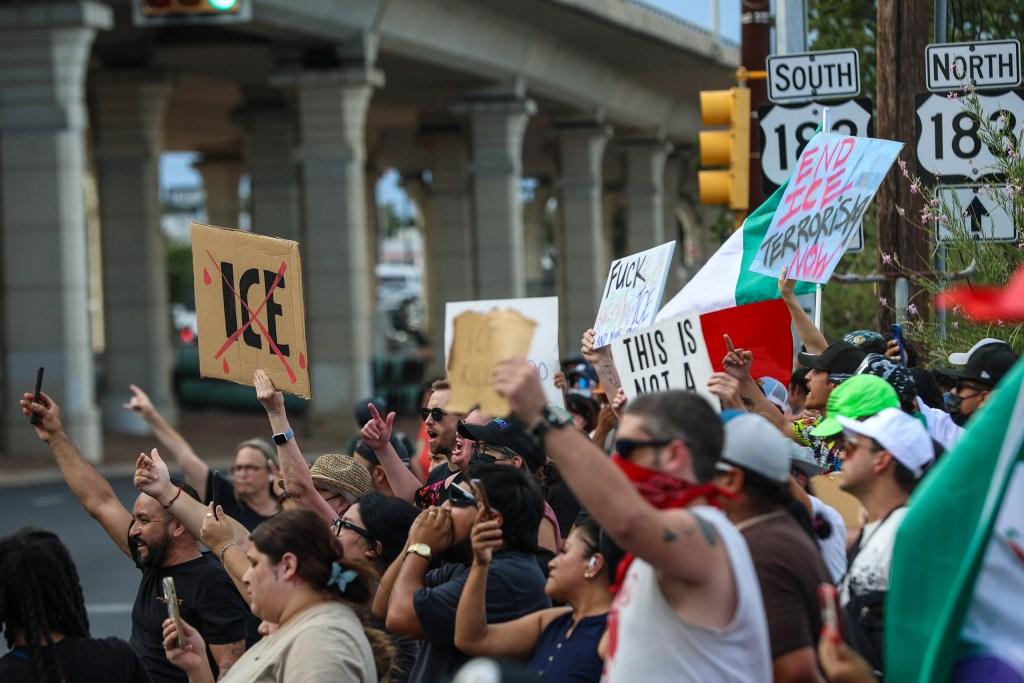
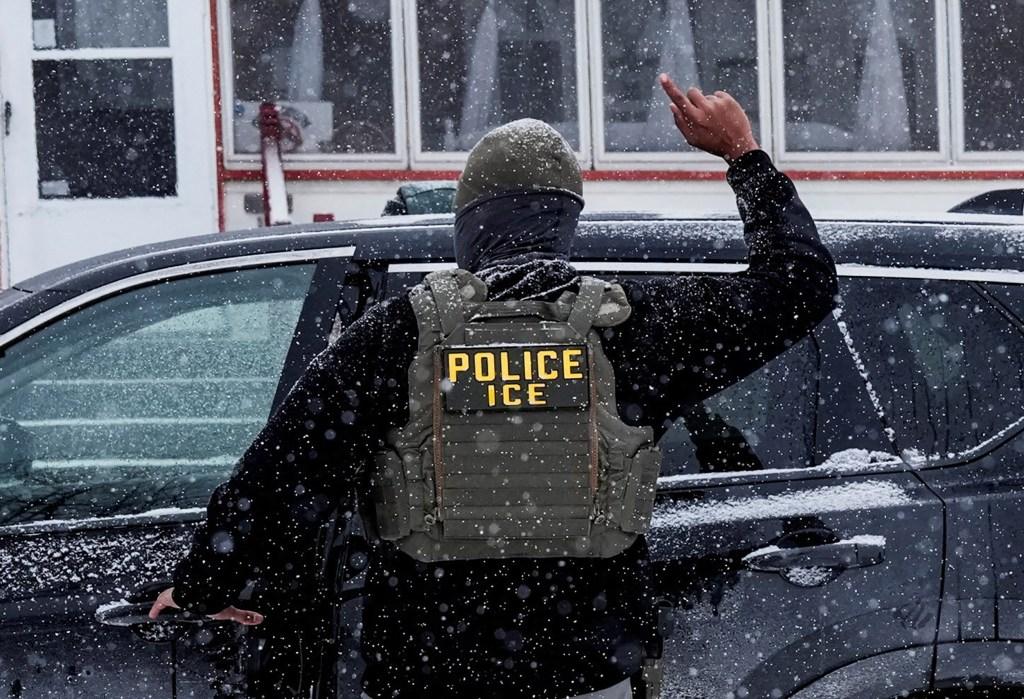
Rodriguez also suggested that increased immigration enforcement during Trump’s second term may have contributed to the decline in crime rates. “The presence of law enforcement authorities in this region helps us maintain a lower crime rate in McAllen and across the state,” he remarked.
While the presence of ICE may have influenced crime reporting behaviors, experts caution that it is too early to ascertain the extent of this impact. McAllen and Texas are not anomalies; they are part of a broader national trend, according to Alex del Carmen, a former criminologist with the Dallas Police Department and the current dean at Westfield State University in Massachusetts.
Del Carmen noted that homicides in major U.S. cities fell by approximately 21% between 2024 and 2025 and are down 44% from the peak in 2021, indicating that Texas is part of this national wave.
The decrease in crime has been observed in both areas with and without active immigration enforcement, according to Thomas Abt, founding director of the Center for the Study and Practice of Violence Reduction. “I haven’t seen any concrete evidence suggesting that aggressive immigration enforcement positively or negatively affects crime,” he stated. “It takes time for research to produce definitive conclusions.”
Research consistently shows that immigrants, on average, are less likely to commit crimes than U.S. citizens. “This doesn’t imply that there are no immigrants involved in criminal activities,” Abt clarified. “However, a comprehensive look at immigrant populations reveals they commit fewer offenses, and cities with larger immigrant populations often report lower crime rates.”
Concerns exist that the reported decline in crime may partly stem from fear within immigrant communities about reporting crimes. Following the introduction of the Secure Communities program by ICE in 2008, Hispanic victims became approximately 30% less likely to report crimes. This trend affected both undocumented individuals and citizens alike, according to del Carmen.
Recent surveys indicate that 16% of foreign-born Latinos have refrained from contacting the police or reporting crimes due to concerns about their legal status. Police chiefs in cities like Los Angeles and Houston have noted that declines in crime reports from Latino communities can be attributed to fears of deportation.
Nevertheless, the fear of reporting does not fully explain the overall decline, as homicide rates, which are less susceptible to reporting biases, are also decreasing. Abt emphasized that data on serious offenses, such as homicides, tends to be more reliable due to the abundance of evidence associated with such incidents.
On the contrary, the rates of lesser offenses, like shoplifting or drug-related crimes, often correlate with police focus on those issues. During the pandemic, anecdotal evidence suggested a spike in shoplifting that did not reflect in official data, raising questions about the accuracy of reporting.
The current drop in crime rates may signal a return to normalcy following a surge in crime during 2020 and 2021. The COVID-19 pandemic, along with social unrest sparked by the killing of George Floyd in Minneapolis, contributed to a period of heightened crime.
Additionally, a surge in firearm purchases occurred in 2020, with first-time gun owners making up 40% of buyers. Abt noted that this tumultuous period led to polarized views on criminal justice, with some advocating for aggressive law enforcement while others pushed for a re-evaluation of policing practices.
Instead of adhering to these extremes, a more balanced approach has emerged, facilitated by federal funding under President Joe Biden. Cities are now investing in both law enforcement and community initiatives to combat crime effectively.
“A more rational center has emerged, emphasizing the need for collaboration between police and communities,” Abt explained.
In Texas, del Carmen highlighted that approximately 70% of violent crime occurs in the most populous 25 jurisdictions. Therefore, when cities like Houston, San Antonio, and Dallas implement targeted policing and crime reduction strategies, the overall state crime statistics are impacted.
“No single entity can take full credit for these declines,” del Carmen concluded. “The simultaneous reductions in cities with varying policies suggest that structural and post-pandemic factors are driving much of the change.”