







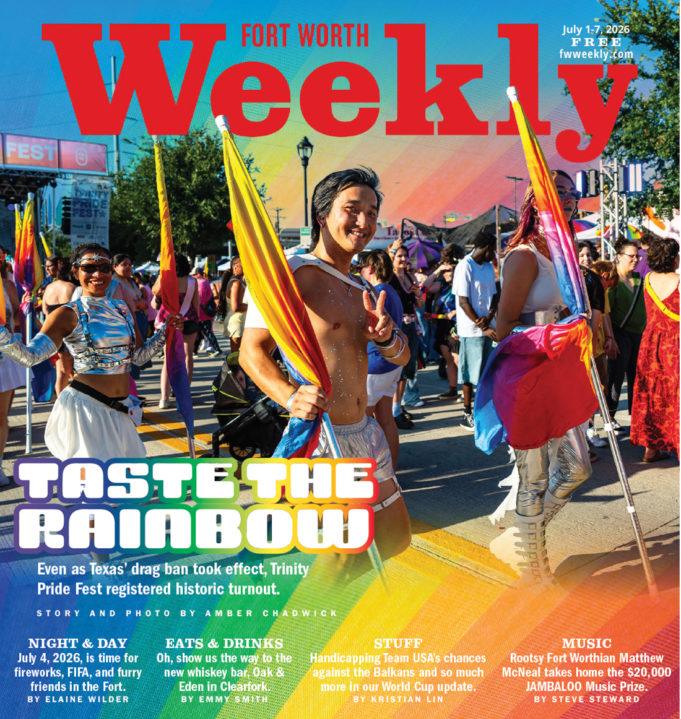
Despite the implementation of Texas’ drag ban, Trinity Pride Fest saw a remarkable turnout this past Saturday, attracting over 7,400 registered participants to South Main Village. This year’s event marked the sixth annual celebration, solidifying its status as Tarrant County’s largest Pride gathering. With vibrant banners and rainbow decorations adorning the streets, local bars, restaurants, and shops opened their doors to the enthusiastic crowd. Many families return to Trinity Pride Fest year after year, and festival organizers anticipated that attendance would exceed the previous year’s figures. However, this celebration unfolded against a backdrop of heightened tensions due to the recently enacted SB-12, a law that imposes significant burdens on Texas drag performers and small businesses navigating its vague stipulations.
SB-12, which was passed in 2023, has sparked controversy since its approval. Following its passage by Texas lawmakers, U.S. District Judge David Hittner deemed the “drag ban” unconstitutional, issuing a permanent injunction to prevent its enforcement. However, this legal protection was lifted in March when the Fifth Circuit U.S. Court of Appeals, known for its conservative stance, allowed SB-12 to take effect. Consequently, the legal environment surrounding drag performances has become increasingly uncertain and precarious. While drag shows in nightclubs and family-friendly venues remain legal, performances on public property that are categorized as “sexually oriented” in the presence of minors now carry severe penalties. Under this law, drag performers could face criminal charges classified as Class A misdemeanors, which entail fines of up to $4,000 and a potential year in jail. Meanwhile, businesses hosting such performances might incur civil liabilities exceeding $10,000.
Though the term “drag” is not explicitly mentioned in the law, both critics and community members recognize its implicit targeting of drag culture. Brian Klosterboer, a senior staff attorney at the ACLU of Texas, cautioned that the law’s vague and broad language fosters a chilling effect on drag artists and their supporters, effectively transforming protected artistic expression into a legal minefield.
The insidious nature of SB-12 lies in its ambiguous language, which criminalizes public displays deemed to evoke a “prurient interest” or involve “sexual gesticulations.” These terms are subjective, leaving room for varied interpretations that can lead to discrimination. The far-reaching implications of SB-12 extend beyond drag performances, endangering a wide array of artists, actors, dancers, and cheerleaders, depending on how the law is enforced. This legislation represents an attempt to impose censorship and control, threatening the First Amendment rights of all Texans.
In preparation for Trinity Pride Fest, businesses in South Main Village did not succumb to fear of SB-12 but instead embraced a proactive approach. Through strategic planning and thoughtful scheduling, they aimed to safeguard both their community and their enterprises. Recognizing the family-oriented nature of the event, these businesses crafted their offerings in alignment with the festival’s standards while ensuring compliance with the new law. Establishments like The Bearded Lady focused on live music, while HopFusion Ale Works and South Main District Salon hosted lively drag performances, all adhering to a vigilant strategy. This resilience showcased that artistic expression cannot be easily stifled. As the ACLU of Texas and its co-plaintiffs assert, “Drag is not a crime. It is art, joy, and resistance — a vital part of our culture and our communities.”
In defiance of the state’s encroachment on artistic freedom, numerous LGBTQIA+ individuals and allies filled the streets and establishments during Trinity Pride Fest. Community members, alongside the ACLU of Texas, are actively challenging this unjust legislation, with ongoing lawsuits aimed at preserving the rights of artists. The vibrancy of queer art is an integral part of the cultural fabric of the city. Fort Worth may be known as the beginning of the West, but the residents of South Main Village are forging a new path, one that transcends outdated definitions. The spirit of this community remains unyielding, joyfully standing against oppressive laws and affirming their right to express themselves freely.