









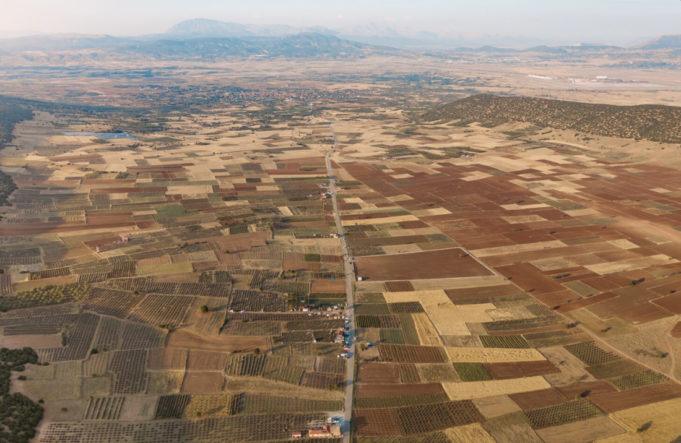
A property transaction in Texas may appear straightforward at first glance. The buyer is attracted to the land, while the seller is pleased with the offer. This could involve a modest house, a barn, a stock tank, a gravel road, and a few aging fence lines in need of repair. However, when the title work is completed, a single outdated clause concerning mineral rights can significantly alter the terms of the deal.
Disputes over such matters are not always contentious; often, they stem from misunderstandings. The seller might have assumed that the sale included all rights to the land, just as the buyer did. Yet, the paperwork may reveal that mineral rights were retained by a previous owner long ago or divided in a manner that was never fully clarified at the outset.
In Texas, the implications of mineral ownership are substantial. While the surface of the land may seem tranquil, the underlying records can tell a different story.
The Complexity Beneath the Surface
Most prospective buyers focus on the visible aspects of a property first. They assess the house, the driveway, the pastures, the trees, the barn, the water supply, and the distance to town. In Fort Worth, considerations may also extend to traffic patterns, school districts, future road development, and the potential for nearby land to be developed.
Mineral rights, however, are less tangible. They are absent from listing photos and are not evident during property tours, yet they can significantly impact the value and terms of a sale. In Texas, it is common for the surface rights and mineral rights to be owned by different parties. A family might possess the land, but not necessarily the minerals beneath it, a division often resulting from an old deed, a sale, inheritance, or a reservation made decades ago.
This is where transactions can begin to stall. Buyers seek clarity on what is included in the sale, while sellers consult their records, only to discover that the answer is more complicated than anticipated.
Fort Worth’s Historical Context
Fort Worth is no stranger to these complexities. The Barnett Shale era brought with it a flurry of gas leases, royalty payments, drilling regulations, community meetings, and numerous debates regarding nearby drilling activities. Conversations about wells took place in both city meetings and family discussions.
Even today, old references to mineral rights may linger in property records. A plot of land might not host a drilling rig, nor exhibit any signs of extraction activities, yet the historical context remains embedded within the deed.
This is why inquiries related to mineral ownership frequently emerge during real estate transactions. A buyer may be eyeing a parcel of land near a burgeoning road, while a seller may be considering a family property. In the background, the title company might be uncovering a much older narrative.
For some property owners, the decision to sell land raises additional questions regarding mineral rights. They may begin researching the sale of mineral rights in Texas before listing their property or resolving familial issues, not necessarily with the intent to sell, but to better understand what they possess.
Challenges Arising from Old Documentation
Issues surrounding mineral rights often originate from mundane sources: a deed, a probate file, a lease agreement, or an old folder in a closet. A courthouse record might not align with the family’s longstanding beliefs about ownership.
One document could indicate that a previous owner retained a portion of the mineral rights. Another might show that a lease was signed years prior, while a probate file may be incomplete. One family member could recall receiving royalty checks, while another insists that no payments have been made in years.
None of these discrepancies render the deal unviable. Instead, they simply necessitate further investigation. The title company may require additional documentation, the buyer may seek clearer language, and the seller may need to contact relatives, sift through boxes, or seek assistance with interpreting outdated records.
This type of delay can shift the atmosphere of the transaction. A buyer who was initially ready to proceed may find themselves in a state of limbo, while a seller who anticipated a smooth closing may feel increasingly frustrated. The land itself remains unchanged, but the transaction now feels precarious.
The Impact on Pricing Discussions
Negotiations regarding price can become complicated due to differing perspectives on the property’s value. Buyers typically focus on the immediate benefits: the house, road access, pasture, barn, water, and overall location.
Sellers, while considering these factors, may also take into account any drilling activity in the vicinity, previous lease agreements, or potential royalties from underground resources. This divergence can create a disconnect; where the buyer sees land, the seller envisions land with potential mineral value. If mineral rights are excluded from the sale or their ownership remains unclear, the perceived value of the property can become tenuous.
A fundamental understanding of mineral rights valuation can clarify why the acreage alone does not provide the complete picture. Factors such as location, lease conditions, production history, adjacent activity, and clear records all play a crucial role.
Retaining Mineral Rights is Not Unusual
It is not uncommon in Texas for sellers to choose to retain mineral rights while selling the surface land. This arrangement can be successful if clearly communicated from the beginning.
The complications arise when buyers discover this information too late in the process. They may still wish to proceed with the purchase but will likely reassess the price or request modifications to the contract. Additional time may be required for contemplation.
This scenario frequently occurs with rural properties, ranchlands, and older family estates. Buyers are eager to understand what is included in the sale, from water and access to buildings and fencing. If the seller intends to retain mineral rights, this detail should not be obscured in the fine print.
Proactive Communication is Key
Mineral ownership issues need not derail a property transaction in Texas; they simply require discussion before parties become exhausted, pressed for time, or awaiting a closing date.
Transactions that proceed smoothly tend to involve fewer uncertainties. Sellers have clarity regarding what is on offer, while buyers are aware of any potential omissions. Ideally, the title work aligns with the narrative presented.
Texas land is rich in history, visible in barns, gates, old roads, and fences. Yet, some historical aspects are buried in the legal language of deeds that often go unnoticed until a sale is underway. The most favorable transactions are those where both narratives—the visible and the written—are thoroughly examined early in the process.