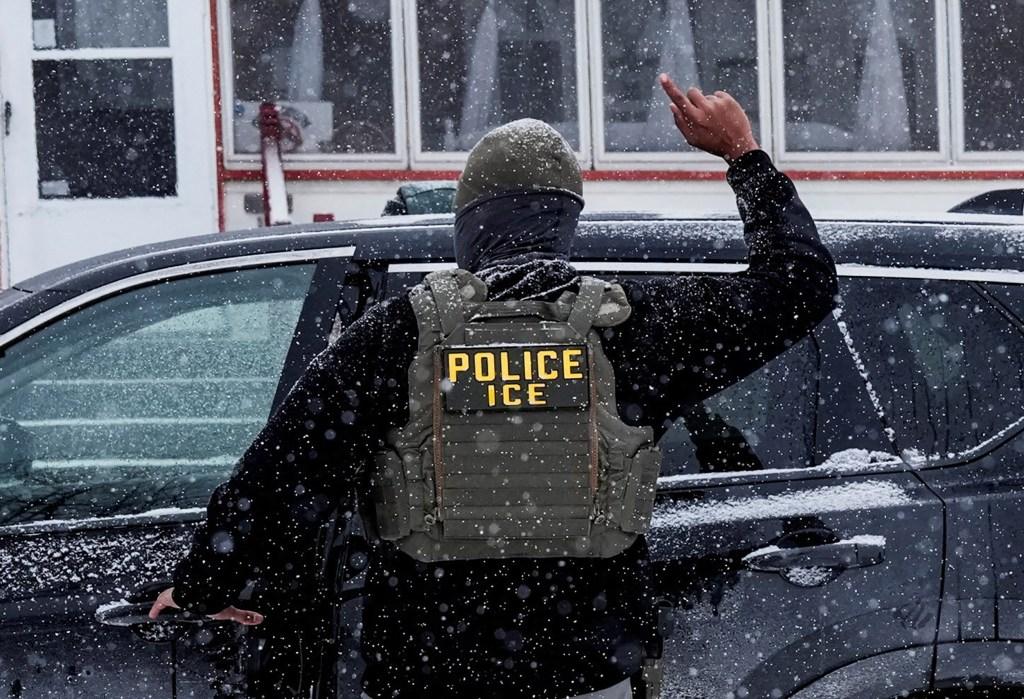








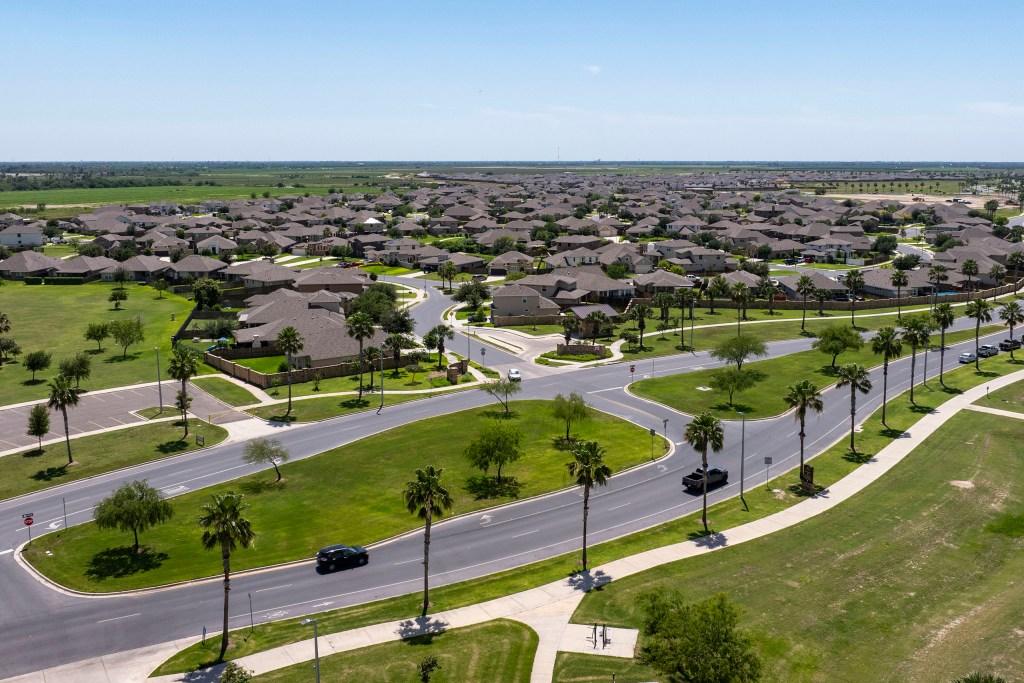
In mid-November, Mario Guerrero, the executive director of the South Texas Builders Association, was alerted to a troubling video in a group chat. It showed federal agents detaining workers at a construction site in a peaceful neighborhood of the Rio Grande Valley.
Guerrero has witnessed similar incidents for nearly a year, whether through videos or news reports of arrests and raids. This particular incident felt like the breaking point.
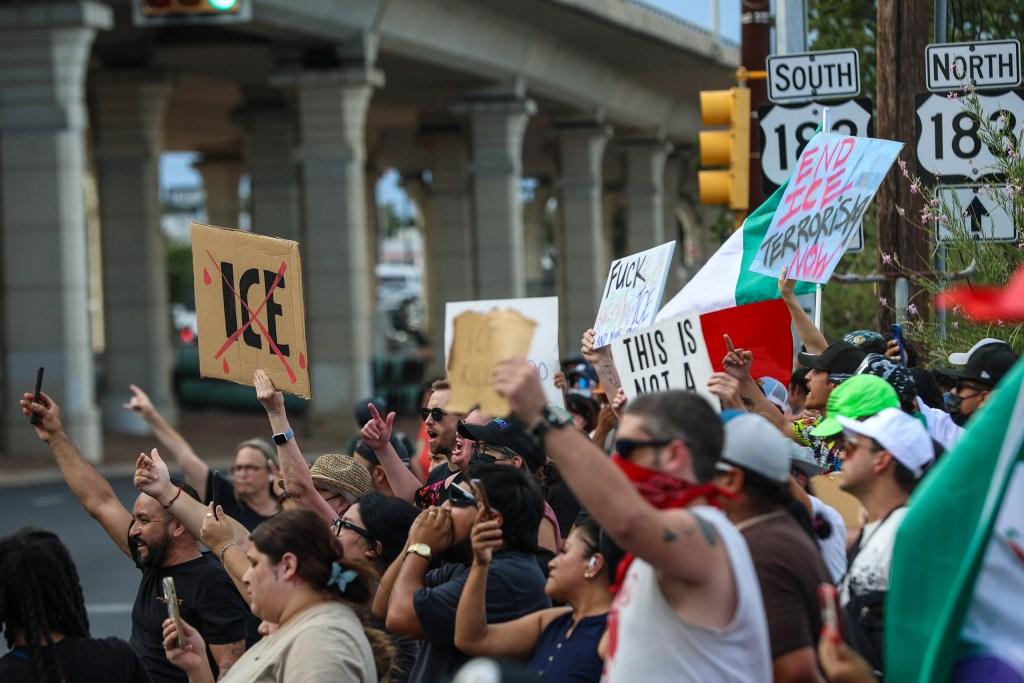
The ongoing raids have instilled fear among construction workers, leading many to refrain from going to work. Since the Trump administration took office, ICE agents have apprehended over 9,100 individuals in South Texas, nearly 20% of all such arrests in Texas, according to data obtained from ICE.
The labor shortage has caused construction projects to slow down, which economists warn might increase housing costs, despite Texas officials’ efforts to reduce these expenses.
Later that day, Guerrero posted a video on the association’s Facebook page, addressing the construction community, local officials, and the public. He began by stating, “I am an American citizen, and it’s crazy that we’re living in times where you actually have to state that.”
While he acknowledged the need for law enforcement, Guerrero expressed concern over ICE agents operating without arrest warrants, detaining individuals who possess proper authorization. “It’s what’s happening across the Rio Grande Valley at construction sites,” he noted.
He concluded the video by urging local leaders to join a meeting later that month to discuss the ongoing challenges facing the construction industry due to ICE raids. “Our people are hurting, our businesses are hurting. There’s no labor,” he said.
Guerrero’s honest depiction of the construction industry’s struggles resonated with the Rio Grande Valley community. Residents had sensed the negative impact on the construction sector but had yet to hear an official acknowledgment. Data from the Federal Reserve of Dallas indicates a 5% decline in construction jobs during the third quarter of this year, marking the largest dip in the region.
ICE did not respond to interview requests regarding the situation.
When the meeting day arrived, over 380 individuals gathered at the Brookhaven Event Center in Pharr, representing various sectors of construction and development. A few elected officials were also present.
During the hour-and-a-half meeting, industry representatives shared how their businesses had suffered as workers hesitated to show up at job sites for fear of ICE raids. They warned of the broader implications for the Rio Grande Valley economy if these arrests persisted.
“Business is down significantly,” stated Ronnie Cavazos, president of the South Texas Builders Association. “If we continue on this trajectory, we will see a lot of businesses fail.”
Isaac Smith, co-owner of Matt’s Building Materials, expressed his concerns, stating that his stores were struggling to move lumber. “If job sites are getting raided, at any level, the construction can’t continue,” he said, noting a double-digit decline in sales since the initiation of ICE operations.
“That takes an adverse effect on our cash flow and how we operate,” Smith added.
During the meeting, Cavazos emphasized the plight of the workers affected by the raids. “Let me tell you about immigrants in this country. Nobody believes in the American dream more than them,” he remarked, advocating for the dignity and rights of immigrant workers.
Jesus, a 42-year-old undocumented construction worker, shared his experience of living in fear of ICE operations. He has drastically reduced his work to ensure his family’s survival, earning about 60% less than he used to.
“We wish it would stop, but we don’t control these things,” Jesus lamented. “The government does.”
The shortage of construction workers could lead to delays in building homes, ultimately causing housing prices to rise. This isn’t the first time immigration policy changes have contributed to housing unaffordability.
Research indicates that a previous immigration enforcement program under the Obama administration resulted in labor shortages in construction, leading to fewer homes being built and a rise in prices. The Secure Communities program, which began under George W. Bush and expanded under Obama, led to over 300,000 deportations between 2008 and 2013, correlating with a 2% to 3% decrease in construction labor and a 5.7% decrease in new constructions.
Economist Dayin Zhang noted that, given the current pace of deportations, labor shortages in construction and housing could become more severe than during the Secure Communities period.
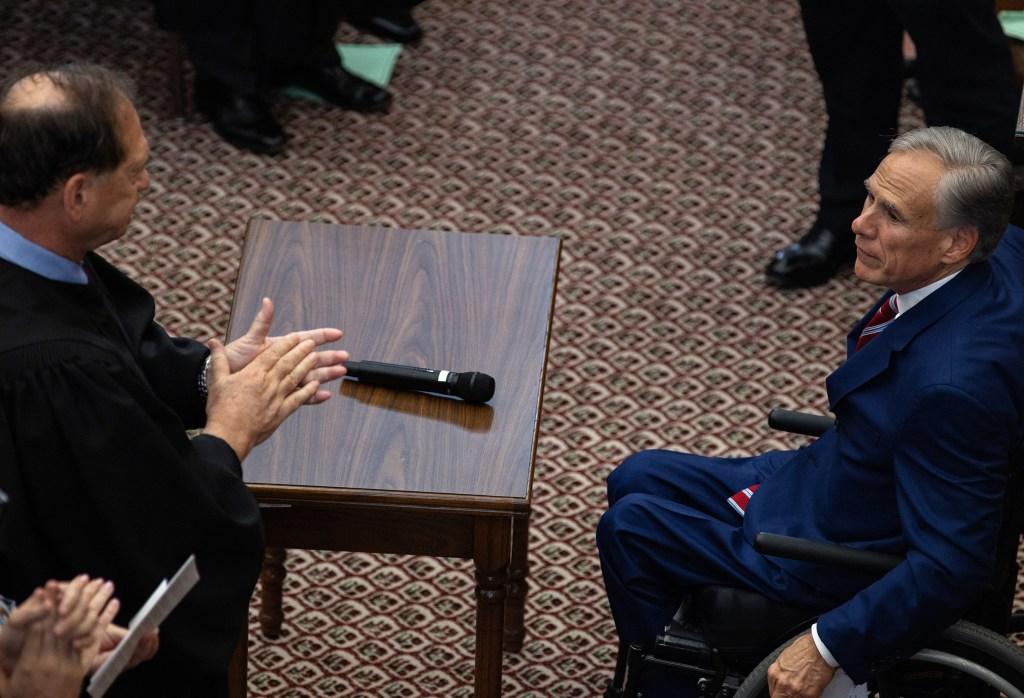
Since the meeting, Guerrero has attracted considerable attention, including from U.S. Representative Henry Cuellar, who expressed interest in addressing these issues at the congressional level. Guerrero also met privately with Governor Greg Abbott, presenting him with a letter and inviting him to a builders’ meeting in January.
While Guerrero received some backlash on social media, accusing him of wanting to exploit cheap labor, he firmly countered that entry-level laborers earn around $15 per hour.
Guerrero remains undeterred, planning to invite more elected officials to the upcoming meeting in January. He aims to raise awareness about the construction industry’s struggles, stating, “People maybe don’t understand the magnitude of what’s happening.”
“But that’s where we have to come together as human beings, and we need to be a little cognizant about the real situation that we’re facing,” he added.