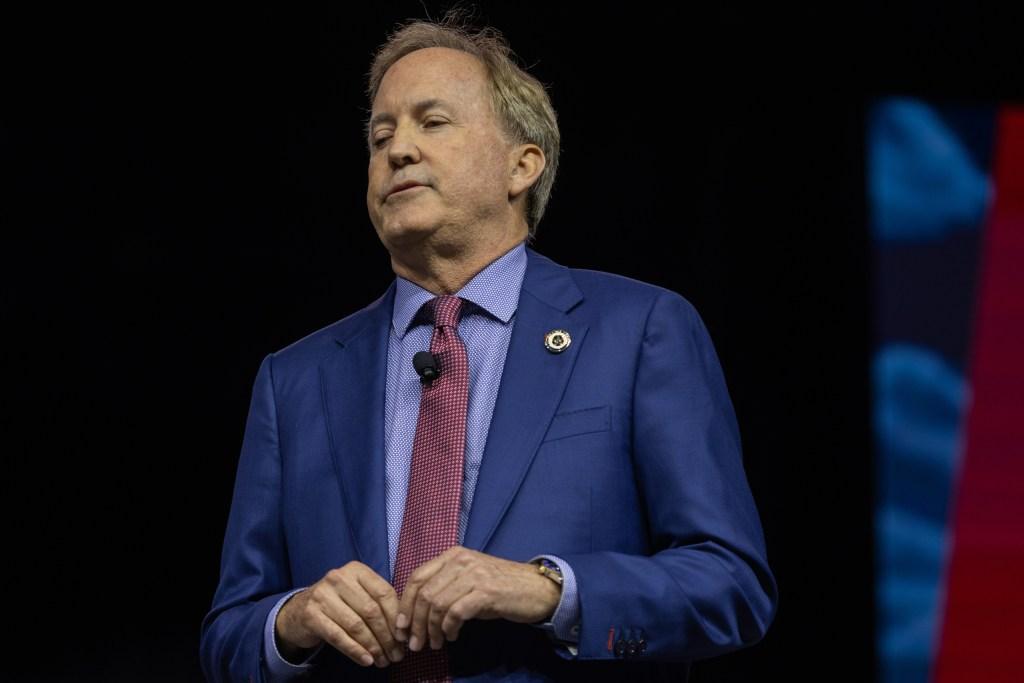









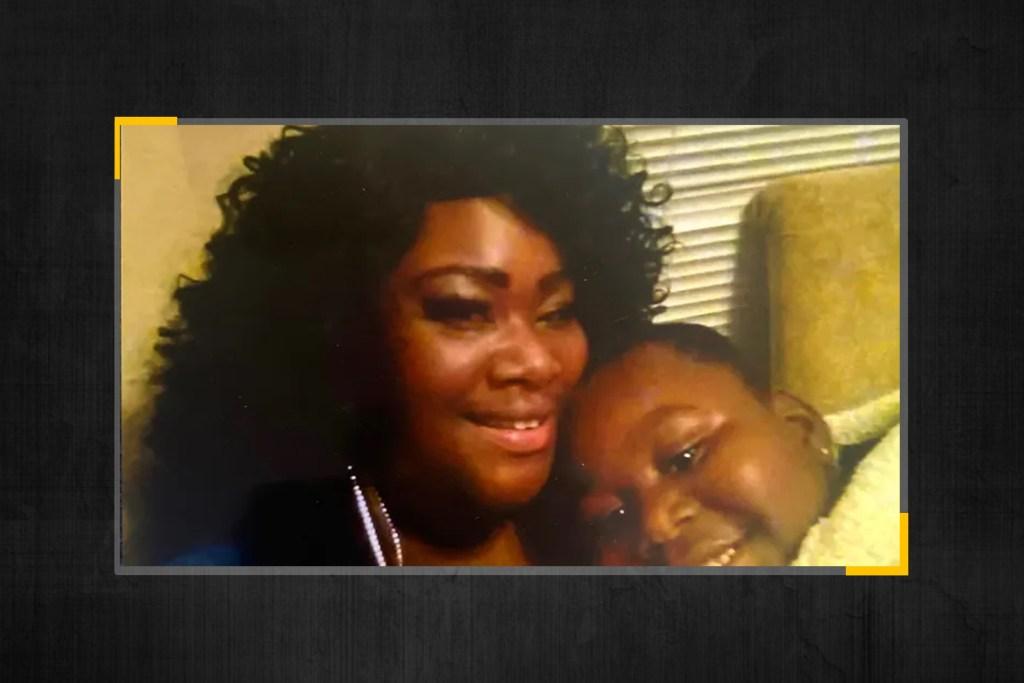
The family of Tierra Walker, a 37-year-old pregnant woman from San Antonio who succumbed to preeclampsia, has initiated a lawsuit claiming that Texas’ abortion laws contributed to her tragic death. Walker died at 20 weeks into her pregnancy, and the lawsuit targets Texas Attorney General Ken Paxton, who is also a U.S. Senate candidate, Texas Medical Board executive director Stephen Brint Carlton, the University of Texas Health Science Center in San Antonio, and the medical professionals involved in her care. The family’s legal action highlights that Paxton and Carlton are responsible for Walker’s death due to their enforcement of what they describe as a “merciless blanket prohibition on abortion.”
The lawsuit, filed in Bexar County, asserts, “Tierra Walker is dead and those responsible must be held accountable.” It accuses the defendants of deliberate indifference and medical mistreatment, which allegedly led to her untimely demise.
As of now, the Texas Attorney General’s office has not provided any comments regarding the lawsuit. Similarly, representatives from UT Health San Antonio and the Texas Medical Board have refrained from responding to inquiries about the case.
Throughout her pregnancy, Walker experienced several health complications, including seizures, blood clots, and multiple hypertensive crises, all indicative of preeclampsia, a severe condition characterized by high blood pressure during pregnancy. Despite her deteriorating health, Walker sought an abortion but was reportedly denied, with medical personnel assuring her that “your baby is fine.” A ProPublica report indicates that as many as 90 medical professionals were consulted about her case prior to her death.
Texas’ abortion restrictions, which took effect in 2021, prohibit termination once a fetal heartbeat is detected, typically occurring early in pregnancy. Following the overturning of Roe v. Wade in 2022, Texas activated a trigger law designed to protect pregnant individuals from prosecution, permitting abortions only under very limited circumstances to save the mother’s life.
Since the implementation of these laws, numerous accounts have emerged of women in Texas facing difficulties in obtaining necessary medical interventions during problematic pregnancies. Many have been forced to seek abortions in other states, as highlighted in the family’s lawsuit, which was filed by Amplify Legal, an organization advocating against the medical repercussions of abortion bans.
The lawsuit contends that “too many pregnant Texans have already died preventable deaths,” emphasizing the lack of accountability for those responsible.
Walker’s relatives, including her teenage son, husband, and aunt, have filed the suit, drawing attention to the challenges faced by individuals seeking justice in light of the abortion ban in Texas. They note that federal civil rights laws prevent states from infringing upon a person’s fundamental right to life. Although the Texas Supreme Court has suggested that those denied life-saving abortion care should pursue malpractice claims against their doctors, the Texas Torts Claims Act restricts malpractice liability for public hospitals to very specific situations, creating significant barriers for families of victims.
In the aftermath of Walker’s death, the Texas Legislature enacted Senate Bill 31, which aims to clarify that pregnant women can receive life-saving treatments without the necessity of being in an “imminent” medical crisis. It stipulates that doctors can only face charges if it can be proven that “no reasonable doctor” would have made the same decision. Additionally, the law mandates the Texas Medical Board to provide training for healthcare professionals, finalized in early 2026.
However, Molly Duane, one of the attorneys representing Walker’s family, expressed skepticism about the effectiveness of SB 31 in preventing similar tragedies. “I would love if the Texas Legislature would actually take their responsibility here seriously and get rid of the laws that are causing so many deaths,” she remarked, indicating a lack of confidence in the political climate to bring about meaningful change.
According to a 2024 opinion from the Texas Supreme Court, the state’s abortion regulations do permit procedures when the mother’s life is at risk and are deemed constitutional in safeguarding patient health. Duane criticized SB 31 for merely reiterating the court’s conclusions.
Michelle Maloney, another attorney representing the Walker family, noted that in her experience, medical professionals often recount discussions about their inability to provide abortions, but these conversations typically go undocumented in patient records. “It’s almost become a ‘Do not put anything in writing’ culture,” she stated, highlighting a pervasive fear among providers that affects patient care.
This lawsuit arrives shortly after the Texas maternal mortality review committee announced a delay in its biennial report on maternal deaths, which was expected to evaluate the impact of the state’s near-total abortion ban. The report, now slated for release in December, will be the first since the ban was enacted but is anticipated to be incomplete due to exclusions related to the COVID-19 pandemic.
Walker, who identified as a Black woman, was part of a demographic that faces significantly higher risks during childbirth in Texas. Statistics reveal that Black women in the state experience over 2.5 times the rate of pregnancy-related deaths compared to their white or Hispanic counterparts.
LaTanya Walker, Tierra’s aunt, emphasized the lawsuit’s goal of achieving justice for her niece, whom she described as the family’s cornerstone. “I wouldn’t want this to happen to anybody else,” she stated during a press conference.