









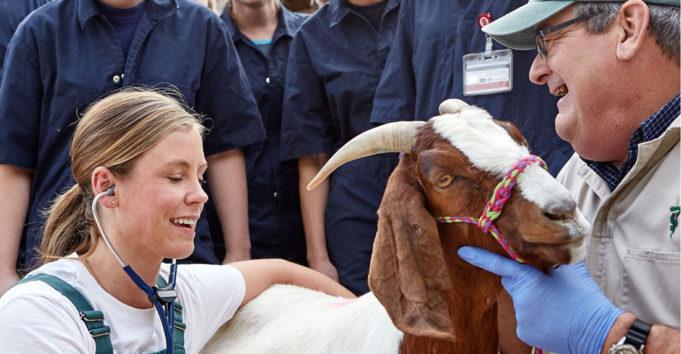
Veterinary medicine is often thought of as a field dedicated solely to the care of pets, yet its impact on community life is far-reaching. Veterinarians play a crucial role in safeguarding animal health, promoting responsible pet ownership, and enhancing public health in ways that may not always be apparent.
For students passionate about animal welfare and seeking a career that serves a larger purpose, veterinary medicine offers numerous avenues for making a positive difference. The profession merges scientific knowledge, hands-on skills, and personal interactions, creating pathways to affect both individual lives and community well-being.
Understanding the Expansive Role of Veterinarians
Veterinarians operate in diverse settings, and their specific duties vary based on their area of specialization. A veterinarian focused on companion animals may primarily treat household pets, while others might engage with livestock, wildlife, research initiatives, or public health sectors.
Animal shelters often depend on veterinarians to care for injured animals and address health issues prior to adoption. Additionally, government agencies may employ veterinary professionals to monitor diseases and promote animal health, underscoring the need for prospective students to broaden their perspective beyond the conventional image of a local veterinary office.
Ensuring the Health of Companion Animals
One of the most immediate ways that veterinarians benefit their communities is by ensuring the health of companion animals. Routine check-ups can detect potential health issues before they escalate. Veterinarians also administer vaccinations, offer parasite prevention strategies, give nutritional advice, and treat various illnesses and injuries.
Education plays a vital role in this process. Pet owners may be unaware of which symptoms warrant veterinary attention or how changes in diet and lifestyle can impact their pets’ health. By providing clear and accessible guidance, veterinarians empower pet owners to make informed choices and prevent avoidable health issues.
Advocating for Animal Welfare
Veterinarians are essential advocates for vulnerable animals, particularly those in shelters and rescue organizations that care for abandoned, neglected, or injured pets. They offer medical treatment, evaluate health conditions, and determine the necessary care for animals awaiting adoption.
Furthermore, their expertise bolsters broader animal welfare initiatives. Collaborating with shelters, community groups, and pet owners, veterinarians can foster responsible pet ownership and enhance public understanding of the commitments associated with caring for animals.
Linking Animal Health to Public Health
The relationship between animal health and human health is intricate, with certain diseases capable of transferring between species. This interconnectedness highlights the importance of disease prevention and monitoring within the community.
Veterinarians are trained to identify potential disease risks and provide preventive advice. Some veterinarians focus directly on public health, engaging in activities such as disease surveillance and food safety initiatives. This aspect of their work illustrates how veterinary medicine can influence health outcomes that extend beyond individual animal care.
Encouraging Responsible Pet Care
Veterinarians invest considerable time communicating with pet owners, which presents a unique opportunity to enhance community knowledge about responsible pet ownership. Discussions may encompass nutrition, exercise, vaccinations, parasite control, and behavioral health.
Providing practical, understandable advice increases the likelihood that owners will adopt recommended practices in their daily routines. Over time, this educational effort can significantly reduce preventable health and welfare issues. A veterinarian’s role extends beyond mere treatment; they also educate owners on maintaining their pets’ health between visits.
Addressing Access to Veterinary Care
For some families, accessing veterinary care can be challenging, especially when unexpected medical costs arise. Veterinarians can participate in community outreach initiatives, shelters, and animal welfare organizations to help alleviate these barriers.
While these efforts do not resolve the overarching issue of access to care, they provide crucial support within specific communities. Additionally, veterinary professionals may assist organizations in creating educational programs that offer practical insights into preventive care for pet owners.
Ensuring Food Safety and Supporting Agriculture
The field of veterinary medicine is also integral to agriculture and food production. Veterinarians who specialize in livestock health assist farmers in maintaining the well-being of their herds, preventing diseases, and managing conditions that affect animal welfare. Their contributions ultimately enhance food safety and responsible production practices.
This facet of veterinary work often goes unnoticed by those primarily familiar with veterinary care for domestic animals. However, agricultural veterinary practices have significant implications for the overall food system and animal populations.
Community Health Through Disease Prevention
Veterinarians play a crucial role in disease prevention efforts. They may engage in vaccination campaigns, disease monitoring, and biosecurity measures. Early detection of specific animal diseases allows for timely interventions to prevent wider outbreaks.
Many veterinary careers involve collaboration with public health agencies and other healthcare professionals, demonstrating how veterinary medicine aligns with broader community health objectives.
Developing Skills for Community Service
Becoming a veterinarian entails more than mastering animal diagnosis and treatment. Students cultivate essential communication skills to effectively convey medical information to pet owners. Additionally, they learn critical thinking, observational skills, and problem-solving techniques, as each patient may present unique challenges.
Teamwork is also vital in veterinary practices, where veterinarians, technicians, assistants, and administrative staff must collaborate effectively. These competencies enhance communication with both colleagues and the communities they serve.
Navigating the Educational Journey
The path to becoming a veterinarian involves extensive education and training. Aspiring veterinarians typically begin with undergraduate studies that include relevant science courses before applying to veterinary school.
Veterinary programs integrate classroom learning with laboratory and clinical training, covering subjects such as anatomy, physiology, pharmacology, and pathology. Students apply this knowledge in supervised clinical environments.
Financial considerations are also significant; tuition represents just one aspect of the overall cost. Students must account for housing, textbooks, equipment, and daily expenses. Scholarships, grants, and personal savings can help, while some may explore private veterinary school loans, keeping in mind the importance of understanding interest rates and repayment terms.
Selecting a Career Path that Aligns with Your Aspirations
Veterinary medicine encompasses various specializations, prompting students to reflect on which aspects of community impact resonate most with them. Those who enjoy interacting with families may gravitate towards companion animal medicine, while others might prefer shelter medicine, wildlife conservation, research, or public health.
Meaningful veterinary work is not defined by a singular role; various positions cater to different community needs, and students can explore these options through internships, volunteer work, and job shadowing experiences.
Building a Lasting Career with Community Impact
Community influence often evolves through consistent efforts rather than isolated projects. A veterinarian who educates pet owners, supports local shelters, engages in public health work, or aids in disease prevention is actively contributing to the community’s health.
Ongoing education is equally crucial in veterinary medicine, as advancements in research, treatments, technologies, and health concerns continuously emerge. Staying informed enables professionals to enhance the care they provide and the guidance they offer.
Conclusion
A career in veterinary medicine presents an opportunity to serve animals while simultaneously supporting the communities that surround them. The profession encompasses critical areas such as animal welfare, public health, agriculture, disease prevention, and community education.
For students contemplating this career path, the initial step involves recognizing the diverse roles that veterinarians can fulfill. Whether in a local clinic or a public health setting, veterinary professionals can leverage their education and skills to tackle challenges that extend far beyond the confines of the examination room.