








Nearly a year has passed since devastating flash floods swept through the Texas Hill Country, leaving communities across Central Texas to cope with the aftermath of the deadliest inland flood in the state’s modern history.
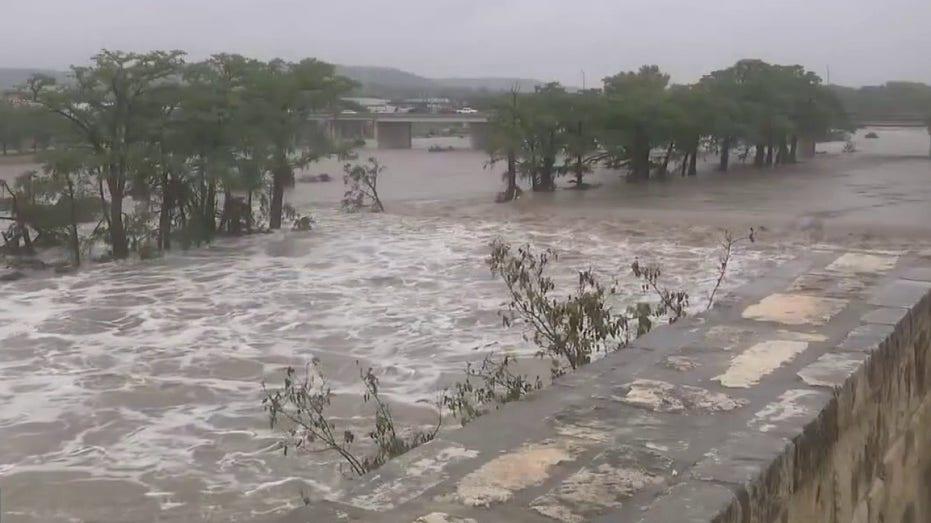
On July 4, 2025, a series of stalled thunderstorms unleashed up to 20 inches of rain on the region, which was already grappling with severe drought conditions. The parched soil was unable to absorb the sudden deluge, transforming local rivers into ferocious torrents that claimed at least 136 lives across the area.
“We know we get rain. We know the river rises, but nobody saw this coming,” remarked Kerr County Judge Rob Kelly shortly after the storm struck. Kerr County bore the brunt of the disaster, with over 100 confirmed fatalities.
The most tragic incident occurred at Camp Mystic, a Christian summer camp for girls, where the Guadalupe River surged dramatically. In a mere 45 minutes, waters rose 26 feet, ultimately cresting at a record 37.5 feet. This tragic surge resulted in the loss of 25 campers, two teenage counselors, and the camp’s long-time director, Dick Eastland.
In response to the calamity, Governor Greg Abbott issued a federal disaster declaration, highlighting the severity of the situation by stating, “There are far more fatalities than there were in Hurricane Harvey. That’s how catastrophic this is.”
A comprehensive state legislative report released in June revealed significant issues during the crisis, including critical delays in evacuation, inadequate emergency preparedness plans, and an overwhelmed local infrastructure. At the height of the emergency, only two 911 dispatchers were on duty in Kerr County, handling 435 emergency calls within just six hours.
In April, the operators of Camp Mystic withdrew their application for a 2026 operating license, effectively canceling plans to reopen for the camp’s 100th anniversary amidst widespread public outrage over the tragedy.
Families who lost loved ones are now facing additional challenges as Camp Mystic LLC recently filed for Chapter 11 bankruptcy in a Houston federal court. This filing lists liabilities between $10 million and $50 million, automatically pausing ongoing wrongful death and negligence lawsuits brought forth by victims’ families.
While Kerr County was the epicenter of the disaster, the financial and structural impacts were felt throughout Central Texas. In Travis County alone, damages have exceeded $28 million, with first responders conducting 66 lifesaving rescues along 30 miles of affected waterways. Nearly 300 damage reports for homes and businesses were filed across Leander, Jonestown, and Lago Vista.
“We’ve had people that were in the process of evacuating their homes that were swept away by floodwaters,” Travis County Emergency Services District 1 Chief Donnie Norman stated. “We’ve had homes and mobile homes that have been swept away.”
In the wake of this tragedy, the Texas Legislature has allocated funds for advanced early-warning flood gauges to be installed along key Hill Country waterways, aimed at improving response times during future weather emergencies. Local officials in the affected areas have also waived housing permit fees to expedite the reconstruction process.
For the families who endured the loss of loved ones, homes, and livelihoods, the journey toward rebuilding their lives remains a challenging and distant prospect.