








The Impact of Immigration on Texas Culture
Texas, known for its vibrant landscapes, rugged heritage, and larger-than-life personality, is a unique tapestry interwoven with threads from diverse cultures, thanks in large part to its rich history of immigration. Over centuries, waves of immigrants have helped shape the state’s cultural, social, and economic landscape, contributing to the identity of Texas as we know it today. From native tribes to Spanish explorers, German settlers to contemporary Latin American migrants, each group has left an indelible mark on the state’s cultural fabric.
As one of the largest states in the U.S. with a landmass resembling that of several countries combined, Texas operates as a cultural crossroads. This article explores the various dimensions of immigration’s impact on Texas culture, examining how these influences manifest in language, food, traditions, and music, while also addressing the complexities and challenges that arise from such diversity.
Historical Context of Immigration in Texas
The history of immigration in Texas is as vast as its landscape. The region known as Texas was originally inhabited by indigenous tribes long before European settlers arrived. Spanish explorers were the first outsiders in the 16th century, and their arrival marked the beginning of significant cultural shifts.
Throughout the 19th and 20th centuries, significant movements of immigrants from Europe, particularly Germans and Czechs, arrived in Texas searching for opportunities and land. These groups settled primarily in central Texas, establishing communities that continue to celebrate their heritage through festivals and cultural events. For instance, the annual Wurstfest in New Braunfels celebrates German sausage and beer, drawing visitors from across the state.
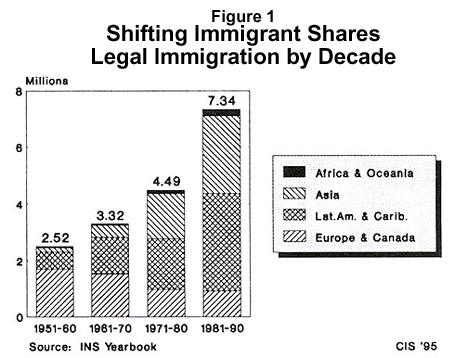
In recent decades, the arrival of immigrants from Mexico, Central America, and other parts of the world has dramatically transformed Texas’ cultural landscape. This transformation is evident not just in the demographics, but also in the contributions these populations have made in shaping modern Texas culture.
Language and Communication
One of the most visible impacts of immigration on Texas culture is the linguistic diversity that exists throughout the state. The presence of a significant Spanish-speaking population has led to a bilingual environment that is both enriching and challenging. Spanish is not only spoken in homes but also in schools, businesses, and government institutions. This bilingualism fosters a unique cultural exchange, producing a blend of English and Spanish known as “Spanglish,” which incorporates elements from both languages and reflects the everyday realities of many Texans.
Moreover, linguistic influences extend beyond just English and Spanish. Many immigrant communities bring their own languages, such as Vietnamese, Chinese, and Arabic, creating a multilingual society that acknowledges the contributions of diverse groups. This linguistic variety enhances the cultural richness of Texas, providing opportunities for dialogue and understanding among differing communities.
However, there are challenges associated with this linguistic diversity. Efforts to maintain cultural identity among immigrant groups can lead to tensions with English-speaking populations. Issues surrounding education access for non-English speakers and the push for bilingual programs often spark debate, reflecting broader issues of integration and assimilation.
Culinary Influences on Texas Culture
The culinary scene in Texas is a vibrant reflection of its diverse population, with food serving as a central element of cultural expression. Each immigrant group has contributed distinct flavors and cooking styles, creating a culinary landscape that ranges from traditional Texan barbecue to hearty Mexican dishes and Asian fusion cuisine. This blending of flavors has led to unique culinary experiences that exemplify the state’s multicultural identity.
Tex-Mex cuisine, in particular, stands out as an emblem of culinary fusion, combining traditional Mexican recipes with Texas-style cooking, resulting in iconic dishes like tacos, enchiladas, and nachos that have become beloved staples. Food festivals celebrating this fusion, such as the Houston Livestock Show and Rodeo’s diverse culinary offerings, highlight the importance of food as a cultural connector.
In addition to Tex-Mex, other culinary influences include Vietnamese pho, Indian curries, and Mediterranean dishes that have gained popularity in urban areas, showcasing the state’s growing diversity. Farmers’ markets and local food trucks frequently feature a mix of international cuisines, offering a taste of the world within Texas. Each bite reflects the historical and ongoing impact of immigration on the state’s identity.
Traditions and Celebrations
The rich tapestry of Texas culture is woven with a multitude of traditions and celebrations that stem from the state’s immigrant populations. Each cultural group brings its own historical celebrations, contributing to a diverse calendar of events. The Day of the Dead, celebrated predominantly by the Mexican community, emphasizes remembering deceased loved ones and is marked by vibrant altars, family gatherings, and community festivities.
Other significant festivals include the Chinese New Year, which celebrates Asian heritage in cities like Houston and Dallas, showcasing traditional performances, culinary delights, and cultural exhibitions. Additionally, the annual San Antonio Fiesta celebrates the city’s multicultural background and honors the heroes of the Alamo, blending parades, food, and music into a vibrant tapestry of Texan culture.
These events not only foster a sense of pride and continuity among communities but also offer opportunities for intercultural exchanges. Non-immigrant Texans are welcomed to participate, experience, and understand different cultural practices, enriching the broader cultural milieu of the state.
The Role of Music in Shaping Cultural Identity
Music serves as a powerful medium for cultural expression, and Texas is no exception. The state is home to a unique confluence of musical genres, with immigration playing a key role in shaping its sound. From the rhythmic strains of conjunto and mariachi to the twang of country and the soul of blues, the musical landscape is a reflection of its diverse populations.
In recent years, the popularity of Texan music genres such as Tejano and Norteño has surged, often blending traditional Mexican sounds with contemporary elements. Artists like Selena Quintanilla and Los Tigres del Norte have garnered national acclaim, helping to elevate these styles and reach wider audiences. Their success highlights the influence of immigrant narratives on mainstream American culture, demonstrating the power of music as a unifying force.
Musical festivals, such as South by Southwest (SXSW) in Austin, celebrate this diversity, attracting musicians from various genres and backgrounds to showcase their talents. These events foster a sense of community, bringing together artists and fans to appreciate the rich cultural heritage that exists within Texas.
Challenges of Cultural Integration
While the positive impacts of immigration on Texas culture are profound, challenges also arise from this complex dynamic. Issues of integration and assimilation can lead to tensions between established communities and newcomers. For instance, debates around immigration policy and border security often create fissures within the population, highlighting disparities in perspectives on the impact of immigration on local economies and social cohesion.
Economic disparities can also perpetuate segregation, as immigrant communities may find themselves concentrated in specific neighborhoods with limited access to resources. Language barriers, discrimination, and differing cultural practices can further complicate relationships between diverse groups. Support programs aimed at bridging these gaps often focus on education, language acquisition, and community engagement, striving to create more inclusive environments.
Despite these challenges, grassroots movements promoting understanding and collaboration among diverse communities continue to emerge. Organizations dedicated to cultural exchanges and community service often play a crucial role in addressing divisions, providing platforms for dialogue, and fostering solidarity throughout Texas.
The Future of Texas Culture in an Immigrant Nation
Looking ahead, the future of Texas culture is poised for even more evolution, shaped significantly by continued immigration. As global migration patterns change, Texas will likely see an influx of new cultures and communities, further enriching the state’s already diverse cultural landscape. The ability of Texas to embrace and celebrate this diversity will be critical to its social and economic well-being.
Furthermore, as younger generations of immigrant families integrate into the fabric of Texas society, they are likely to blend their heritage with local customs, resulting in a new cultural renaissance. Children who grow up in bi- or multilingual households may increasingly embrace hybrid identities that reflect their diverse backgrounds, leading to novel expressions of culture, art, and community.
The ongoing dialogue about the importance of inclusion and cultural appreciation will be integral to shaping Texas culture. By fostering a society that values diversity and encourages collaboration among its various communities, Texas can continue to thrive as a vibrant, culturally rich state.