








The Influence of Texas Culture in Cinema
The cinematic landscape of America cannot be fully understood without acknowledging the profound influence of Texas culture. From the sprawling landscapes of the Lone Star State to the distinct musical styles and rich traditions, the essence of Texas permeates countless films, presenting a unique narrative that resonates across the country and beyond. Texas has been the backdrop for numerous stories, offering filmmakers a rich tapestry of history, culture, and character to explore.
Hollywood often looks to Texas not just for its landscapes, but for what it represents—the grit, resilience, and unmistakable spirit of the people. Whether it is the portrayal of the infamous Texas Rangers, the ****mythic notions of cowboys, or the representation of Southern hospitality, Texas culture has played a pivotal role in shaping narratives that celebrate both individualism and community. This article delves into the multifaceted relationship between Texas culture and cinema, examining key films and cultural markers that have indelibly altered the cinematic world.
Historical Context of Texas in Film
The depiction of Texas in cinema traces back to the early 20th century, gaining momentum in the 1920s and 1930s with the advent of talking pictures. The Western genre, quintessentially American, drew heavily on the ruggedness of Texas landscapes, crafting archetypes that many viewers still recognize today. Films like “The Great Train Robbery” (1903) set the stage for storytelling that would intertwine with the history of Texas and its lore.
As the genre evolved, so did the stories being told. The 1950s marked a turning point, with films like “Giant” (1956) showcasing Texas’s vastness and its impact on America’s socio-economic fabric. This epic drama, starring James Dean and Elizabeth Taylor, painted a picture of a changing Texas, one that was grappling with issues of race, class, and the burgeoning oil industry. The film’s sweeping vistas served as a visual representation of the Texas identity, intertwining personal stories with the larger narrative of American life.
Texas’s portrayal in cinema often mirrored the real-life struggles of its inhabitants, particularly in the realm of socioeconomic change. The rise of the oil industry not only shaped the landscape but also the ambitions and dreams of its people. This clash between tradition and modernity became a recurring theme in films that attempted to capture the heart and soul of Texas. Over the decades, filmmakers have returned to this state not just for its scenery but for its rich stories and cultural narratives.
The Western Genre and its Texas Roots
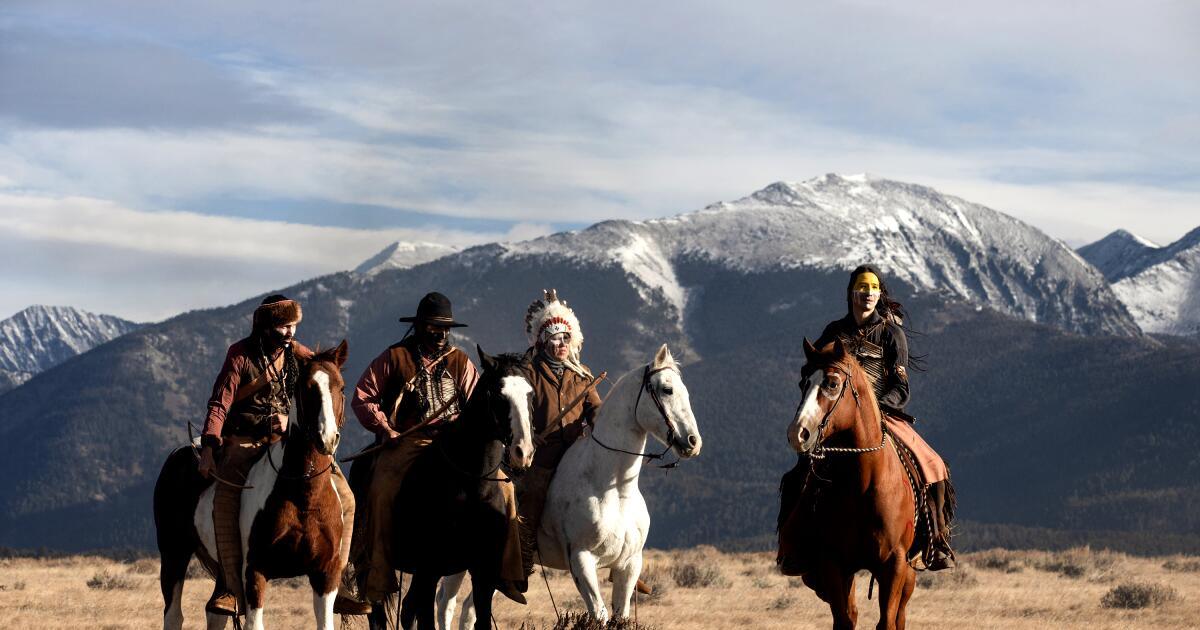
The Western genre is perhaps the most iconic representation of Texas culture in cinema. Rooted in the state’s history of cowboys and outlaws, the genre has flourished, creating memorable characters and compelling narratives that reflect the complexities of American life. Classic films like “Stagecoach” (1939) and “Shane” (1953) shaped the early Western aesthetic, focusing on morality, individualism, and the struggle between good and evil.
However, the Western genre isn’t just about gunfights and cattle drives. It’s also about the values that define Texas: honor, loyalty, and a sense of justice. Films like “No Country for Old Men” (2007) and “Hell or High Water” (2016) illustrate the evolving nature of the Western, portraying more complex characters and moral dilemmas. Set against the backdrop of contemporary Texas, these films examine the implications of changing economic landscapes and the enduring spirit of Texans.
Moreover, the influence of the Western extends beyond the large screen; it has permeated the culture of Texas itself. Rodeos, country music, and Texas-style barbecues embody the ethos celebrated in these films, creating a cultural feedback loop between the cinematic portrayal of Texas and the lived experiences of its people. This symbiotic relationship strengthens the narrative of Texas, embedding it deeper into the heart of American culture.
The Role of Music in Texas Cinema
Music is an integral part of Texas culture, and its influence is unmistakable in cinema. Traditional genres like country, blues, and Tejano music have not only shaped the narrative of numerous films but also provided emotional depth, authenticity, and connection to the Texan identity. Movies like “The Last Picture Show” (1971) and “Crazy Heart” (2009) explicitly weave music into their narratives, showcasing Texas’s rich musical heritage.
In “The Last Picture Show,” the haunting melodies underscore the tale of small-town life in Texas, enhancing the sense of nostalgia and lost opportunities. Similarly, “Crazy Heart” revolves around a washed-up country singer, exploring themes of redemption and the consequences of fame against the backdrop of the Texas music scene. The films are not merely selected for their settings but for their representation of a culture that is passionate about its roots.
The music industry in Texas continues to thrive, and filmmakers recognize its influence, incorporating popular Texas musicians to help tell their stories. As a result, soundtracks featuring artists like Willie Nelson, Lyle Lovett, and Janis Joplin often accompany films set in Texas. This appeal resonates with audiences who see authentic Texan voices captivatingly represented on screen, further solidifying Texas’s cultural identity in the cinematic realm.
Modern Interpretations of Texas Culture
As the cinematic portrayal of Texas evolved, filmmakers began to tackle more contemporary issues that reflect the state’s changing demographics and social dynamics. The modern interpretation of Texas culture often transcends stereotypes of cowboys and oil tycoons, delving into the complexities of urban life, immigration, and the ongoing struggle for justice. Films like “Selena” (1997) and “The Three Burials of Melquiades Estrada” (2005) provide insights into the multicultural fabric that is increasingly defining Texas today.
“Selena,” based on the life of Tejano music star Selena Quintanilla, showcases the rich tapestry of Hispanic culture in Texas. It portrays the struggles and triumphs of a young woman navigating fame in a male-dominated industry while also highlighting the significance of cultural identity. This biopic not only brought awareness to Latina artists but also illustrated the powerful impact of Texas’s diverse communities on the broader American landscape.
Similarly, “The Three Burials of Melquiades Estrada” addresses complex themes surrounding immigration and humanity. Set in West Texas, the film portrays the journey of a man seeking justice for his friend’s death at the hands of border patrol agents. Through its somber narrative, the film challenges viewers to confront the consequences of border policies and human rights violations, urging empathy towards those who find themselves in the crosshairs of a politically charged environment.
Impact of Texas Filmmakers
The influence of Texas culture in cinema cannot be discussed without acknowledging the talented filmmakers who hail from the state. Directors like Richard Linklater, Terrence Malick, and Robert Rodriguez have each carved distinct paths in cinema, embodying elements of Texas culture through their storytelling. Their works reflect varied aspects of Texan life, illustrating how personal experiences can shape broader narratives.
Richard Linklater’s films, such as “Boyhood” (2014) and “Dazed and Confused” (1993), often explore themes of adolescence and growing up in Texas. His unique storytelling style and emphasis on character development capture the nuances of Texan culture and the complexities of youth in a distinctly Southern context. Similarly, Terrence Malick’s productions, like “The Tree of Life” (2011), often feature vast Texas landscapes, infusing them with philosophical reflections that resonate deeply with viewers.
Robert Rodriguez, known for films like “Desperado” (1995) and “Spy Kids” (2001), brings a different vibe, showcasing the intersection of Texan identity with elements of action and whimsy. His films often celebrate the culture through a lens of inventiveness and resourcefulness, echoing the spirit of Texan innovation. These filmmakers not only represent Texas but also influence a generation of storytellers, ensuring that the narratives originating from the Lone Star State continue to resonate with audiences nationwide.
Texas’s Role in Shaping National Identity
The portrayal of Texas culture in cinema goes beyond entertainment; it plays a critical role in shaping national identity. The narratives crafted in film have the power to influence perceptions, foster understanding, and encourage dialogue about the diverse experiences that define American life. The rugged individualism celebrated in Westerns contrasts against the collective spirit found in films showcasing Texas’s rich cultural melting pot, offering viewers a mosaic of what it means to be American.
Moreover, films often challenge prevailing stereotypes while reflecting the ongoing struggles of its residents. The varied experiences of Texans—whether urban or rural, ethnic or cultural—provide a narrative framework for exploring what it means to belong in a country as diverse as the United States. By addressing contemporary issues, filmmakers invite audiences to engage with the complexities of identity, social justice, and the American dream.
In a nation where Texas often symbolizes both strength and controversy, its cultural depictions in cinema facilitate a dialogue that fosters greater understanding. They invite audiences to experience the richness of the Texas narrative, challenging them to see beyond stereotypical representations and engage with the authentic voices that emerge from this vibrant state.
The influence of Texas culture in cinema remains undeniable, encapsulating the state’s spirit, struggles, and triumphs within the broader narrative of American life. Through the intersection of history, music, and diverse storytelling, Texas continues to inspire filmmakers and audiences alike, ensuring its cultural resonance persists for generations to come.