






The Role of Rivers in Texas Agriculture
Rivers have long been the lifeblood of Texas agriculture, weaving through the state’s vast landscapes, nurturing the soil, and supporting diverse ecosystems. The major rivers, such as the Rio Grande, Brazos, and Colorado, act as critical resources for irrigation, livestock management, and crop production. As climate patterns shift and population pressures increase, understanding the intricate relationship between Texas rivers and agriculture becomes even more vital for farmers, policymakers, and environmentalists alike.
With Texas being one of the largest agricultural producers in the United States, the reliance on rivers for agricultural success cannot be overstated. The state’s economy is deeply intertwined with agriculture, which contributes significantly to both local and national markets. In examining the manifold roles rivers play in the agricultural sector, one can appreciate the historical, ecological, and economic significance of these natural waterways.
The Historical Significance of Texas Rivers in Agriculture
The history of agriculture in Texas has been profoundly shaped by the presence of its rivers. From Native American tribes that relied on the flowing waters for fishing and irrigation to Spanish colonizers who introduced large-scale farming, these waterways have always been a focal point of agricultural activity. Early settlers quickly recognized the importance of water sources for sustaining crops and livestock.
Throughout the 19th and early 20th centuries, agricultural practices in Texas evolved, driven by both technological advancements and increasing demand for crops. The construction of dams and irrigation systems along major rivers facilitated the expansion of farming into arid regions, drastically altering the landscape of Texas agriculture. These developments enabled farmers to cultivate crops like cotton, corn, and wheat with greater efficiency and reliability. As a result, Texas emerged as a leader in agricultural production in the U.S.
Additionally, rivers played a vital role in the transportation of agricultural goods. Before the advent of modern highways and rail systems, farmers utilized rivers for shipping produce to markets. The connectivity provided by river transport allowed rural communities to thrive as they accessed broader markets and created a sustainable economic model grounded in agriculture.
The Ecological Importance of Rivers in Agriculture
Rivers are not only vital for irrigation and transport; they also serve as essential ecological assets. They create fertile floodplains that support diverse plant and animal species. Healthy ecosystems contribute to soil fertility, pest control, and the overall resilience of agricultural systems. The floodwaters that rivers bring can replenish soils with vital nutrients, thereby enhancing agricultural productivity.
Moreover, rivers provide crucial habitat for various wildlife species, which in turn promote biodiversity on agricultural lands. Farmers often benefit from the presence of pollinators, natural pest predators, and other beneficial organisms that thrive in riparian (riverbank) areas. By fostering these ecosystems, farmers can often reduce their dependence on synthetic fertilizers and pesticides, leading to more sustainable agricultural practices.
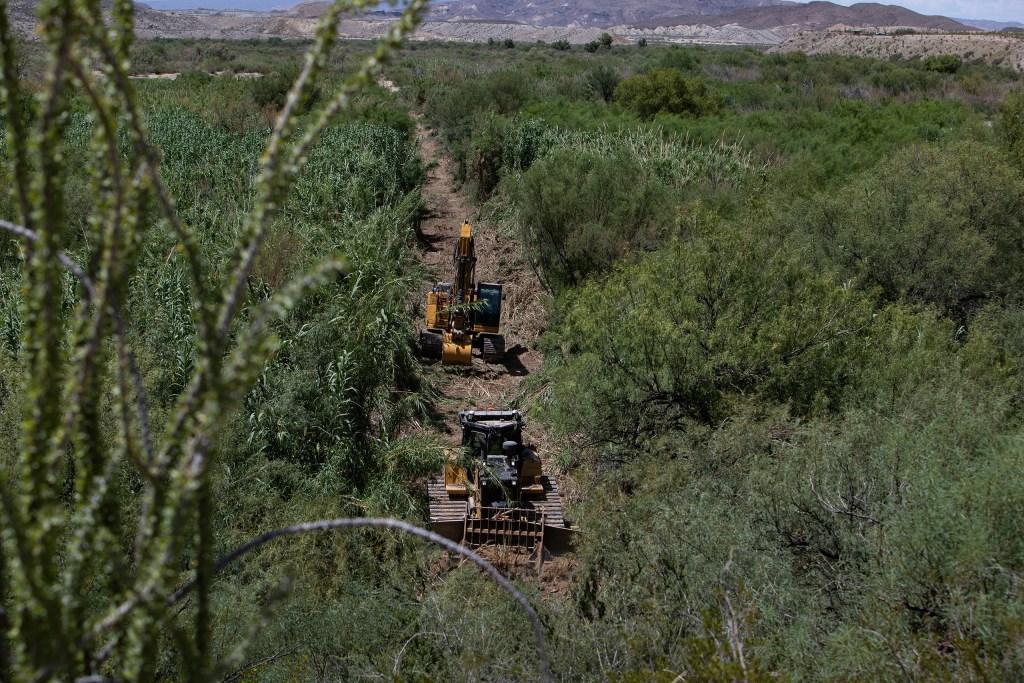
However, as agricultural practices have intensified, the ecological balance of rivers has been threatened. Over-extraction of water for irrigation, pollution from agricultural runoff, and encroachment from urbanization have put pressure on river ecosystems. It is imperative for farmers and environmentalists to work collaboratively in managing water resources and safeguarding the delicate ecosystems that rivers support.
Modern Agricultural Practices and River Management
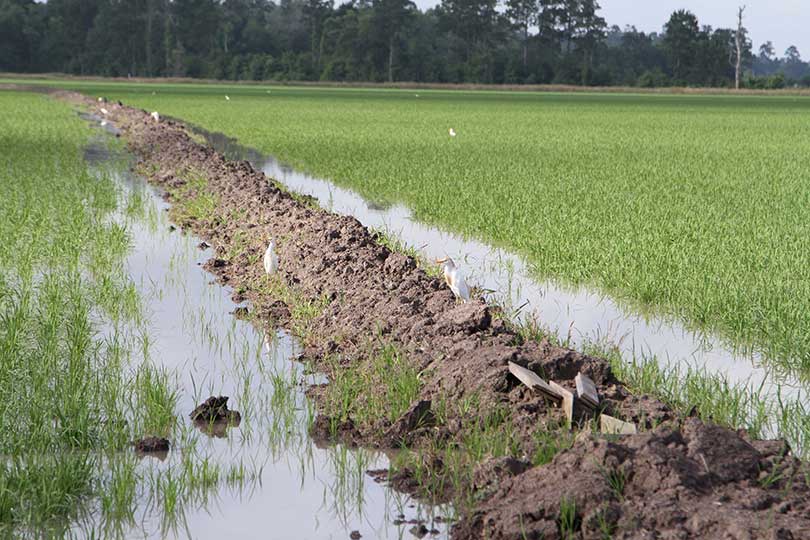
With the challenges of climate change and resource scarcity looming, Texas farmers are increasingly seeking innovative ways to manage water resources effectively. Advanced irrigation techniques such as drip and pivot irrigation systems have been deployed to maximize water efficiency. These technologies minimize water wastage and ensure that crops receive just the right amount of moisture.
Furthermore, farmers are turning to conservation practices that enhance water retention in soils while decreasing reliance on river water. Techniques such as cover cropping, mulching, and reduced tillage can help improve soil health and moisture retention. By implementing such practices, farmers are taking proactive steps to counter the effects of drought, erratic rainfall, and other climate-related challenges.
An increasing focus on water management is also leading farmers to reevaluate their water allocation methods. The allocation of water rights along Texas rivers can be contentious, often requiring negotiation and cooperation among farmers, municipalities, and environmental groups. Developing comprehensive water management policies that consider the needs of all stakeholders is crucial in ensuring a sustainable agricultural future for Texas.
Economic Impact of Rivers on Texas Agriculture
The agricultural economy of Texas is substantial, with the state’s rivers acting as economic engines that drive growth and development. The direct contributions of agriculture to the Texas economy amount to billions of dollars annually, with rivers playing a pivotal role in facilitating the movement of goods and services. Transportation routes along rivers allow farmers to reach markets and consumers more effectively.
In addition to traditional agricultural products, rivers also support various value-added industries, including food processing, aquaculture, and agritourism. The presence of rivers creates potential for recreational activities that can bolster local economies. Fishing, boating, and nature tourism attract visitors, generating additional income for communities located near these waterways.
Furthermore, rivers can facilitate economic resilience in the face of climate variability. As farmers adapt to the changing climate and alter their crop selection and farming methods, rivers that are well-managed and conserved remain a stable resource. The long-term sustainability of agricultural production, focused on both economic viability and ecological stewardship, hinges on the health of these vital waterways.
Challenges Ahead: Balancing Agriculture and Conservation
While Texas’s rivers provide invaluable support to the agricultural sector, they are increasingly threatened by a multitude of pressures, both human-induced and natural. Over-extraction of water, pollution from agricultural runoff, and habitat destruction are leading to declining water quality and reduced availability. Farmers face the dilemma of balancing their agricultural needs with the imperative of conservation in an environment that is changing rapidly.
To address these challenges, policymakers and agricultural stakeholders must collaborate on sustainable water management practices that benefit both agriculture and the environment. Initiatives aimed at restoring river ecosystems, improving water quality, and ensuring a stable water supply for future generations are essential. Investing in research and technology that drive efficiency and sustainability practices will empower farmers to make better choices for their land and water.
Education plays a crucial role in this transition. Farmers must be informed about best practices for sustainable water use and the impacts of agricultural activities on river ecosystems. Extension services and agricultural cooperatives can provide vital resources, expertise, and training in water conservation strategies, creating a more informed and responsible agricultural community.
Conclusion
The intricate relationship between rivers and agriculture in Texas underscores their essential role in sustaining the state’s economy, ecology, and cultural heritage. As the challenges of climate change, population growth, and resource management intensify, it is crucial to prioritize the health of Texas rivers. By understanding and respecting the vital interdependencies between water resources and agricultural practices, stakeholders can work collaboratively towards a future where rivers continue to nourish Texas agriculture, while also safeguarding the environment for generations to come.