








The Wildlife of Texas: Animals You Should Know
Texas, the second-largest state in the United States, boasts a stunning array of landscapes, from vast deserts to lush forests and rolling plains. This diverse geography contributes to an equally diverse population of wildlife that calls the Lone Star State home. Understanding the unique animals that inhabit Texas not only enriches our appreciation for nature but also informs conservation efforts and promotes biodiversity. With over 1,000 species of vertebrates, including mammals, birds, reptiles, amphibians, and fish, Texas truly offers a remarkable glimpse into the natural world.
From the majestic roamed woodlands to the sun-baked desert terrains, the wildlife of Texas serves as a testament to the state’s ecological richness. The distinctive climate and geography yield habitats that foster thriving populations of both common and rare species. This article will delve into some of the most important animals found in Texas, exploring their habitats, behaviors, and the vital roles they play in their ecosystems.
Common Mammals of Texas
White-tailed Deer
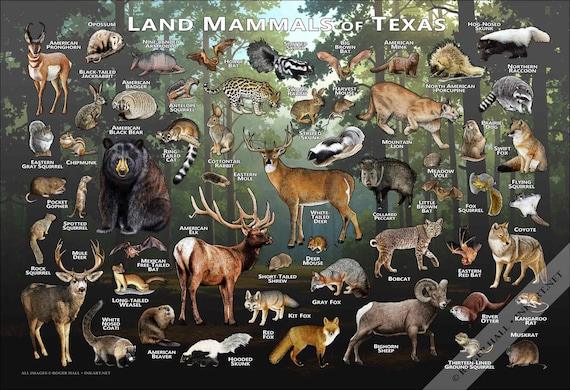
One of the most recognized mammals in Texas is the white-tailed deer, particularly prevalent in the state’s oak-juniper woodlands and brushlands. Known for their nimbleness and adaptability, these deer can often be spotted grazing in the early morning or late evening. They are characterized by their tawny coat, white underbelly, and the distinctive white tail they display when alarmed. With a healthy population across Texas, white-tailed deer are not only vital to the state’s ecosystem but also a key species for hunting and wildlife observation.
White-tailed deer thrive in various habitats but prefer regions with dense vegetation that provides cover and food. Their diet primarily consists of leaves, acorns, fruits, and flowers. Interestingly, these deer have adapted behaviors based on their surroundings, such as raising their heads often to survey for predators. They communicate through vocalizations and body language, making them fascinating to observe in the wild.
As a species, white-tailed deer play a crucial role in maintaining ecological balance. By grazing on underbrush, they help control plant populations, which can prevent overgrowth and promote biodiversity in their habitats. Efforts to manage their populations through regulated hunting ensure that these animals remain a sustainable and enjoyable component of Texas wildlife.
Texas Longhorn
The Texas Longhorn is more than just a symbol of the state; it embodies the spirit of adventure and resilience. This remarkable breed of cattle is known for its characteristic long horns that can span up to seven feet. Once on the brink of extinction in the late 1800s, the Texas Longhorn has made a remarkable comeback and is now celebrated for its hardiness, adaptability, and unique genetic traits.
Longhorns are well-suited for Texas’s often harsh climatic conditions. They exhibit a remarkable ability to survive on minimal food and water, qualities that have allowed them to thrive in the varied environments of the state. Their diet consists mainly of grass, but they are also known to eat drought-resistant plants during dry spells. Ranchers often value these cattle not only for their meat, which is lower in fat, but also for their historical significance as a representation of Texas ranching heritage.
Texas Longhorns also play a significant role in local culture, being featured in events like rodeos and livestock shows. They serve as a reminder of the state’s cattle ranching past and contribute to Texas’s identity as a frontier for those who value exploration and agricultural heritage.
Birds of Texas
American Bald Eagle
The American Bald Eagle, the national bird of the United States, finds a sanctuary in Texas’s rivers, lakes, and coastal areas. These majestic birds dominate the skies with their impressive wingspan, which can reach up to seven feet. The bald eagle is known for its striking white head and tail contrasting against its dark brown body, making it a visual icon in American wildlife.
Bald eagles prefer habitats near large bodies of open water, where they can hunt for their primary food source: fish. Their nesting behavior is fascinating, as they often return to the same nest year after year, which can grow to be quite large. During the breeding season, usually from late winter to early spring, a mating pair may have an enduring bond that lasts a lifetime.
The recovery of the bald eagle population in Texas is a remarkable conservation story. Once endangered due to habitat destruction and the use of harmful pesticides like DDT, conservation efforts have led to a rebound in their numbers. Today, Texas is home to significant populations of bald eagles, further emphasizing the importance of protecting their habitats for future generations.
Greater Roadrunner
Another fascinating bird that inhabits Texas is the Greater Roadrunner. Known for its iconic status as the state bird, the roadrunner is a fast runner and adept predator. These birds can sprint at speeds up to 20 miles per hour, relying on their agility to chase down insects, small mammals, and other prey. The Greater Roadrunner is primarily found in the arid regions of West Texas, particularly in scrub and desert areas.
With long legs, a slim body, and distinctive feathered crest, this bird is a striking sight as it zips across the landscape. Their unique vocalizations, a series of coos and clucks, contribute to their character, making them a favorite among birdwatchers. The roadrunner has acquired a reputation in popular culture, often portrayed in cartoons, making it a well-known symbol of the region.
Greater Roadrunners play a vital ecological role as predators, helping to control insect and rodent populations. Their presence in the ecosystem signifies a healthy environment, and conservation efforts focus on preserving their habitats to ensure their survival.
Reptiles and Amphibians of Texas
Texas Horned Lizard
The Texas Horned Lizard, often called the “horny toad,” is an iconic reptile known for its unique appearance and defensive behaviors. These lizards are easily recognizable due to the spiky horns on their heads and their flattened bodies. Commonly found in dry, sandy areas and grasslands, Texas Horned Lizards are well-adapted for life in the arid regions of the state.
One remarkable feature of the Texas Horned Lizard is its ability to change color based on its environment, which aids in camouflage. They primarily feed on ants and other small insects, and their populations have seen declines due to habitat loss and pesticide use. As such, the Texas Horned Lizard is considered a species of concern, prompting conservation efforts to protect their natural habitats.
Capturing their prey is a fascinating spectacle, as they can consume hundreds of ants at a time. Furthermore, when threatened, the Texas Horned Lizard can exhibit a unique defense mechanism, allowing it to squirt blood from its eyes, which confuses predators and provides an opportunity to escape. Preserving this species and its habitats is essential for maintaining the ecological balance in Texas’s diverse ecosystems.
Blackland Prairie Rattlesnake
The Blackland Prairie Rattlesnake is a striking member of the rattlesnake family, renowned for its beautiful, intricate patterns and important role in the ecosystem. This species is primarily found in the Blackland Prairie region of North Texas, which has seen significant habitat loss due to urbanization and agriculture.
Known for its distinctive rattle, the Blackland Prairie Rattlesnake primarily preys on small mammals and birds. Rattlesnakes play a crucial role in regulating rodent populations, which can have cascading effects on the ecosystem. Unfortunately, their populations have been declining due to habitat destruction and human persecution, highlighting the importance of educating the public about their ecological significance.
Conservation efforts are ongoing to ensure the survival of this species, which play a vital role in the rich tapestry of Texas wildlife. Protecting their natural habitats is crucial for their continued existence, along with public education campaigns aimed at reducing fear and promoting understanding about these remarkable snakes.
Conservation Efforts in Texas
The diverse wildlife of Texas faces increasing threats from habitat destruction, climate change, and pollution. As human populations continue to expand, the natural landscapes that many animals rely on for survival are at risk. Conservation efforts in Texas are vital to protect these unique species and their habitats while promoting awareness and education among the public.
Many organizations are actively involved in wildlife conservation across the state. Initiatives range from habitat restoration and preservation to public education and research efforts. Wildlife corridors, protected areas, and wildlife reserves serve as sanctuaries for endangered species, providing safe havens for them to thrive. Furthermore, partnerships between local governments, non-profits, and communities have proven effective in advocating for sustainable practices and wildlife preservation.
Engaging citizens through volunteer programs, educational workshops, and outdoor events are essential to fostering a culture of conservation in Texas. By participating in local conservation projects, individuals gain a deeper understanding of the wildlife they share their state with, and how they can contribute to its protection.
Long-term strategies focus on promoting biodiversity and ensuring the survival of species through research and monitoring. By studying animal populations and their habitats, conservationists can develop informed practices to mitigate threats, securing a safe future for Texas wildlife. Each species plays a vital role in its ecosystem, and preserving this intricate balance benefits both wildlife and human communities.
The Richness of Texas Wildlife
The wildlife of Texas reflects the state’s alluring landscapes and rich biodiversity. From the agile movements of the white-tailed deer to the majestic flight of the American Bald Eagle, each species contributes significantly to the ecological health of their environments. The deep understanding of these animals enhances our appreciation of the natural world, highlighting the importance of conservation efforts.
As part of a broader ecological tapestry, Texas’s wildlife presents an opportunity for residents and visitors alike to participate in conservation. Protecting habitats, supporting sustainable practices, and fostering a culture of awareness can help ensure that future generations experience the same vibrant landscapes rich with wildlife. Each animal, from the smallest horned lizard to the most powerful longhorn, plays a critical role in maintaining the delicate balance of the state’s ecosystems.
Texas is home to a myriad of wildlife that fascinates and charms all who encounter it, serving as a reminder of the wonders of nature that continue to thrive despite modern challenges. Embracing this legacy starts with understanding the animals that inhabit this great state and actively participating in efforts to preserve their natural habitats for years to come.