








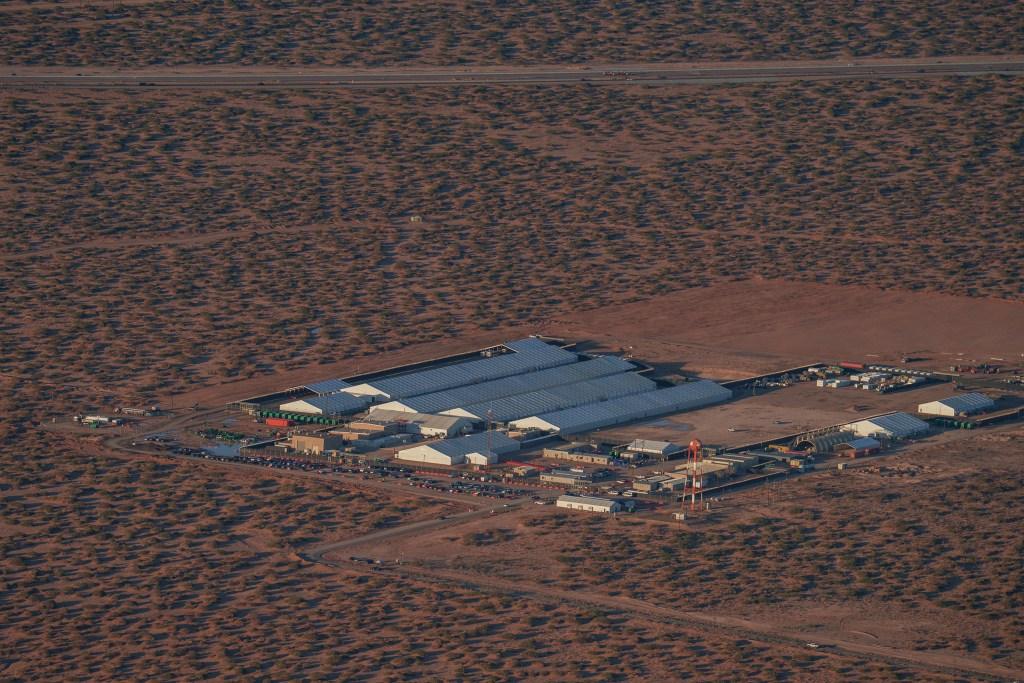
More than a week after the death of a migrant at an El Paso immigration detention facility was classified as a homicide by a medical examiner, the potential for criminal charges or prosecution remains uncertain.
Geraldo Lunas Campos, a 55-year-old Cuban national, passed away earlier this month at Camp East Montana, a large tent facility located at the Fort Bliss Army base. This site has faced condemnation from immigrant rights advocates due to allegations of “inhumane conditions.”
The El Paso Medical Examiner’s autopsy, released last Wednesday, revealed that Lunas Campos died from asphyxia caused by “neck and torso compression.” This indicates he experienced such significant pressure on his neck and chest that he was unable to breathe.
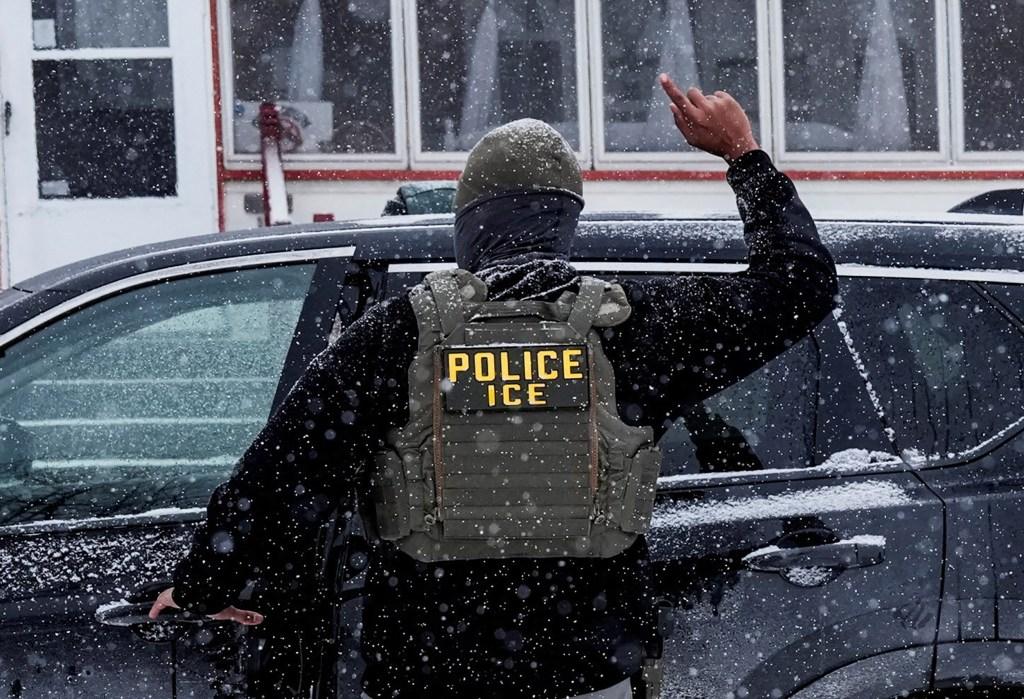
Prior to the autopsy’s release, Immigration and Customs Enforcement (ICE) issued a statement on January 9, initially claiming that he died after “experiencing medical distress,” later suggesting he attempted suicide. A spokesperson for the U.S. Department of Homeland Security, which oversees ICE, stated that “Campos violently resisted the security staff and continued to attempt to take his life. During the ensuing struggle, Campos stopped breathing and lost consciousness.”
While homicides are typically prosecuted at the state level, El Paso District Attorney James Montoya noted that the military base’s jurisdiction complicates matters. “Such land is generally within the exclusive jurisdiction of the federal government, subject to the specific terms of the deed of cession by which the land was acquired,” he said in a statement. “Our Office is continuing to research the matter of jurisdiction.”
The U.S. Attorney’s Office in El Paso, which handles federal cases, has refrained from commenting on whether it intends to pursue prosecution.
Jenny Carroll, a law professor at Texas A&M University specializing in criminal law, asserted that Montoya is not required to defer to federal prosecutors in this situation. “If they want to prosecute, they prosecute,” she stated, emphasizing that local district attorneys can challenge federal jurisdiction in court. “The feds can certainly make a choice to prosecute the case, but they can’t claim exclusive jurisdiction when Texas does have these distinct interests that it’s trying to protect,” she added, highlighting the expectation of Texas citizens for their interests and rights to be safeguarded.
Carroll noted that determining jurisdiction after a prosecutor advances a case to court is not unprecedented, indicating that “Texas would not be the first state to do this.”
Andrew Free, an Atlanta lawyer and investigative journalist focused on ICE custody deaths, concurred. “I’m aware of and have seen records for a number of instances across the country where local prosecutors have investigated, charged, and convicted ICE contractors of crimes at federal facilities,” he stated.
The uncertainty surrounding the homicide ruling’s transition into a criminal case arises amidst escalating controversy surrounding the Trump Administration’s immigration enforcement tactics, particularly following the fatal shootings of two U.S. citizens by immigration agents in Minnesota.
Carroll reflected that she would not have been surprised had the federal government hesitated to investigate Lunas Campos’ death. “However, we’re seeing a little bit of a shift,” she remarked, noting Trump’s recent attempts to soften his stance after the shootings. Following discussions with Minnesota Governor Tim Walz and Minneapolis Mayor Jacob Frey—both vocal critics of ICE actions—Trump indicated that “lots of progress is being made.”
Carroll suggested that the political climate surrounding these incidents could influence how the federal government addresses Lunas Campos’ case. “My general sense is we are in a new era of how the federal government treats its authority over immigration and what it designates as permissible versus impermissible,” she stated.
Given that Lunas Campos died in an immigration detention setting, many witnesses are other detainees who face deportation, which means that any potential prosecution would need to occur swiftly. “They may literally leave the United States and no longer be under subpoena power,” she warned.
Recent developments indicate that Darryl Vereen, an attorney from Homeland Security, and Christopher Benoit, the attorney representing Lunas Campos’ family, have reached a preliminary injunction to prevent the deportation of six migrants who witnessed the incident until they can provide depositions, according to the El Paso Times.
Witnesses have recounted events to the Associated Press, alleging that Lunas Campos was tackled by guards and subjected to a chokehold until he lost consciousness. Santos Jesús Flores, a detainee at Camp East Montana who claimed to have observed the incident, stated that Lunas Campos was handcuffed when guards forced him to the ground. “After he stopped breathing, they removed the handcuffs,” Flores reported.
Lunas Campos was the third individual to die within the first six months of Camp East Montana’s operation, coinciding with one of the deadliest years for immigration detention facilities in Texas, where at least eight migrants died in ICE custody last year.