







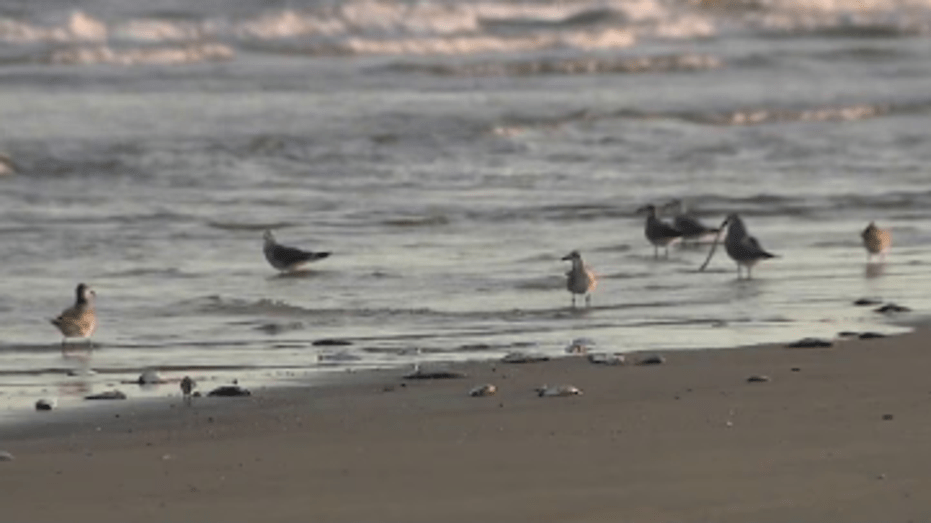
Red tide has been identified along the Galveston coast, raising concerns about its implications for local seafood supplies and the restaurants that depend on them. Experts are advising beachgoers to be cautious and stay informed about health risks associated with this phenomenon.
The Texas Restaurant Association has indicated that it is too early to assess the full impact of the red tide on local eateries. Currently, there have been no reported concerns from restaurants, but this could change depending on the duration of the red tide event.
Red tide, a naturally occurring algae bloom, can produce harmful toxins that affect both marine life and human health. This bloom can lead to fish deaths, which may decrease the availability of locally sourced seafood for restaurants.
Michael Shine from the Texas Restaurant Association noted that should the red tide persist, restaurants might face limited options and potentially increased prices for certain Gulf seafood. “We’ve not heard anything yet from any restaurants,” he remarked. “Everyone’s taking a wait-and-see approach.”
Shine highlighted that restaurants have already been grappling with significant food cost increases in recent years, and a prolonged red tide could exacerbate these challenges. Eateries that traditionally serve fresh Gulf fish, like redfish, might need to adjust their menus if certain seafood becomes scarce or more costly. “If it is available, it’s gonna cost more money,” he explained. “Depending on that cost, I may not put it on the menu today, or I may put it only on the weekends.”
Gulf oysters may be particularly vulnerable to the impacts of red tide. However, if local seafood supplies are compromised, restaurants and distributors can explore sourcing from other regions along the Gulf, such as Louisiana or Florida. Shine reassured that seafood served in restaurants undergoes strict safety monitoring, with the Texas Department of State Health Services overseeing the quality of oysters harvested from local waters.
Texas Parks and Wildlife has reported sightings of red tide at Crystal Beach on the Bolivar Peninsula and southern Galveston Island. Common indicators of red tide include discolored water, dead fish, and respiratory issues. Beachgoers have already experienced varying degrees of respiratory irritation in the affected areas.
Health officials warn that individuals may become ill from red tide by consuming contaminated shellfish or inhaling toxins released into the air. Dr. Wetz advised, “If there’s a lot of red tide in the area, just be cognizant if you’re having breathing issues or whatnot.” Those experiencing coughing or eye, throat, or respiratory irritation should seek shelter indoors promptly.
Additionally, pet owners are cautioned to keep their animals away from algae and dead fish, as the toxins can be detrimental to their health. Since red tide can be patchy, officials recommend checking the latest conditions before heading to the beach.
The last occurrence of red tide along the Texas coast was recorded in 2023. Shine also noted that the presence of red tide could affect tourism in Galveston, which may further impact local restaurants. The extent of this impact will largely depend on how long the red tide persists.