








Exploring Houston’s Bayous and Waterways
Nestled in the heart of Texas, Houston is not just a bustling city recognized for its robust industry and rich cultural diversity; it’s also a fascinating landscape of natural beauty crisscrossed by bayous and waterways. The city is often referred to as a “city of waters” due to its intricate network of rivers, lakes, and bayous that offer both scenic views and rich biodiversity. These waterways play a crucial role in the city’s ecology and provide residents and visitors alike with a unique opportunity to connect with nature.
As urban life expands, Houston’s waterways are more important than ever, serving as essential habitats for wildlife, recreational spaces, and vital parts of the urban infrastructure. This exploration of Houston’s bayous not only highlights their ecological significance but also delves into recreational activities, conservation efforts, and local culture, emphasizing the necessity of maintaining these natural treasures.
Understanding Bayous: The Heart of Houston’s Ecosystem
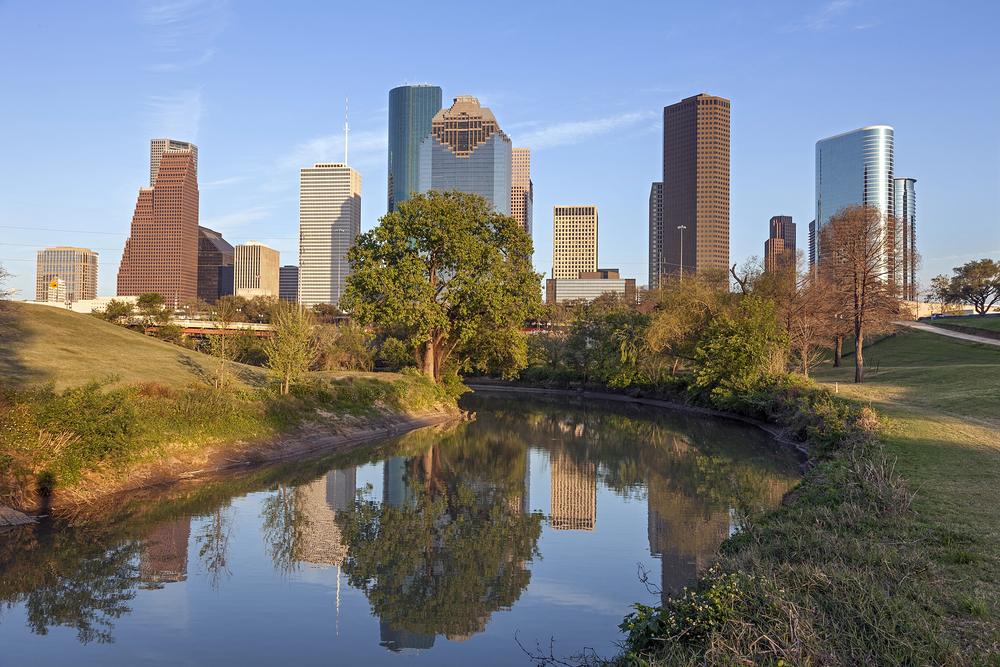
The bayous of Houston are slow-flowing waterways that often meander through neighborhoods, parks, and the city skyline. These waterways are more than just scenic backdrops; they are essential ecosystems that support a diversity of flora and fauna. The unique environmental conditions of bayous create a lush landscape teeming with life.
One of the most famous bayous in Houston is Buffalo Bayou, a winding river that stretches through the city, playing host to various recreational activities. From kayaking to birdwatching, Buffalo Bayou provides a sanctuary for many species of birds and aquatic life. Moreover, the bayou is a habitat for numerous wildlife species, including migratory birds, turtles, and even the occasional alligator.
In addition to Buffalo Bayou, Houston is home to other significant waterways, such as White Oak Bayou and IH 10 Bayou, each contributing to the city’s ecological diversity. These bayous support local plant life, with rich vegetation along their banks, creating a natural filtration system that helps maintain water quality. Preserving these subtropical ecosystems is vital in combating urban runoff and maintaining biodiversity.
Significance of Bayous in Urban Houston
As urban sprawl continues to reshape Houston’s landscape, bayous are often overlooked. However, their significance cannot be understated. They serve natural purposes that include flood control, groundwater recharge, and as vital habitats for countless organisms. Hurricane Harvey in 2017 underscored the importance of these waterways, as they absorbed excess rainfall while also highlighting the need for effective urban planning that respects the natural flow of water.
The interconnectedness of Houston’s waterways also promotes community resilience. For instance, by maintaining bayou systems and creating green spaces, urban planners can mitigate flooding and improve air quality. Furthermore, these water bodies offer recreational spaces that foster community interaction and engagement. Naturally, individuals living in close proximity to green and blue spaces report higher levels of satisfaction with their quality of life.
In promoting awareness about the ecological and social importance of bayous, numerous organizations work tirelessly to enhance and protect these waterways. Local NGOs, environmental groups, and city councils have instituted educational programs aimed at involving residents in conservation efforts, highlighting that collective action can lead to effective stewardship of Houston’s rich natural resources.
Recreational Activities: Embracing Houston’s Waterways
With Houston’s vast array of bayous and waterways, opportunities for recreation abound. Whether you’re looking for a leisurely day out, an adventurous weekend, or a peaceful retreat, the bayous offer a myriad of activities for every type of nature enthusiast.
Kayaking and canoeing are popular activities on Buffalo Bayou, where paddlers can glide through the serene waters fringed by lush foliage. Various organizations provide equipment rentals, guided tours, and lessons for beginners. The annual Buffalo Bayou Regatta further elevates the experience by inviting participants to join the exciting race held every spring.
For those who prefer to stay on land, the hike and bike trails along the bayous are perfect for jogging, cycling, or simply enjoying a walk with family and friends. The green trails not only offer stunning views of the water but also connect various parks and neighborhoods, encouraging a healthy lifestyle while engaging with nature. Parks like Buffalo Bayou Park and Memorial Park feature sprawling landscapes and picnic areas, making them ideal weekend getaways for Houston families.
Fishing and Wildlife Observation
Fishing is another popular pastime along the bayous. Anglers flock to the waters seeking species such as catfish, sunfish, and crappie. Each season brings unique opportunities for local fishing enthusiasts, who revel in the thrill of the catch while enjoying Houston’s natural beauty. With many accessible banks and piers, fishing along the bayous offers a peaceful retreat from the hustle and bustle of city life.
Wildlife observation is also a prominent activity, with the bayous serving as a haven for birdwatchers. The diverse habitat supports many species, including waterfowl, raptors, and migratory birds, making it an ideal location for both amateur and professional birdwatchers. Seasonal events, such as organized birding tours, enhance awareness and appreciation for Houston’s avian wildlife.
Connectivity to Houston’s Culture
One of the most fascinating aspects of exploring Houston’s bayous is the cultural engagement they promote. The bayous are intertwined with the city’s historical narrative, from early settlers to contemporary urban dwellers. Cultural festivals, outdoor concerts, and art installations often take place along these waterways, turning them into vibrant community spaces.
The Bayou City Art Festival, held annually, showcases the work of local artists and celebrates the city’s cultural diversity. Events like these foster greater connectivity between residents and the natural landscape, transforming how individuals interact with their environment. Moreover, the art installations along the bayous are a testament to Houston’s rich cultural tapestry and its deep-rooted appreciation of nature.
Furthermore, local eateries and cafes along these waterways contribute to a unique culinary experience. Dining at a water-side restaurant allows visitors to savor Texas cuisine while enjoying picturesque views of the bayous, enhancing the overall experience of exploring Houston’s waterways.
Conservation Efforts: Protecting Houston’s Natural Treasures
With all the benefits that Houston’s bayous provide, it is essential to address the ongoing challenges they face. Urbanization, pollution, and climate change present significant threats to these ecosystems, necessitating concerted conservation efforts. Various organizations and government bodies are dedicated to ensuring that Houston’s waterways continue to thrive for future generations.
Efforts by local NGOs, such as the Buffalo Bayou Partnership, focus on habitat restoration, community engagement, and environmental education. These organizations are pivotal in implementing projects to restore natural landscapes, remove invasive species, and improve water quality. Through community volunteer programs, residents can participate hands-on in maintaining and restoring bayou habitats, fostering a sense of stewardship.
The city has also implemented measures, such as the Houston Green and Blue Infrastructure Plan, which looks to integrate natural systems into urban planning. This initiative focuses on creating green roofs, restoring wetlands, and improving stormwater management systems to mitigate flooding and enhance water quality. Encouraging green infrastructure not only supports biodiversity but also ensures that urban environments are sustainable.
Community Involvement and Education
Building a strong community connection to Houston’s bayous is vital for successful conservation efforts. Educational programs are in place to teach residents about the importance of maintaining these ecosystems. Workshops, school programs, and community events are organized to raise awareness about the ecological and cultural significance of bayous.
Families, students, and local organizations often participate in “clean-up days,” where volunteers unite to remove litter and restore natural habitat areas. Such initiatives are crucial in instilling a sense of responsibility toward the environment and promote active engagement in conservation.
Houston’s waterways provide a unique backdrop for education, offering firsthand experiences with nature. Guided nature walks, kayaking tours, and interactive exhibits help individuals of all ages understand the intricacies of these ecosystems and the importance of preserving them.
Future of Houston’s Bayous and Waterways
The future of Houston’s bayous and waterways presents both challenges and opportunities. As urban development intensifies, it is vital to strike a balance between growth and conservation. Ensuring these waterways remain healthy and accessible will be essential for preserving their ecological integrity and cultural relevance.
Advancements in green technology and urban planning practices are promising for the city. Continued investment in green infrastructure, sustainable development, and community engagement initiatives will play a significant role in the future of Houston’s bayous. Increased connectivity and accessibility can enhance the community’s relationship with these natural resources, reinforcing their value in urban life.
Moreover, incorporating environmental education in schools can cultivate a new generation of environmentally conscious citizens, ensuring that Houston’s bayous remain vibrant and preserved. Local governments and organizations are increasingly recognizing the necessity of collaboration between urban planners, ecologists, and community members to develop a sustainable vision for the future of these waterways.
As Houston continues to grow and evolve, its bayous and waterways stand as vital components of its identity. They are not merely channels of water but living entities that reflect the city’s resilience, diversity, and commitment to preserving nature. By investing in these natural resources and fostering a culture of appreciation and stewardship, Houston can ensure that its bayous serve as lifelong providers of beauty, recreation, and sustenance for generations to come.