









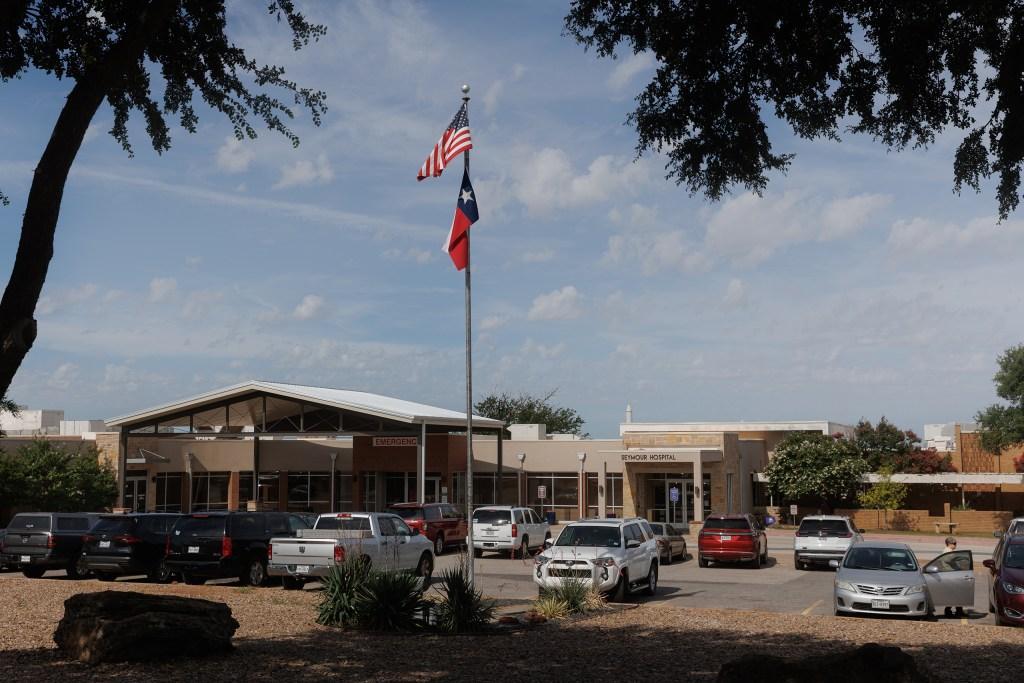
Texas is set to receive the largest allocation of funds from the federal government’s initial rollout of a $50 billion initiative aimed at strengthening rural healthcare nationwide.
On Monday, the Trump administration detailed its strategy for distributing billions to states over the next five years as part of the federal Rural Health Transformation Program. This fund was established earlier this year following the passage of the One Big Beautiful Bill Act, which also resulted in a significant reduction in Medicaid funding, estimated at around $1 trillion.
States submitted proposals to secure parts of the one-time federal funding, and Texas, as reported by the Centers for Medicare & Medicaid Services, is poised to receive over $281.3 million in the program’s first year in 2026. This amount exceeds the state’s original request by approximately $81 million.
Alaska follows with the second-largest share, receiving $272.7 million annually.
Despite receiving the highest total funding, Texas’s allocation per capita is comparatively low, particularly given its status as the state with the highest rural population. Approximately half of the federal funds will be distributed equally among states, resulting in Texas receiving about $60 per rural resident—making it the lowest rate in the country.
U.S. Health and Human Services Secretary Robert F. Kennedy Jr. emphasized the importance of this investment, stating, “More than 60 million Americans living in rural areas have the right to equal access to quality care. This historic investment empowers local hospitals, clinics, and health workers to take charge of their communities’ healthcare.”
The funding comes at a critical time, as Texas’s rural hospitals and clinics face severe financial challenges due to budget deficits and escalating operational costs.
Rural communities often experience a higher demand for healthcare services, exacerbated by elevated uninsured rates. A report from the National Institute of Health indicates that 76 Texas counties have uninsured rates exceeding 20%, with 60 of those counties located in rural areas.
Furthermore, the NIH study found that rural Texas has higher rates of mortality from cancer, heart disease, respiratory issues, and unintentional injuries compared to the overall state average, with health outcomes in these populations continuing to decline.
Governor Greg Abbott stated, “Rural Texans across the state will benefit from this historic federal investment. We will strengthen our rural hospitals, expand access to critical mental and physical health care, and help reduce chronic disease through wellness and nutrition initiatives.”
The state’s health agency plans to utilize the funds to enhance rural healthcare clinics through various strategies, including the implementation of wellness and nutrition programs, efforts to recruit healthcare professionals to rural areas, and the modernization of resources and technology at rural centers.
More specifically, the plan includes creating over a thousand new healthcare positions in rural areas with the additional funding.
U.S. Senator John Cornyn, who advocated for the funds in a letter to CMS Administrator Dr. Mehmet Oz last December, expressed pride in supporting the establishment of the Rural Health Transformation Program, highlighting its significance for millions of Texans living in rural regions.
Cornyn remarked that this initiative represents another instance of the Working Families Tax Cuts benefiting all Texans.
For some hospitals in Texas, this funding could prove to be a crucial lifeline.
Erin Clevenger, CEO of Memorial Medical Center in Port Lavaca, noted in October that her hospital was nearing closure, stating, “Every day is a battle to make sure we don’t become one of those statistics.”
In the past decade, 14 rural hospitals in Texas have shut down, according to a report by the Center for Healthcare Quality and Payment Reform, with more than half of the remaining facilities—82 hospitals—facing closure risks. Twenty-one hospitals are currently classified as being at immediate risk of closing.
Rural hospitals have been compelled to eliminate their most expensive services, such as labor and delivery. Nearly 60% of rural Texas hospitals no longer offer maternity care, leaving large areas of the state without accessible birthing facilities.
From 2010 to 2022, Texas lost a dozen rural obstetrics units, as reported by the University of Minnesota Rural Health Research Center, with one-fifth of those still operational at risk of closing.
Dan Keemahill contributed to this report.