








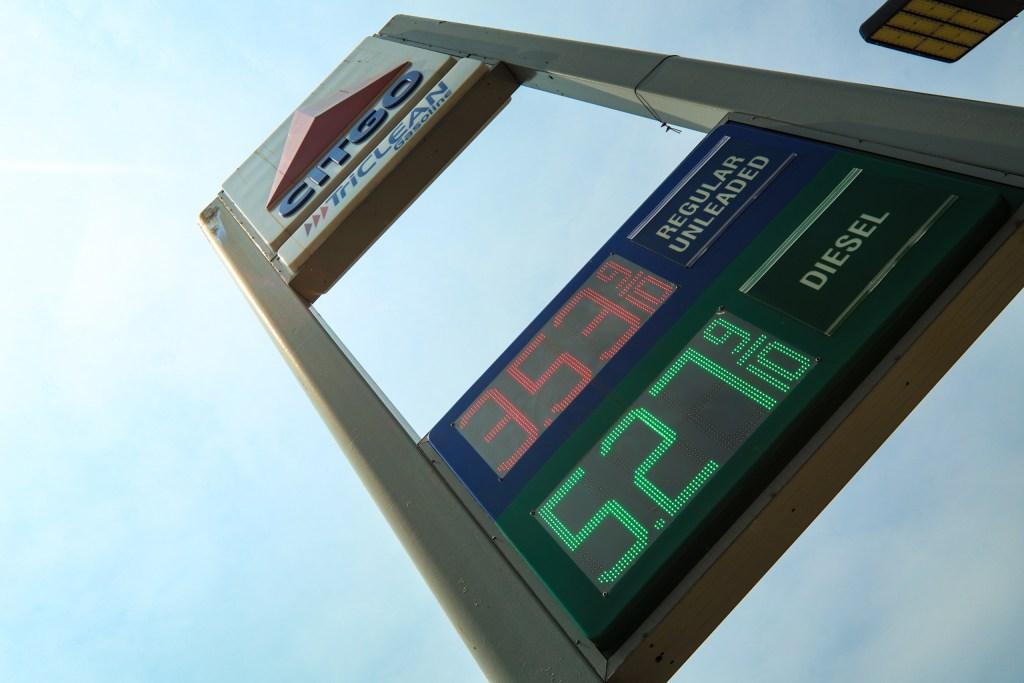
In a state that was once celebrated for its affordability, candidates are now emerging at barbershops and in the homes of voters, promising to address a pressing issue: the rising cost of living in Texas.
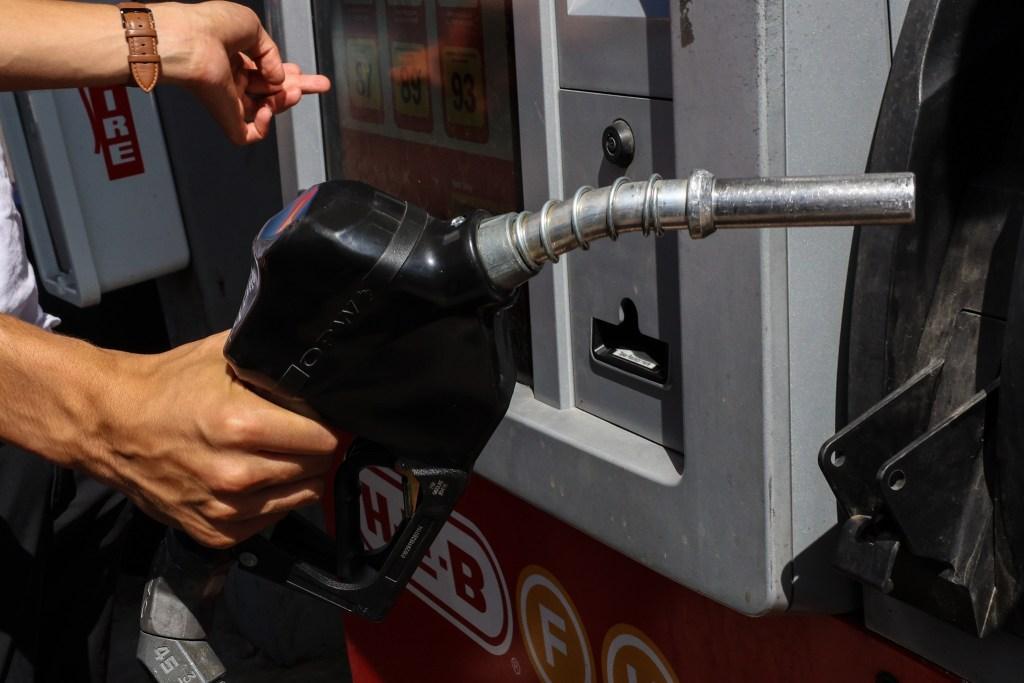
Campaign advertisements prominently feature candidates showcasing bags of groceries while lamenting the skyrocketing prices of food, healthcare, and gas. On the campaign trail, they pledge to implement tax cuts and provide financial support to help Texans thrive.
Affordability Takes Center Stage
The term “affordability” has become a focal point in this election cycle, with voters seeking candidates who prioritize this critical issue, according to Michael Adams, a professor and director of the Master of Public Affairs Graduate Program at Texas Southern University.
From housing to groceries and fuel, Texans have seen their everyday expenses increase significantly over the last several years. As these costs continue to rise, many residents now identify the high cost of living as a primary concern for the state.
In the upcoming midterm elections, candidates across the political spectrum are eager to convince voters of their capability to address the affordability crisis. In the highly competitive Senate race, Republican Ken Paxton has proposed tax breaks aimed at alleviating healthcare and housing costs, while his Democratic opponent, state Rep. James Talarico, has suggested eliminating the gas tax to relieve transportation expenses and expanding tax benefits for families with children.
Governor Greg Abbott, who is campaigning for a fourth term, is advocating for the elimination of school property taxes and easing restrictions on home construction. His challenger, state Rep. Gina Hinojosa, aims to distribute $1,500 to every Texas household and prevent Wall Street from acquiring single-family homes.
The Erosion of Affordability
For decades, Texas has been perceived as a haven of affordability, attracting residents and businesses from more expensive states. However, the state is not exempt from the national cost-of-living crisis that is shaping this year’s midterm elections. Numerous indicators suggest a decline in the state’s affordability.
Energy prices have surged by 65% over the last decade, driven by escalating gas prices, increased demand, and costs associated with natural disaster recovery and infrastructure upgrades. Housing costs have risen by 44%, while food prices have increased by 41%, all surpassing the state’s overall inflation rate of 35%. Healthcare expenses have also risen by 25% over the past decade.
While the median household income in Texas grew by more than $25,000 from 2014 to 2024, this increase only reflects a 14% rise when adjusted for inflation. Although poverty rates have decreased in Texas and nationwide, the state still has the second-highest number of households living below the poverty line in 2024. Lower-income Texans continue to face challenges in making ends meet, even as those with higher incomes also feel the impact of rising prices.
Additionally, increased tariffs and stricter immigration policies implemented during the Trump administration have disproportionately affected Texas due to its reliance on international trade and immigration to drive job growth. Ray Perryman, a veteran Texas economist, notes that while the state’s lower cost of living and gas prices have provided some relief, the overall economic situation has created a “perfect storm.”
Inflation Tops Voter Concerns
The rising costs have generated significant anxiety among Texas voters. Previously, immigration was the primary concern; however, recent polling indicates that inflation and higher prices have now taken precedence. An August survey by the Texas Politics Project at the University of Texas at Austin revealed that rising prices are now the top concern for Republicans and independents, and the second most important issue for Democrats after political corruption.
James Henson, director of the Texas Politics Project, emphasizes that when Texans are asked about their biggest concerns, a substantial number across the political spectrum cite rising prices and economic issues as significant challenges facing them and the state.
Although candidates have proposed various solutions to alleviate financial burdens for Texans, experts caution that some of these ideas may serve more as political statements rather than viable solutions. There is skepticism about whether any of the candidates can effectively lower costs.
Santiago Quinonez, a 25-year-old data analyst in Austin, has had to cut back on dining out due to rising costs. His younger sister moved in with him to save on rent. Quinonez plans to prioritize affordability when voting in November but remains doubtful about candidates’ abilities to resolve the issue. “Instead of just telling me they’re going to do something, I want to see a concrete plan with details, which I don’t think anyone really has,” he remarked.
Political Stakes in the Midterms
As the midterm elections approach, Republicans find themselves in a precarious position, facing a national environment that is challenging for their party, despite Texas performing better economically than many other states. This scenario poses risks similar to those faced by Democrats two years ago, when they struggled amid voter dissatisfaction stemming from inflation.
Factors such as President Trump’s trade policies and international conflicts have exacerbated household expenses, further complicating the situation for Texas Republicans, who have long championed the state’s economic growth. Henson suggests that the current economic climate may undermine Republican incumbents’ claims of a “Texas miracle,” as many voters no longer feel the benefits of that growth.
Texas Democrats are seizing the opportunity to criticize Republicans for allowing the state’s costs to escalate without taking action. Manny Garcia, former executive director of the Texas Democratic Party, asserts, “Texas Republicans have been in office for three decades, and they got us here.” He believes that their focus on wealthy donors has detracted from addressing the needs of average Texans.
Voter sentiments echo this frustration. Cydney Murry-Berry, a 33-year-old human resources director and mother of two, has experienced significant financial strain due to rising costs, particularly in childcare, limiting her family’s ability to enjoy vacations and outings. Murry-Berry’s upbringing in a low-income neighborhood has heightened her awareness of income inequality, which she plans to consider in her voting decision.
Despite this frustration, Democrats face challenges following disappointing results in the previous elections. Republicans argue that Texas is better positioned to navigate challenging economic conditions compared to more liberal states, asserting that Democratic policies would not yield better outcomes.
“Democrats have never proposed any initiative to lower the cost of living; it has always been more taxes and more spending,” said Eduardo Leal, press secretary for the Abbott campaign. “Governor Abbott’s answer is to lower costs and cut taxes.”
While Republicans have not entirely abandoned cultural issues like immigration and abortion, the focus on economic concerns has shifted priorities on the campaign trail, according to Vinny Minchillo, a Republican strategist. “No one can worry about social issues if they’re worrying about where their next meal is coming from,” he asserted.
Proposed Solutions and Their Implications
Candidates in high-profile races have introduced numerous proposals aimed at addressing costs related to housing, healthcare, childcare, property insurance, and higher education. Policy experts have differing opinions on the efficacy of these suggestions.
Democratic candidate Gina Hinojosa aims to utilize the state’s rainy day fund—currently at a record $24.8 billion—to distribute $1,500 checks to every Texas household as a form of immediate relief. However, this approach raises concerns about potential inflationary effects, according to John Diamond, senior director of the Center for Tax and Budget Policy at the Baker Institute for Public Policy. He notes that similar federal payments during the COVID-19 pandemic contributed to inflationary pressures.
With Texas nearing full employment and inflation above 2%, injecting $17 billion into the economy could exacerbate demand and drive prices higher, Diamond cautions. “You really don’t want to add any fuel to the fire,” he remarked.
Abbott’s property tax plan has faced skepticism from tax policy experts, particularly regarding a proposal to limit how quickly property values can increase, which may not guarantee reduced tax bills and could lead to higher housing costs.
Paxton’s proposed income tax deductions aimed at assisting with home purchases and healthcare costs are likely to benefit higher-income individuals while providing minimal relief for lower-income families, according to Andrew Lautz, senior director of federal policy at the conservative Tax Foundation’s Center for Federal Tax Policy.
Talarico has suggested enhancing the federal Child Tax Credit and reinstating improved premium tax credits from the Affordable Care Act to lower health insurance costs, among other tax benefits. However, Lautz warns that these tax breaks, while potentially easing immediate financial burdens, could lead to increased inflation if they require government borrowing.
Hinojosa argues that her plan, which would need legislative approval, would not result in inflationary pressures, asserting that state-level payments differ from federal stimulus checks due to their smaller scale.
Campaigning also involves signaling candidates’ values to voters, regardless of the robustness of policy proposals. Garcia emphasizes the importance of demonstrating a commitment to the needs of the public: “It starts getting people an understanding of how you would approach the next problem. Are you going to side with the corporation? Are you going to side with me?”
In addition to financial relief, Hinojosa views the checks as a means to rebuild trust in government during a time of widespread skepticism. “We have to demonstrate to people that government can do something for