









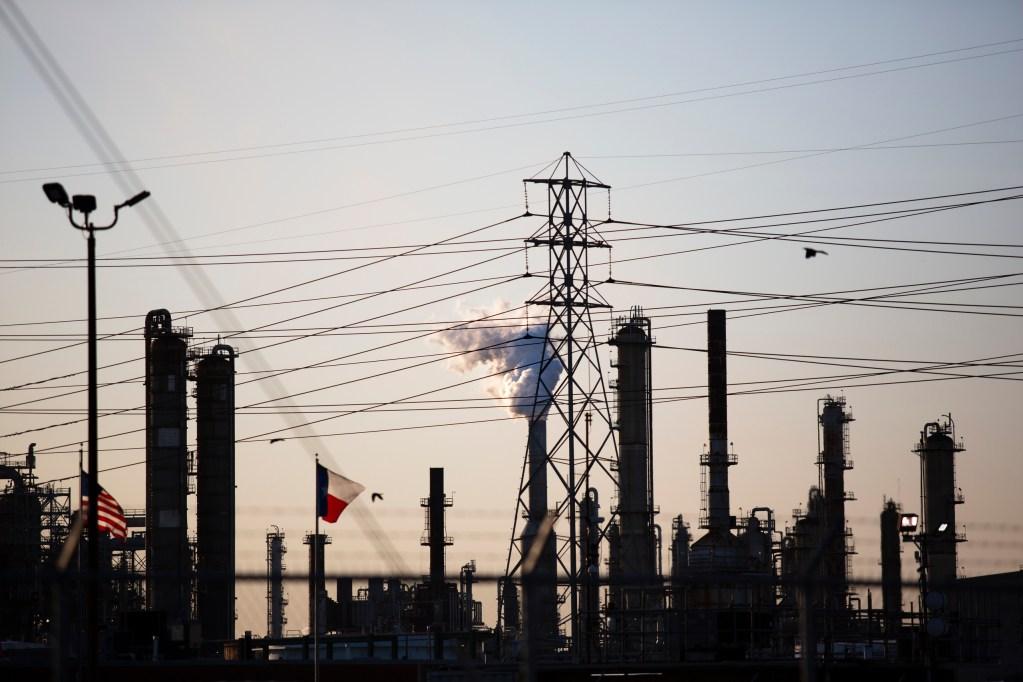
Imports of Venezuelan crude oil into the Gulf Coast have surged significantly since the U.S. assumed control over Venezuela’s oil industry, providing a substantial advantage to Texas oil refiners amidst the unprecedented energy supply crisis sparked by the conflict in Iran.
Data indicates that average imports rose from approximately 110,000 barrels per day in January—when U.S. military forces arrested Venezuelan President Nicolás Maduro—to 575,000 barrels per day by June. This marks the highest average daily import volume from Venezuela since 2018, the year Maduro’s controversial reelection led to sanctions from the Trump administration that effectively barred Venezuelan oil imports to the U.S. starting in 2019.
The Texas coastline has been the primary recipient of these imports this year, with 43% of Venezuelan oil directed to over ten Texas refineries capable of processing the country’s heavy crude grade, according to S&P Global Energy. Louisiana refiners received 39%, while the remainder was distributed to facilities in Mississippi and Delaware.
Analysts suggest that the timing is advantageous for Venezuelan oil to re-enter the Texas market. The intermittent closure of the Strait of Hormuz following the onset of hostilities has disrupted crude oil shipments from several Middle Eastern nations, compelling refiners to seek alternative sources of supply.
“It’s not surprising that the U.S. is increasing its imports of Venezuelan barrels, as they are necessary—especially with the strait being shut down,” noted Debnil Chowdhury, a refining analyst at S&P Global Energy. “You need every available barrel of heavy crude.”
Historically, Saudi Arabia and Iraq have been the Gulf Coast’s largest suppliers of Middle Eastern oil, accounting for over 12% of total crude oil imports into Texas and the wider Gulf Coast as recently as 2025. However, these volumes have diminished sharply in the weeks following the collapse of the peace negotiations initiated by the previous administration with Iran.
Since the closure of the Strait of Hormuz in late February, Venezuelan oil imports have nearly quadrupled, according to the latest federal figures.
Despite the rapid escalation in imports, experts predict a stabilization in the coming year. Venezuela’s production levels currently hover around 1 million barrels per day, with approximately half of that volume making its way to the Gulf Coast.
Looking ahead to 2027, production is anticipated to plateau at approximately 1.15 million barrels per day, following agreements between several international oil corporations, including Chevron, and the Venezuelan government to expand operations.
Venezuela’s oil production peaked at over 3 million barrels per day during the late 1990s and early 2000s under former President Hugo Chavez, but has since experienced a prolonged decline under Maduro. Experts estimate that it will take several additional years and substantial investment before production can recover to those historic levels.
“To achieve a significant increase in production, substantial capital investment is required, which we don’t expect to yield significant output until the early 2030s,” stated Kyle Bertamini, principal analyst at the energy consultancy Enverus.
Attention is also turning to the repercussions of the devastating earthquakes that struck Venezuela last month, claiming over 5,000 lives. Early reports suggest that the seismic events, which primarily affected the central coastal region, did not substantially disrupt oil and gas production in the eastern and western regions of the country. Chevron and other foreign entities confirmed shortly after that their operations remained unaffected.
However, analysts remain vigilant regarding potential indirect impacts on the revitalization of the oil sector. “If the Venezuelan government needs to redirect funds to address earthquake relief, that could impact oil production,” Chowdhury remarked.
Crude production is vital to Venezuela’s economy, and exports to Gulf Coast refineries could provide essential revenue for the government to support earthquake recovery and reconstruction efforts, experts emphasize.
Export revenues continue to be held in U.S.-controlled accounts, though the previous administration has not disclosed the amount generated or the allocation of those funds. The Council on Foreign Relations estimates that exporting around 1.1 million barrels per day in April yielded approximately $3.7 billion.
“It is crucial to understand that Venezuela’s recovery will increasingly rely on its capacity to utilize the nation’s abundant natural resources, alongside the resilience, talent, and determination of its people,” commented Lorena Moscardelli, Director of the University of Texas Bureau of Economic Geology, who began her career with Venezuela’s state-run oil enterprise.