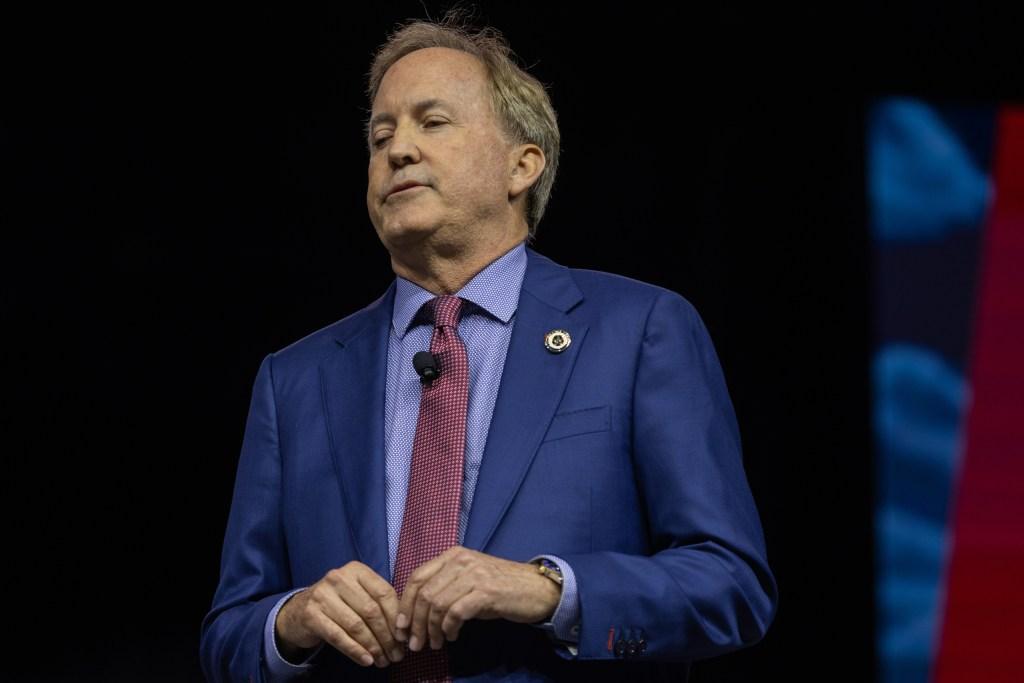







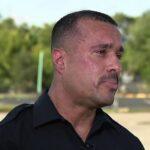

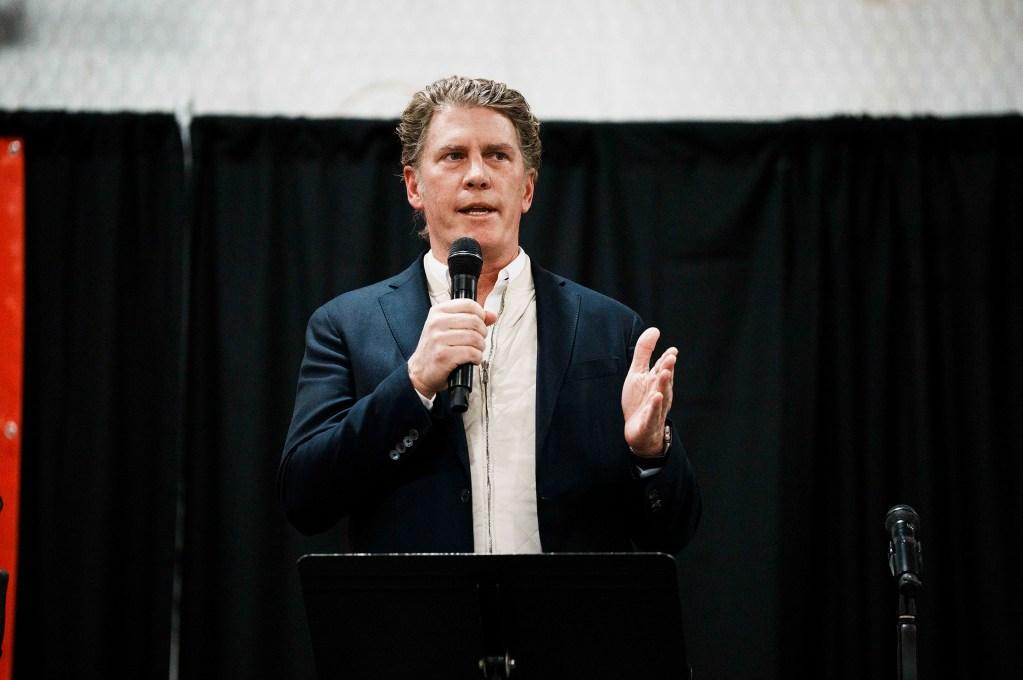
Bo French, a controversial candidate for the Texas Railroad Commission, sparked national outrage this week after making a racist comment about a group of South Asian students during a Longhorns game on social media. This incident has unexpectedly brought attention to the regulatory agency, which is not widely understood by the public.
The post has prompted strong backlash from prominent Republican figures, including U.S. Senator John Cornyn and former presidential adviser Karl Rove, who announced his support for the Democrat running against French during a private gathering in Austin. French, a far-right Republican, has a troubling history of incendiary remarks targeting various groups, including Jews, Muslims, Native Americans, South Asian Americans, and the LGBTQ+ community.
While Republican leaders have publicly condemned French’s remarks, the oil and gas industry—an area French would oversee—has remained largely silent amid the controversy. The Texas Tribune reached out to major energy companies such as ExxonMobil, Chevron, and Occidental Petroleum for comments regarding French’s post, but none provided a response.
Shortly before the uproar, the Texas Oil and Gas Association’s Political Action Committee had endorsed French. However, following his derogatory comments, the group issued a statement denouncing his tweet. Todd Staples, treasurer of the Texas Oil and Gas Association Good Government Committee, emphasized the industry’s core values of respect.
Interestingly, TXOGA had initially backed French’s opponent, incumbent Jim Wright, earlier this year, contributing approximately $100,000 to his campaign. Other companies, including Exxon, also made significant donations to Wright. The upcoming campaign finance reports due in early October may reveal whether the oil companies have shifted their financial support towards French.
Political experts suggest that French’s controversial persona may deter the oil and natural gas industry from openly aligning with him, as such an association could negatively impact business operations and workforce relations. Many of these companies have significant interests in the Middle East and employ South Asian workers—groups that have been targeted by French in his rhetoric. Supporting him could imply agreement with his views.
French’s political proposals remain vague. The Texas Railroad Commission, one of the state’s oldest agencies, does not handle immigration, university governance, or LGBTQ+ issues. Instead, it oversees various energy matters, including drilling, mining, and pipeline management. This year, the commission received new authority to permit underground carbon capture injection and manages a budget exceeding half a billion dollars.
The Permian Basin in West Texas plays a crucial role in U.S. oil production, contributing nearly half of the nation’s supply expected by 2025. This region’s output has been pivotal in stabilizing oil demand amidst geopolitical tensions.
Traditionally, the oil and gas industry has supported Republican candidates who align with its objectives. However, French’s recent actions have complicated this dynamic. His public discourse has largely focused on social issues rather than specific energy policies. A review of his social media activity reveals a lack of substantive discussions on the Railroad Commission’s responsibilities.
French’s campaign website has recently been updated to include priorities like reducing energy costs, though specifics on how he plans to achieve these goals are lacking. He attributes high prices to environmental policies and promises to enhance oil and gas production, asserting that such regulations threaten households.
Despite his push for deregulation and increased fossil fuel production, French has not gained substantial support from major oil companies. Experts note that industry leaders prioritize regulatory expertise and predictable policy outcomes over alignment on cultural issues.
Some oil executives have made personal contributions to French’s campaign, including significant donations from Midland executive Miles Boldrick and CrownQuest Operating’s Luke Dunn. However, major oil corporations have yet to rally behind him, contrasting their support for Jim Wright.
French’s primary financial backer is the Texas Freedom Fund for the Advancement of Justice, a PAC associated with oil magnates Tim Dunn and Farris Wilks, which has invested heavily in his campaign.
As for his opponent, former oil and gas engineer and state representative, Rosenthal has focused on issues pertinent to the industry, such as orphan oil wells and wastewater management. He presents a more moderate stance that acknowledges the industry’s contributions to Texas, including energy surplus and tax revenue.
While Rosenthal’s campaign may seem advantageous due to the lack of support for French, experts caution that this does not guarantee backing from the industry. Should he win, his position could allow him to voice concerns that may challenge oil companies, despite being outnumbered on the commission.
Political analysts emphasize that the industry prefers not to have a Democrat in a position of influence on the Railroad Commission, viewing it as a potential risk.