






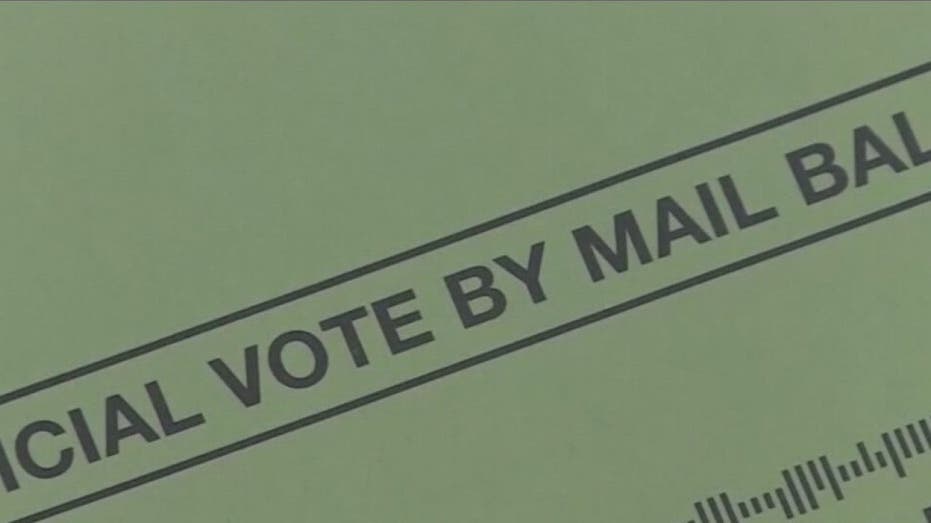
Travis County has taken legal action by joining a federal lawsuit aimed at blocking the Trump administration’s proposed changes to mail-in ballot regulations. This lawsuit, initiated by the Campaign Legal Center and the Democracy Defenders Fund, also includes participation from the League of United Latin American Citizens (LULAC), the Arizona Students’ Association, the Secure Families Initiative, and the city of Madison, Wisconsin.
County Clerk Dyana Limon-Mercado expressed concerns over the proposed rule’s potential to disrupt election operations and create voter confusion ahead of the upcoming November midterm elections. “Our elections are administered by local officials who understand the voters and communities we serve,” she stated. “We should not be forced to navigate last-minute federal rules that create confusion, delay ballots, and make it harder for eligible voters to participate.” Limon-Mercado emphasized that Travis County will continue its efforts to safeguard voter participation in elections.
With the general election set for November 3, there are less than 70 days remaining, and mail-in ballots are expected to be distributed in less than three weeks. The county clerk’s office indicated that the proposed USPS rule could result in significant operational costs and legal challenges, further complicating the voting process for vulnerable populations such as seniors and individuals with disabilities.
In addition to these challenges, election administrators in Texas are grappling with issues related to the TEAM 2.0 election system, which have also impacted mail-in ballots. Reports have highlighted that these system issues resulted in tens of thousands of voter registration applications going unprocessed for extended periods. In Texas, voters whose applications were timely but unprocessed may cast provisional ballots, but there is no guarantee these will be counted.
The controversy surrounding mail-in ballots traces back to an executive order signed by Trump in March, which mandated the creation of lists of eligible voters and limited mail ballot deliveries to individuals on those lists. Despite the president’s claims of widespread fraud associated with mail-in voting, studies have shown that such occurrences are exceedingly rare.
Usage of mail ballots has surged, with approximately 30% of all ballots cast via mail during the 2024 presidential election, according to federal data. A study conducted by the Brookings Institution in 2025 found only a handful of fraud cases among millions of mail ballots. Notably, Trump himself utilized mail voting in Florida’s special election in 2026.
In response to the executive order, Democratic officials from 23 states and the District of Columbia filed lawsuits to challenge its validity, positing that the Constitution grants states and Congress the authority over election processes. A Massachusetts judge initially blocked the order for the midterm elections, a decision later upheld by an appeals court, which resulted in a nationwide injunction.
However, on August 24, the Supreme Court intervened, allowing Trump’s order to proceed by ruling that the states lacked the standing to challenge it. The court’s decision was based on procedural grounds rather than the legality of the order itself, as clarified by the Democracy Defenders Fund.
Juan Proaño, CEO of LULAC, who is involved in the lawsuit, noted that the Supreme Court’s ruling focused on timing rather than the substantive legal issues at play.