









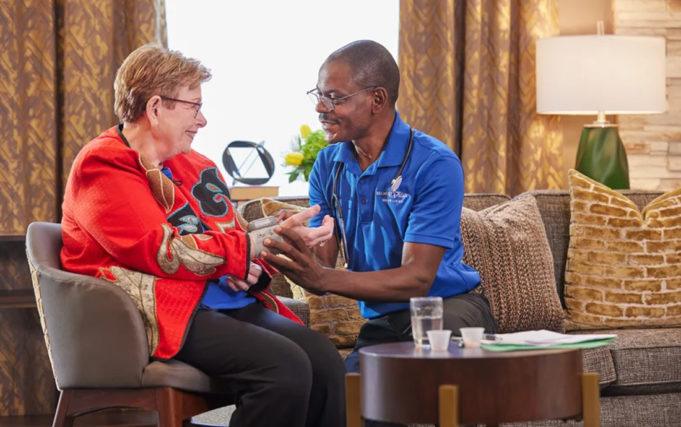
A senior living community provides much more than just a private room and basic assistance. These environments foster social connections, offer nutritious meals, deliver health-focused programming, and aid with daily activities. Residents can uphold their personal preferences while receiving care that adapts to their evolving needs. Families benefit from consistent communication and reassurance from trained professionals. The most effective communities balance independence with practical safety measures, allowing older adults to find meaningful ways to spend their time, nurture relationships, and maintain personal dignity.
A Familiar Setting With Added Support
Choosing a place to live involves more than merely evaluating floor plans or monthly costs. Older adults often require easier transportation, reduced household responsibilities, and reliable assistance without sacrificing their familiar routines. A senior living community in Nashville can meet these needs by combining personal care, social opportunities, and accessible environments. The ideal setting enables residents to make daily decisions while ensuring trained staff are available for extra help when necessary.
Services That Simplify Everyday Routines
Housekeeping, laundry, transportation, and maintenance services can alleviate physical burdens in daily life. Staff may also assist residents with bathing, dressing, grooming, mobility, or medication reminders. Care should align with individual abilities rather than replace tasks residents can still perform. This thoughtful approach protects autonomy while minimizing fall risks, missed medication doses, and fatigue associated with overwhelming household duties. Residents thus have more energy for rest, recreation, and maintaining relationships.
Wellness That Supports Whole-Person Health
Effective wellness programming encompasses strength, balance, nutrition, sleep, cognition, and emotional wellbeing. Exercise classes can enhance lower-body strength, joint mobility, and confidence in movement. Nutritious meals help sustain energy, muscle health, and digestive regularity. Cognitive activities promote attention and memory, while relaxation practices may alleviate stress. Staff members can monitor changes and promptly communicate concerns, facilitating early clinical evaluation when needed.
Friendships and Belonging
Regular interactions with peers can mitigate feelings of loneliness and bolster emotional health. Shared meals provide natural opportunities for conversation, while clubs encourage residents to engage around common interests. Activities such as music, card games, celebrations, and group outings introduce structure while maintaining an element of surprise. Staff members also serve as familiar sources of encouragement. Meaningful social interactions can enhance mood, reinforce confidence, and motivate participation in daily activities.
Learning and Personal Growth
Intellectual curiosity does not diminish with age. Classes in history, art, technology, or local culture can ignite interest and inspire thoughtful dialogue. Residents may also have the chance to teach a skill, lead discussions, or share knowledge gained from their professional lives. These roles reaffirm competence and identity. A diverse calendar of activities offers older adults opportunities to explore interests that may have been sidelined during their working years or while caregiving.
Dining as a Daily Experience
Nutrition and satisfaction with dining experiences significantly impact quality of life. Menus should provide adequate protein, fiber, hydration, and essential nutrients, with accommodations for diabetes, swallowing difficulties, allergies, or specific dietary needs. Inviting dining areas promote conversation and encourage regular meal patterns. Seasonal menus, family-style dinners, and cooking demonstrations foster anticipation for meals. Flexible dining options also respect individual appetites, cultural preferences, and health requirements.
Safety Without Losing Independence
Safety measures should enhance mobility rather than hinder it. Features such as handrails, proper lighting, non-slip flooring, accessible bathrooms, and emergency response systems help prevent injuries. Trained staff are available to assist during emergencies or moments of confusion. Residents benefit from nearby support while retaining the freedom to choose their activities, clothing, meals, and visitors. Thoughtful design fosters confidence without creating an institutional atmosphere.
Care Choices That Can Change Over Time
Health needs may evolve following surgery, illness, cognitive changes, or decreased balance. A community offering independent living, assisted services, and memory care can adapt to these shifts without necessitating a sudden move. Families should evaluate staffing, assessment protocols, medication management, and clinical partnerships before making a choice. Clear care plans ensure each resident receives the appropriate support while maintaining familiar routines, relationships, and personal preferences.
Family Connection and Reassurance
Family members play an essential role in the care team. Regular updates can inform them of changes in appetite, sleep patterns, mood, mobility, or engagement levels. Visits, shared meals, and scheduled events help families stay connected to their loved ones’ daily experiences. Staff can also engage in discussions about care planning, memory-related symptoms, fall prevention, and advance directives. Respectful communication fosters trust and equips families with the information necessary for informed decision-making.
Conclusion
A senior living community can provide a comprehensive lifestyle, extending beyond mere housing. Daily support, clinical awareness, nutritious dining, purposeful activities, and social connections all contribute to healthier aging. Residents maintain choices while benefiting from safeguards tailored to their abilities. Families receive consistent communication and reliable assistance nearby. With careful consideration, older adults can choose a setting that enhances comfort, dignity, physical function, emotional health, and meaningful engagement throughout the various stages of later life.