


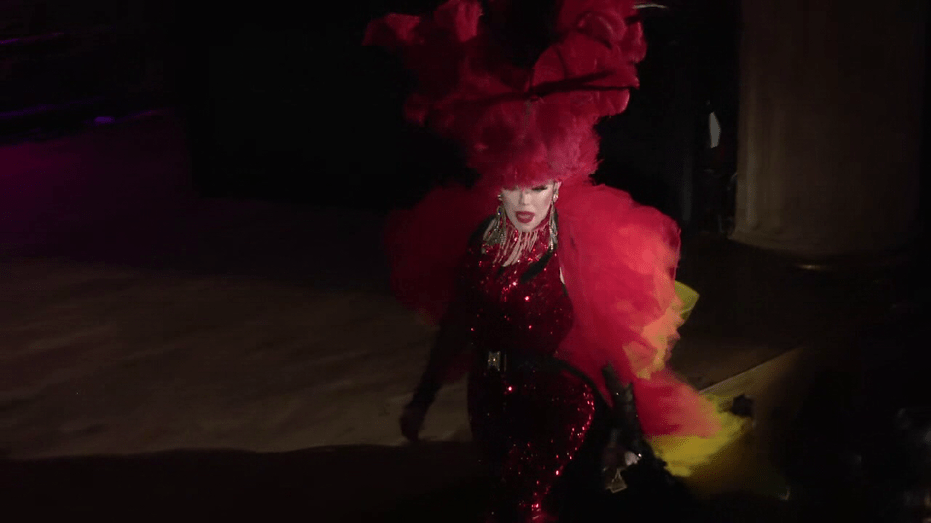
A federal judge’s recent ruling has brought a sense of relief to a Baytown drag performer, who expressed gratitude that Texas’ restrictions on certain performances in front of minors have been struck down. This ruling comes after years of legal uncertainty for drag artists in the state.
U.S. District Judge David Hittner determined that Senate Bill 12, which aimed to regulate what it classified as “sexually oriented performances,” was unconstitutional. The judge criticized the law for being overly broad and vague, which could have unjustly impacted various forms of artistic expression, including drag shows, ballet, and even mainstream entertainment like Broadway productions.
The law, enacted in 2023, imposed potential civil and criminal penalties on performers, including a jail sentence of up to one year for violations. However, Judge Hittner found the definitions within the law—such as “lewd” and “prurient interest in sex”—to be unclear, leaving performers and venues uncertain about what could trigger penalties.
In his comprehensive 34-page decision, Hittner underscored that the law could inadvertently apply to numerous constitutionally protected performances, such as theater, comedy, and sporting events. He notably referenced Dolly Parton to illustrate the subjective nature of the law’s standards, pointing out that her stage attire could be interpreted as sexual by some observers, thus highlighting the law’s potential reach beyond intended targets.
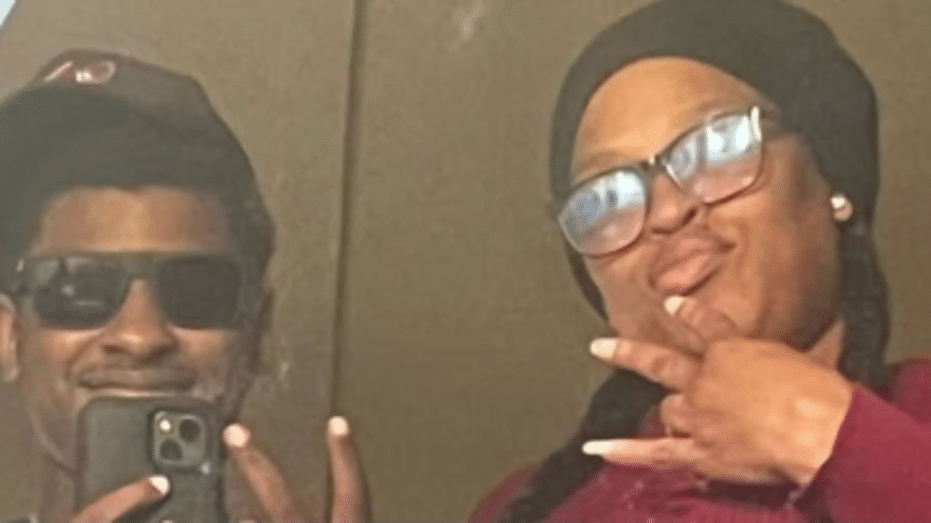
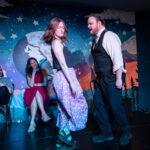
Barry Mii Dandy, a drag king from Baytown, reflected on the impact of the prolonged legal battle, which fostered insecurity among performers regarding appropriate venues for their shows. He underscored the personal stakes involved, especially for drag kings who face greater challenges in securing performance opportunities compared to their drag queen counterparts.
“I’m just here to play dress-up and have a good time—like, shake a little shimmy this way, that way—and hopefully, you give me a dollar,” Barry stated. He emphasized that performers are aware of the different audiences for their shows, noting that some are family-friendly while others cater to adult audiences. He recounted an incident where a family with children was asked to leave an adult-only show due to concerns over the potential repercussions of SB 12, despite no inappropriate content being presented.
It’s important to note that the ruling does not remove existing Texas laws concerning obscenity and indecent exposure, which remain in effect. The ACLU attorney Brian Klosterboer clarified that these existing laws are sufficient for addressing inappropriate performances, and SB 12 was deemed unnecessary and overly expansive in its scope.
The case’s journey began when Judge Hittner initially blocked the law in 2023, but the Fifth Circuit Court of Appeals later lifted that injunction, prompting further examination. Ultimately, Hittner reaffirmed the law’s unconstitutionality after additional legal analysis.
Looking ahead, Texas Attorney General Ken Paxton has indicated plans to appeal the latest ruling. For the time being, however, he is permanently barred from enforcing SB 12, allowing performers like Barry to breathe a sigh of relief, even as the possibility of an appeal looms.
In closing, Judge Hittner offered a straightforward message to those who might find the performances objectionable: “Just don’t go.”