





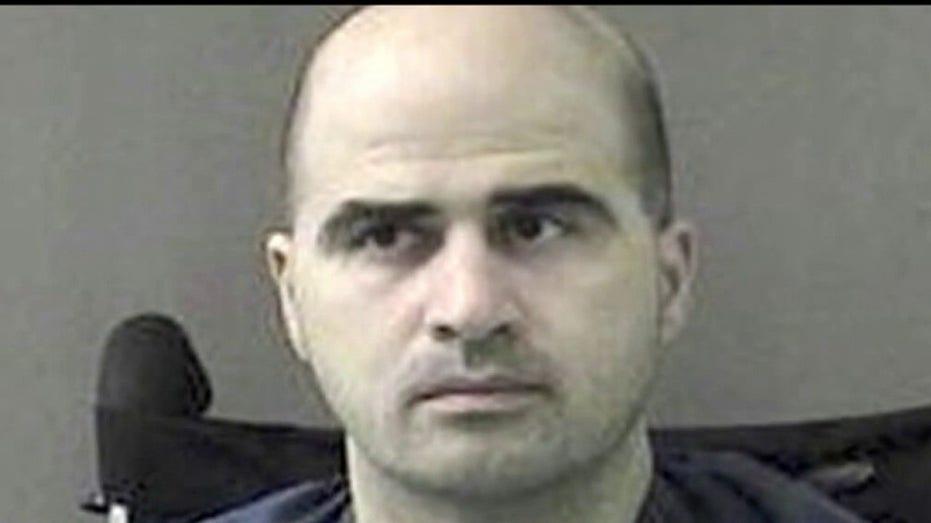
An execution date has been officially announced for Nidal Hasan, the former Army major and psychiatrist responsible for the tragic mass shooting at Fort Hood in 2009. This significant development comes nearly 17 years after Hasan killed 13 individuals and injured 32 others during the rampage.
On December 3 at 1 p.m., Hasan is scheduled to face execution by firing squad, a decision that has been approved by President Trump following a recommendation from Secretary of War Pete Hegseth. The Pentagon plans to livestream this historic event, marking the first execution of a U.S. military member since 1961.
Survivors of the Fort Hood shooting are grappling with a complicated range of emotions in light of this announcement. Julia Wilson, who was pregnant and on post during the attack, vividly recalls the chaos and terror she experienced that day. “I’m never going to see the face of my child. I’m not going to live through this, they’re going to cut him out of my corpse, what’s going to happen to him?” she reflected.
Wilson, along with other survivors, seeks to attend the execution to assert her presence as a testament to their resilience against Hasan’s violence. The memory of the harrowing gunfire, described by Wilson as rapid and intense, remains etched in her mind as she remembers the fear and uncertainty that enveloped the post that fateful day.
As the execution date approaches, legal experts caution that delays may still occur. Eugene Fidell, a military justice professor, notes that Hasan has the right to challenge his detention in federal court, which could extend the timeline significantly. “If he seeks habeas corpus, he will outlive the Trump administration because these cases last for years,” Fidell explained.
In addition to the legal proceedings, survivors are advocating for the shooting to be officially classified as an act of domestic terrorism rather than being labeled as “workplace violence.” This reclassification is crucial for accessing adequate support and benefits, particularly for civilian workers affected by the incident.
Wilson emphasizes that categorizing the event as domestic terrorism is essential for justice. “If you’re going to give justice, give full justice because it needs to be deemed domestic terrorism, not workplace violence,” she asserted. The current designation has hindered access to necessary care for many survivors, particularly those who were not physically injured but still suffer from the trauma.
Alongside the call for reclassification, Wilson is urging the administration to establish a dedicated benefits package for civilian employees who endured the same ordeal as military personnel. “We fought for 17 years to be heard, and we’ve been betrayed,” she lamented, expressing the ongoing struggle for recognition and support.
In her efforts to bring attention to these issues, Wilson has penned a letter to President Trump and authored a book detailing her experiences titled Rebellion of the Forgotten: The Fort Hood Massacre.