








Exploring Historic Houston Neighborhoods and Homes
Houston, the fourth largest city in the United States, boasts a rich tapestry of history woven through its diverse neighborhoods. Each area tells a unique story, shaped by the cultural influences of its residents and the architectural styles that define its landscape. From the grandeur of early 20th-century mansions to quaint bungalows from the post-war era, the homes of Houston are more than just places to live; they are reflections of the city’s evolution over time. This article delves into some of Houston’s most historic neighborhoods, uncovering the stories behind their captivating homes and highlighting the importance of preservation.
With its melting pot of cultures and vivid historical narrative, Houston has some of the most significant residential architecture in the southern United States. Each neighborhood has its character, offering a glimpse into the past while simultaneously evolving to meet the needs of its contemporary inhabitants. This exploration of Houston’s historic neighborhoods and their homes reveals the intricacies of American history, architecture, and community.
The Heights: A Blend of Charm and Modern Living
The Heights, one of Houston’s most iconic neighborhoods, is renowned for its Victorian-style architecture and vibrant arts scene. Located just northwest of downtown Houston, this historic district was originally developed in the late 19th century as a streetcar suburb. The stately homes here reflect the grandeur of the time, with flexible spaces that cater to modern living while preserving historical details.
Many of the homes in The Heights were built between 1890 and 1920, showcasing an impressive array of architectural styles, including Queen Anne, Colonial Revival, and Craftsman. Streets lined with oak trees and beautifully manicured lawns create a picturesque environment that attracts both families and young professionals. The neighborhood is often described as a fusion of historic charm and contemporary flair, evidenced by the numerous shops, restaurants, and art galleries that have emerged alongside the historic homes.
The preservation of these charming residences in The Heights is a testament to the community’s commitment to maintaining its historical integrity. A concerted effort by local organizations and residents has led to the revitalization of many homes that had fallen into disrepair. These initiatives not only enhance the neighborhood’s character but also contribute to the sustainable growth of the area. Events like the Heights’ annual home and garden tour showcase the neighborhood’s architectural treasures, drawing visitors from across the city to admire the stunning facades and lush gardens.
The Community’s Role in Preservation
In The Heights, the community plays an instrumental role in protecting its heritage. Homeowners often join forces to form neighborhood associations dedicated to preserving the aesthetic and historical aspects of their homes. These groups frequently organize events to educate residents about the significance of maintaining the architectural style and authenticity of their properties.
Additionally, local ordinances help safeguard the character of The Heights by regulating renovations and new constructions, ensuring that any modifications align with the neighborhood’s historical context. The efforts of these passionate individuals and organizations contribute to The Heights’ reputation as one of Houston’s most desirable places to live.
Montrose: Where Diversity Meets Historic Elegance
Venturing south from The Heights, Montrose stands out as a neighborhood celebrated for its eclectic mix of historic homes and cultural diversity. Originally developed in the early 1900s, Montrose has evolved into one of Houston’s most vibrant communities. The mix of single-family homes, apartment buildings, and lofts reflects the ongoing evolution of the area, catering to a diverse demographic.
The historic homes in Montrose include a wonderful variety of architectural styles, such as bungalows, Mission Revival, and mid-century modern. These residences highlight the city’s architectural development over the decades while providing a glimpse into the lives of the families who once called them home. Notable landmarks, such as the Menil Collection, a renowned art museum housed in a former church, underline Montrose’s importance as a cultural hub.
Some of the neighborhoods within Montrose, like the Richmond corridor, feature a unique blend of historic charm and modern adaptations. Many of the homes have been lovingly restored, combining their original features with contemporary design elements. Homeowners often integrate energy-efficient upgrades while retaining the aesthetic value, ensuring these properties are both environmentally friendly and architecturally significant.
Embracing Community and Culture
The cultural scene in Montrose complements its historic architecture, making it a unique place to live and explore. The neighborhood is home to a thriving arts community, with street art, galleries, and theaters contributing to a vibrant atmosphere. Annual events, such as the Montrose Arts Festival, showcase local artists and musicians, bringing residents together to celebrate their shared love for creativity and community.
Moreover, Montrose is synonymous with inclusivity and diversity, making it a welcoming environment for people from various backgrounds. This atmosphere fosters a sense of belonging and connection among residents, further strengthening the community’s commitment to preserving its historical and cultural heritage.
River Oaks: A Glimpse into Houston’s Affluent Past
River Oaks is often regarded as one of Houston’s most prestigious neighborhoods, characterized by its grand mansions and meticulously landscaped yards. Developed in the early 1900s as an exclusive residential area, River Oaks was designed to reflect the affluence and social status of its inhabitants. The neighborhood seamlessly blends sophistication with picturesque landscapes, showcasing stunning homes that have become icons of Houston’s architectural history.
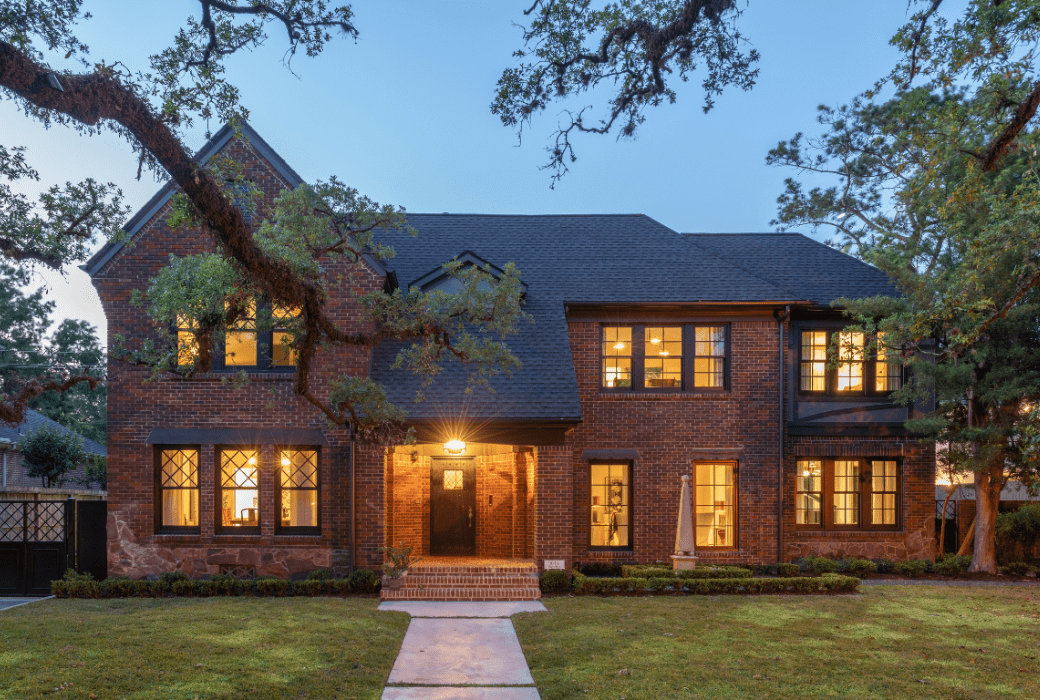
The architectural styles in River Oaks are as varied as its residents, including Mediterranean Revival, Tudor, and Modernist designs. Homes are typically large, with expansive gardens and private driveways, emphasizing opulence and grace. Many of these residences were commissioned by prominent Houston families, with their designs inspired by the architectural trends of their time, which adds a significant depth to the neighborhood’s allure.
Throughout the decades, River Oaks has managed to preserve its historical essence even as the city around it has expanded and modernized. Local preservation societies work diligently to protect these remarkable properties, initiating restoration projects to ensure that the homes maintain their authentic appearance. Events like the River Oaks Garden Club’s annual Azalea Trail draw attention to the neighborhood’s natural beauty, further enhancing its reputation as a refined community dedicated to conservation.
Luxury and Legacy
The legacy of River Oaks is not solely in its stunning residences but in the lifestyle it encapsulates. The neighborhood is synonymous with luxury living, featuring exclusive social clubs, high-end design retailers, and fine dining establishments. This sense of privilege makes River Oaks a sought-after location, appealing to those who appreciate history blended with modern amenities.
However, it is crucial for the community to balance modernization with the preservation of their historic homes. Residents and stakeholders often engage in discussions about new developments, ensuring that growth aligns with River Oaks’ vision of maintaining its historical aesthetic while accommodating the needs of its current residents.
Third Ward: The Heart of Houston’s African American Heritage
The Third Ward, one of Houston’s oldest neighborhoods, holds a crucial place in the city’s African American history. Once an area of flourishing black businesses and cultural institutions, Third Ward is now experiencing a revival that honors its legacy while promoting new development. The neighborhood is renowned for its historic homes, which served as the backdrop for significant events in the African American civil rights movement.
Homes in the Third Ward range from shotgun houses to more elaborate family residences, many of which date back to the early 1900s. These structures not only provide insights into the architectural styles of the era but also reflect the resilience and creativity of its residents. The history woven into these homes tells stories of struggle, triumph, and the powerful spirit of community.
As the neighborhood revitalizes, it faces challenges and opportunities. Community leaders are often at the forefront of this transformation, ensuring that projects consider the historical significance of the area while also addressing the needs of current residents. Community gardens, arts spaces, and cultural institutions are key components of this revival, helping connect history with the present and creating future pathways for the community.
Cultural Rebirth and Preservation Efforts
A strong cultural renaissance is underway in the Third Ward, as artists, entrepreneurs, and activists come together to breathe new life into the neighborhood. Events like the Third Ward Jazz Festival celebrate the area’s rich cultural history while promoting local talent. These gatherings foster a sense of belonging, encouraging reconnections with the past while building a vibrant future.
Preservation efforts play an essential role in this process, as residents work to maintain the historical integrity of their homes. Neighborhood associations and local non-profits engage in grassroots initiatives that educate residents on the importance of preservation. By empowering the community with knowledge and resources, the Third Ward not only honors its history but actively shapes its future.
Conclusion
Historic neighborhoods in Houston provide a captivating glimpse into the city’s past, illustrating the evolution of its architectural styles and cultural narratives. From The Heights to River Oaks, Montrose to the Third Ward, each neighborhood has a unique story to tell, characterized by a rich history and a dedicated community in charge of its preservation. As Houston continues to grow and change, the importance of these historic homes and neighborhoods remains paramount; they serve as reminders of the city’s diversity and resilience. By nurturing and celebrating these areas, Houston’s residents are not only safeguarding their own history but also embracing a shared future founded on legacy, culture, and community.