








On the same day the Electric Reliability Council of Texas (ERCOT) board approved a significant salary increase for its CEO, it also authorized a 30% pay raise for its members. This information has recently come to light, sparking considerable backlash.
Lieutenant Governor Dan Patrick has since urged the ERCOT board to reconsider these pay hikes. In a statement released on Thursday, he suggested they reverse their own increase, emphasizing that there are many Texans eager to fulfill the roles if the current members do not wish to serve.
Patrick’s criticism highlights a growing discontent over the board’s decision to raise compensation for top executives at ERCOT, especially amidst soaring electricity costs for Texas residents. He expressed doubt in the leadership of board chair Bill Flores after the board initially approved, then retracted, a raise for CEO Pablo Vegas.
Details of the Raises
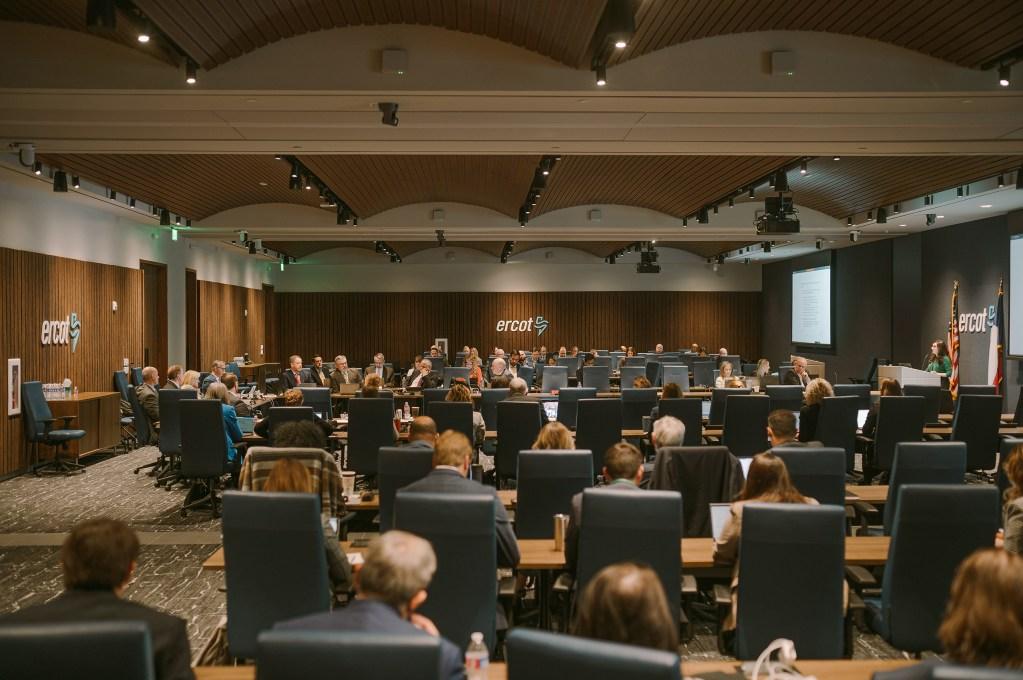
During the same meeting that addressed Vegas’ contract, board members voted to increase their average annual compensation to $219,375, up from $169,375. This increase represents a $50,000 annual boost for each of the eight board members, who meet quarterly to set ERCOT’s policies and hire the CEO. Flores, who already makes $160,000 annually, will now earn a total of $250,000 after an additional $5,000 raise as chair.
In comparison, board members of similar nonprofit grid operators earn an average of $150,889, according to a recent compensation study conducted for ERCOT.
Consultants from Meridian Compensation Partners LLC, who presented to the board, justified the raises by claiming they were essential for attracting and retaining high-caliber board directors amid competition from other grid operators and the private sector. They noted that the restrictions on board membership—prohibiting affiliations with companies doing business with ERCOT—make recruitment challenging.
ERCOT, primarily funded through an administration fee paid by electric customers, expects to generate nearly $486 million in revenue by 2026, according to its biennial budget for 2026-2027.
Political Reactions
Board appointments are made by a committee comprising the governor, the lieutenant governor, and the House Speaker. With upcoming elections in November, candidates, including Patrick, have focused their platforms on addressing rising costs, particularly in energy.
The Texas Consumer Association, an organization advocating for lower consumer expenses, criticized the ERCOT board’s decision. TCA President Sandie Haverlah stated that, as a quasi-public entity funded by consumer fees, ERCOT has a responsibility to act more judiciously, especially during times of economic uncertainty.
The controversy surrounding the board’s decisions escalated after reports emerged that ERCOT had approved a contract that could allow CEO Pablo Vegas to earn up to $6.4 million next year. Following this, Patrick publicly expressed his intent to reverse both the CEO’s raise and the board’s pay increase.
Despite Patrick’s claims, Vegas later clarified that no official vote had been held to counter the board’s earlier approval of his contract, indicating a lack of clarity in the situation.
Concerns About Board Accountability
Amid the growing tensions, Patrick reiterated his lack of confidence in ERCOT’s leadership, particularly targeting Chair Bill Flores for inconsistent communication regarding the contract and the board’s decisions.
<pThe board's vote to increase their compensation occurred towards the end of a regular meeting, and while it was unanimously approved, Flores abstained due to its direct impact on his salary. Patrick had previously communicated his disapproval of both the CEO's and board members' raises, stressing the need for ERCOT to maintain public trust.
As it stands, seven out of eight board positions are filled, with a search ongoing for the last member. The raises are part of a $150,000 “retention award” for board directors, to be distributed at the end of their three-year terms.
Flores defended the decision not to implement retroactive pay raises, citing concerns about the optics of such measures. Meanwhile, board director Julie England expressed skepticism about the effectiveness of the raises in retaining experienced directors.
As ERCOT navigates this tumultuous period, the implications of these decisions on the organization’s credibility and public perception remain to be seen.