







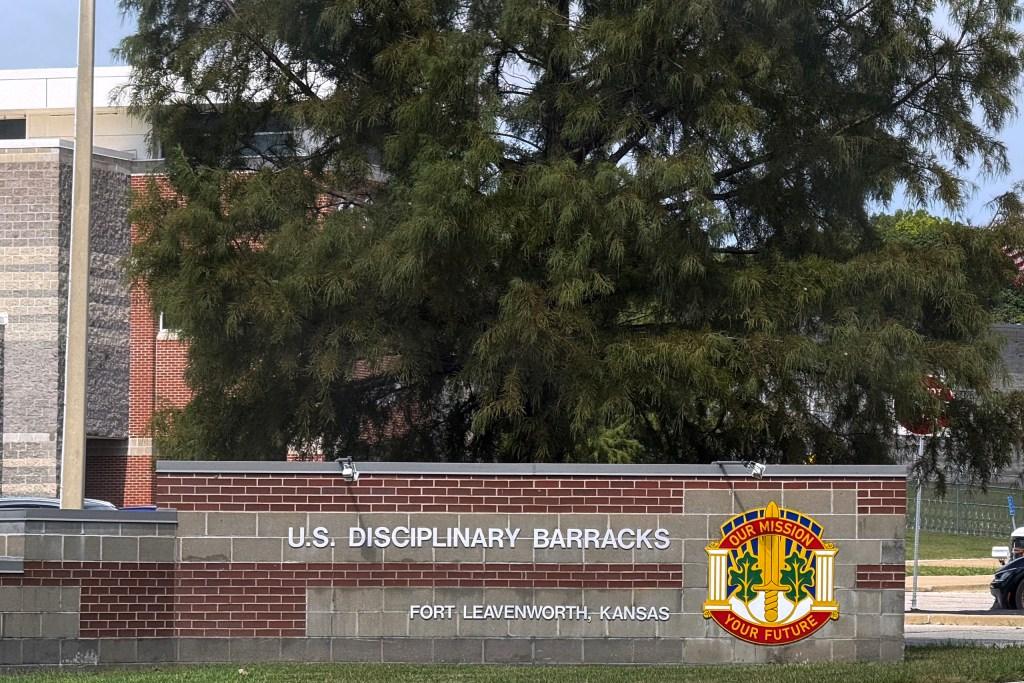
In a groundbreaking decision, the Pentagon announced on Thursday that the execution of Nidal Malik Hasan, the shooter responsible for the 2009 Fort Hood tragedy, will be livestreamed. This marks the first military execution in over six decades and follows Defense Secretary Pete Hegseth’s comments about making the event public.
The Army confirmed that Hasan’s execution will occur at Fort Hood on December 3, after he was found guilty of killing 13 individuals and injuring 32 during the shooting at the military installation. Hegseth, in an interview with a conservative media outlet, stated, “We’ll make sure that people are able to watch it, that it’s public.” Following his remarks, Pentagon officials clarified that the execution would indeed be streamed live, with further details to be revealed soon.
This announcement has sparked a debate regarding the implications of public executions in the United States, especially in light of recent controversies surrounding methods of capital punishment, such as the flawed lethal injection of Christa Pike in Tennessee.
Legal experts have differing opinions on the potential outcome of Hasan’s execution. It is possible that he could file a habeas petition in civilian court to challenge his execution, which could lead to significant delays. Eugene R. Fidell, a Yale Law School lecturer specializing in military law, suggested that the process might extend beyond the current administration’s term, raising questions about future policies on capital punishment.
Deborah Denno, a death penalty scholar at Fordham University, noted that livestreaming the execution could enhance transparency, allowing the public to engage more meaningfully with the realities of capital punishment. She emphasized the importance of public awareness, especially after the controversies surrounding lethal injections.
As states face challenges in administering lethal injections due to drug shortages and a lack of willing medical professionals, firing squads are increasingly viewed as a more straightforward option. Brenner Fissell, a professor at Villanova Law, indicated that firing squads could be seen as a more efficient method of execution, while also suggesting that there are underlying cultural motivations associated with this choice.
Elisabeth Semel, co-director of the Death Penalty Clinic at UC Berkeley Law, raised critical concerns about the implications of Hegseth’s announcement, questioning the dignity of the defendant and the motivations behind making the execution a public event. She expressed skepticism regarding the government’s consideration of the legal and social ramifications of their decision.
Despite his approval of Hasan’s execution, President Trump has previously condemned public executions in Iran, using such instances to justify military actions in the region. His administration’s approach to Hasan’s case appears contradictory to his past statements.
As for Hasan, who was paralyzed from the waist down during his apprehension, it remains uncertain whether he will seek to appeal his execution. He has previously expressed a desire for martyrdom during his trial, where he represented himself and did not mount a significant defense.
Attorney John Galligan, who has represented Hasan in various civil matters, raised concerns about Hasan’s access to legal counsel and his physical condition under the current execution plan. The Army responded that they had made efforts to contact Hasan’s attorneys, asserting that their policies were followed.
Hegseth noted that the last military execution by firing squad took place during World War II, with the last military execution occurring in 1961. Amnesty International reported at least 17 public executions in 2025, primarily in Iran and Afghanistan, highlighting the global context of capital punishment practices.