








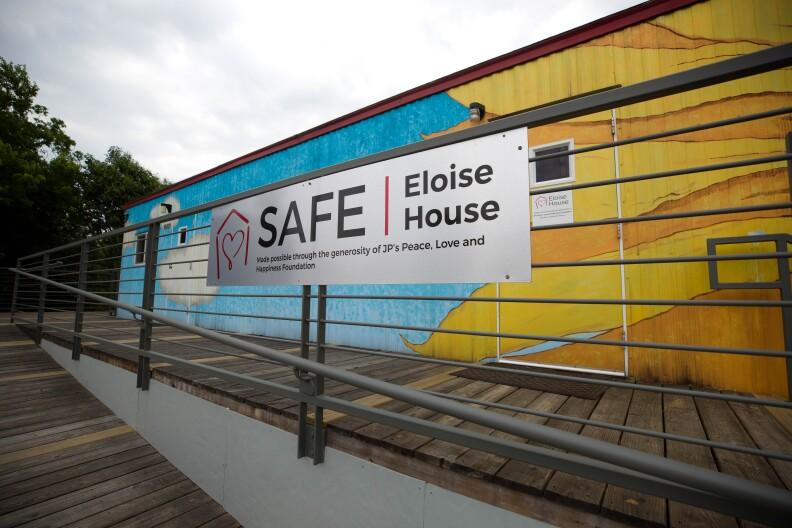
The SAFE Alliance has announced that it will discontinue its forensic exams for sexual assault survivors later this year due to a significant funding shortfall. Local hospitals will assume responsibility for providing these critical services following the closure of the Eloise House program.
Mayor Kirk Watson confirmed that several hospitals in the area will step in to ensure that sexual assault survivors receive forensic examinations after the SAFE Alliance revealed that it is facing a $4 million funding deficit, leading to the potential shutdown of four of its programs. The SAFE Alliance plans to offer these services until the end of May, after which the hospitals will take over.
The forensic exams are vital for collecting evidence used by Austin police and district attorneys in the investigation and prosecution of sexual violence cases. The Eloise House program has facilitated approximately 600 exams each year and also provides advocates to support survivors throughout their recovery journey. This advocacy service is expected to continue despite the program’s closure.
In addition to the Eloise House program, other initiatives at risk include a downtown shelter, the Planet Safe program for secure child exchanges, and SAFE Futures, which aims to keep children with their parents.
The SAFE Alliance requires nearly $1.7 million to keep the Eloise House operational. CEO Pierre Berastaín has noted a decline in funding from local, state, and federal sources, along with reduced donor contributions, which has contributed to the financial crisis.
In recent weeks, Mayor Watson has worked to facilitate discussions among local hospitals, including Ascension Seton, Baylor Scott & White, and St. David’s Healthcare, to explore ways to maintain these essential services.
“Our priority has always been, and must always be, to focus on sexual assault survivors and ensure they receive the care and services they deserve,” Watson stated.
While the SAFE Alliance did not provide immediate comments on the situation, Watson emphasized that the focus should remain on survivors and their needs. “We’ve worked hard, and I’m pleased that the hospitals are committed to finding a solution for our community and the survivors of sexual assault. They will have the services they need, which has always been our priority,” he added.
In a joint statement, the hospitals expressed their dedication to collaborating with the Brave Alliance, another organization that offers forensic exams and support services, to develop a sustainable plan moving forward. “Our focus remains on creating coordinated solutions that prioritize patient needs both now and in the future,” the hospitals affirmed.
Officials from the Brave Alliance indicated that they intend to maintain adequate staffing and operational capacity to provide 24/7 coverage and timely, victim-centered care.
It remains uncertain what impact this funding crisis will have on the other programs identified as facing closure.