








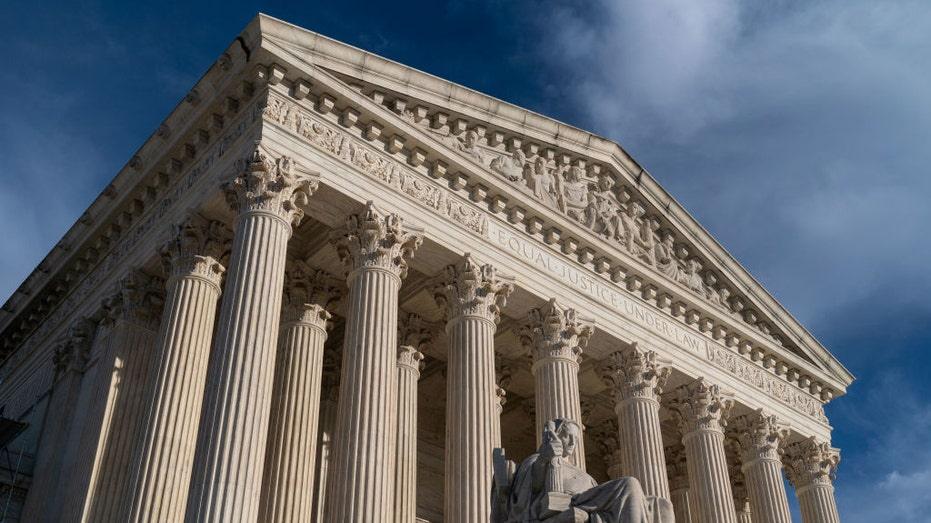
The Supreme Court has declared unconstitutional a federal law that barred individuals classified as unlawful drug users from possessing firearms. This landmark decision significantly undermines government efforts aimed at disarming those who use drugs, including marijuana.
In a ruling announced by Justice Neil Gorsuch, the court sided with Ali Danial Hemani, a North Texas resident who openly admitted to using marijuana several times a week. The justices concluded that the legal actions taken against Hemani were in violation of his Second Amendment rights.
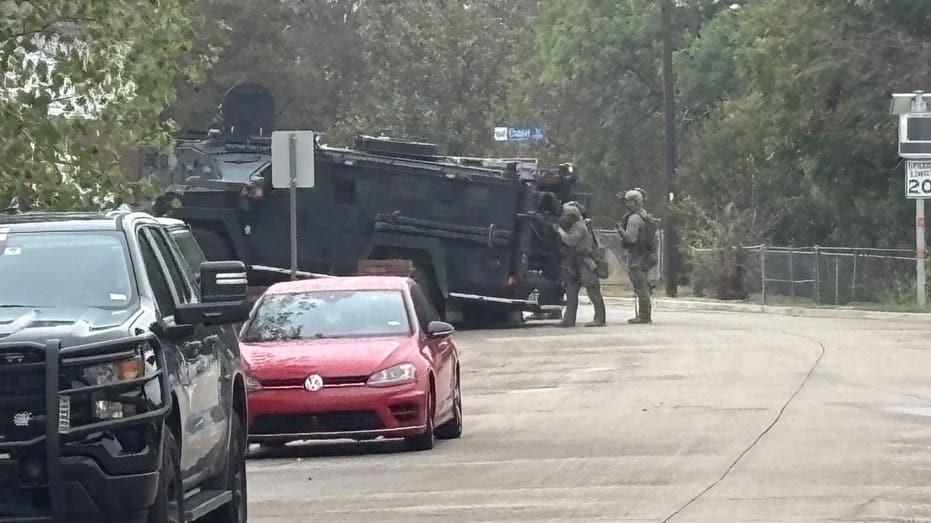
Hemani, a dual citizen of the United States and Pakistan, has lived primarily in the Dallas area. The legal turmoil began in 2022 when law enforcement searched his family home under suspicions related to terrorism. During that search, Hemani cooperated fully, surrendering a firearm and acknowledging his marijuana use. However, no charges related to terrorism or drug trafficking were filed against him. Instead, he faced an indictment under 18 U.S.C. § 922(g)(3), which carries a potential sentence of up to 15 years in prison and a lifetime prohibition on firearm possession.
Hemani contested the indictment, arguing that the law violated his Second Amendment rights. Both a federal district court and the Fifth Circuit Court of Appeals ruled in his favor, leading to the Supreme Court’s involvement.
The ruling effectively nullifies the enforcement of 18 U.S.C. § 922(g)(3), a provision of the Gun Control Act that automatically revokes the right to bear arms from individuals identified as unlawful users of controlled substances. The law imposed severe penalties without necessitating proof of actual harm or impairment.
In his opinion, Gorsuch emphasized the judiciary’s responsibility to intervene when governmental regulations cross into unconstitutional territory. He criticized the government’s attempts to justify the law by likening contemporary drug users to historical “habitual drunkards,” stating that such comparisons were unfounded and ultimately failed to hold up under scrutiny.
The court pointed out that historical definitions of “habitual drunkard” applied to individuals whose alcohol consumption led to incapacitation or an inability to manage their affairs. In stark contrast, the current law could disarm anyone who used controlled substances, regardless of their level of impairment or danger they posed, including individuals using prescribed medication.
Furthermore, the court noted that historical laws included due process protections, such as jury trials or court hearings, before individuals could lose their rights. In contrast, § 922(g)(3) enacted an immediate and automatic forfeiture of constitutional rights without such safeguards.
The case, known as United States v. Hemani, reached the Supreme Court following a previous decision by the U.S. Court of Appeals for the Fifth Circuit.