








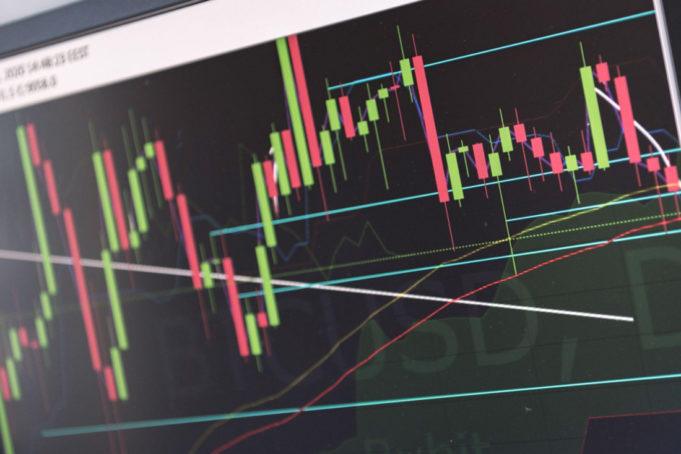
Prediction markets offer a dynamic platform for individuals to engage with anticipated future events through market-driven prices. Instead of merely absorbing forecasts or opinions, participants have the opportunity to buy and sell contracts linked to specific outcomes. These outcomes can span various domains, including sports, politics, entertainment, finance, technology, culture, and public events. The fundamental principle is straightforward: the market price serves as a reflection of participants’ beliefs regarding the likelihood of an event occurring.
For newcomers, the concept of prediction markets may initially seem daunting due to its use of industry jargon such as contracts, prices, liquidity, and probability. However, once these components are unpacked, the underlying process becomes easier to grasp. This guide aims to elucidate the workings of prediction markets, interpret pricing, and provide a structured approach for novice participants before they dive in.
Understanding Prediction Markets
Prediction markets transform future events into tradable contracts, each associated with a specific outcome—be it the victory of a political candidate, the recognition of a film with an award, or a company achieving a significant milestone. The contract’s price fluctuates in response to participants’ reactions to new information. An increase in belief regarding an outcome may result in a price surge, while a decline in confidence will typically see the price drop.
This characteristic distinguishes prediction markets from traditional polls or expert predictions. While polls capture stated opinions and forecasts outline likely scenarios, prediction markets provide a real-time indicator of how participants value an outcome. The resulting market price offers a comprehensive view by amalgamating numerous perspectives into a single, visible figure. Newcomers should view prediction markets as tools for tracking evolving expectations rather than just endpoints.
Decoding Market Prices
At the core of prediction markets are market prices, which embody the collective expectations regarding future events. A contract priced at 60 cents signifies an approximate 60% chance of the outcome occurring, whereas one priced at 25 cents suggests a considerably lower probability.
Many beginners approach prediction markets by contrasting their own assessments with prevailing market prices. If an individual believes an outcome is more likely than indicated by the market, they may see the contract as undervalued. This approach demands more than mere speculation; making informed decisions relies on thorough research, staying updated, and comprehending the rationale behind price movements. The objective is to interpret the market accurately, as prices can shift rapidly with the emergence of new information, necessitating close attention to timing, context, and the quality of the underlying data.
Selecting Your Initial Markets
New participants should commence their journey with topics they are already familiar with, as this familiarity can enhance their ability to assess whether a market price is reasonable. For instance, someone who regularly follows technology news may find it easier to navigate markets related to product launches or regulatory changes, while an entertainment enthusiast might gravitate towards award shows or cultural events.
Opting for clear markets can be particularly advantageous for beginners. An effective market poses a specific question, defines the outcome clearly, and has an established settlement process. Ambiguous inquiries can lead to confusion among participants regarding what constitutes a correct result. Additionally, seeking out markets with active participation is beneficial, as greater activity typically results in more interpretable prices and manageable positions.
Starting with manageable stakes in familiar areas allows newcomers to acclimate to the structure without feeling overwhelmed. Once they grasp the fundamental process, they can confidently branch out into more diverse topics.
Developing a Strategic Approach
A well-informed strategy begins with diligent research. Before engaging in a market, participants should familiarize themselves with the event, its timeline, and the information that could influence the outcome. Valuable research sources may encompass official announcements, public data, credible news articles, expert insights, and historical trends. The strongest decisions often arise from synthesizing multiple sources rather than relying on a single headline.
Keeping a record of the reasoning behind each decision is also beneficial. A simple note can document the market, entry price, anticipated outcome, and key information behind the choice. This practice creates a reference that can be revisited later.
Over time, participants will identify the markets they understand well and those where their instincts may falter. This process fosters refinement of judgment, as prediction markets tend to reward critical and disciplined thought. Beginners should resist the urge to react impulsively to every price fluctuation and instead concentrate on whether new information genuinely alters the outlook.
Gaining Insights from Market Movements
Market movements can provide valuable insights into how expectations evolve. Prices often fluctuate in response to significant announcements, public statements, data releases, or unforeseen events. Monitoring these changes enables participants to discern which types of information significantly alter expectations and which have minimal impact. Some updates may elicit immediate reactions, while others may not affect prices if they were already anticipated by the market.
This characteristic underscores the utility of prediction markets, even for those still in the learning phase. They illustrate how groups process information in real-time. By comparing market movements to their own expectations, beginners can analyze sharp price shifts and assess whether the reactions are justified.
Another beneficial habit is to observe how market expectations evolve over time. Analyzing price movements across days, weeks, or months can unveil trends that are not readily apparent from isolated snapshots. This broader perspective aids participants in understanding how confidence builds around an outcome and why certain events exert a greater influence than others. It also highlights the distinction between new information that shifts the market and expectations that were already factored in, clarifying what constitutes a surprise compared to what participants had previously accounted for.
Ultimately, this ongoing process cultivates sharper judgment. Participants learn to distinguish significant signals from noise and become more adept at interpreting probability through price. The more diligently they study market movements, the easier it becomes to understand how prediction markets reflect public sentiment.
Transforming Curiosity into Informed Decisions
Prediction markets provide a structured framework for tracking and analyzing future events. They empower participants to compare information, gauge public expectations, and respond to evolving circumstances. For beginners, the path to success is straightforward: start with familiar topics, learn how prices represent probabilities, select clear markets, and maintain a record of decisions.
The true value of prediction markets lies in the cultivation of disciplined thought. Each market prompts participants to form their own opinions, compare them with existing prices, and evaluate the significance of any discrepancies. With time and practice, newcomers can advance from mere curiosity to confident participation.