









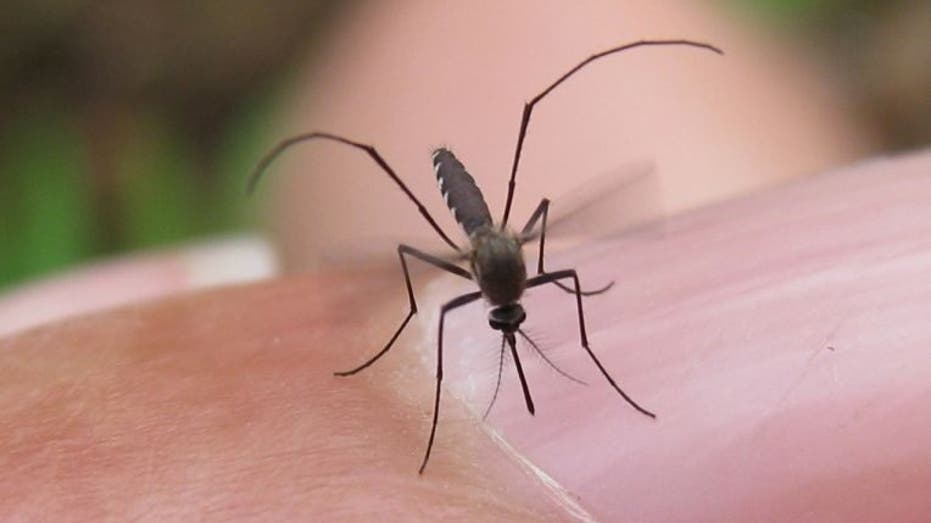
Another mosquito trap has tested positive for West Nile virus in Hays County, marking a significant health concern for the local community.
The latest sample was collected on September 1 in Wimberley, specifically in the 78675 ZIP code area. This finding represents the ninth instance of West Nile virus detected in mosquito pools within Hays County this summer.
In response to this ongoing issue, Hays County Judge and Emergency Management Director Ruben Becerra emphasized the importance of community cooperation in combating mosquito-borne illnesses. He urged residents to adopt the “three Ds” approach—Defend, Dress, and Drain—as part of their daily routines. “By taking a few simple precautions and looking out for one another, we can help reduce the risk of West Nile Virus in our community,” Becerra stated.
Precinct 3 Commissioner Morgan Hammer echoed these sentiments, reminding Wimberley residents to remain vigilant as mosquito season progresses. He highlighted that simple actions, such as eliminating standing water around homes and using insect repellent outdoors, can significantly mitigate risks. Hammer also expressed gratitude for the efforts of the Development Services team in monitoring mosquito activity and keeping the public informed.
West Nile virus is transmitted through infected mosquitoes, which are most active from May to November. Symptoms of infection can range from fever, headaches, body aches, and joint pain to vomiting, diarrhea, and skin rashes. Notably, about 80% of those infected typically do not exhibit any symptoms. While the likelihood of severe symptoms is low, individuals over 50 and those with weakened immune systems are at greater risk for more serious health issues, including stiffness, disorientation, and, in rare cases, death.
Symptoms generally last from three to six days, but some individuals may experience fatigue and weakness that lingers for weeks or even months. Currently, there is no specific treatment for West Nile virus.
To help prevent mosquito breeding, the public is encouraged to take proactive measures. Mosquitoes can reproduce in as little as one teaspoon of standing water, so it is crucial to eliminate all sources of stagnant water around homes and properties. The “three Ds” serve as a helpful reminder for effective prevention:
- Defend: Use EPA-approved insect repellents when outdoors and follow all label instructions.
- Dress: Wear long, loose, and light-colored clothing when outside.
- Drain: Drain or treat any standing water in and around your home or workplace to eliminate potential breeding sites.
For further information, residents may visit the Hays County Development Services website or contact them directly at (512) 393-2150.