






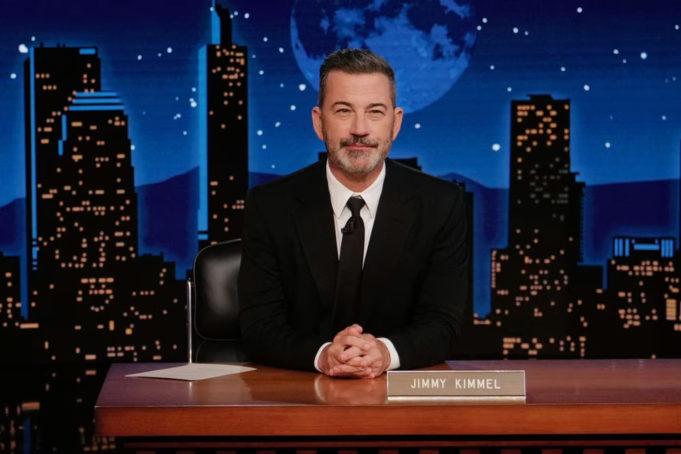
In a recent monologue, late-night host Jimmy Kimmel revealed that he will exclusively release his interview with Democratic U.S. Senate candidate James Talarico on YouTube, rather than airing it on his show, Jimmy Kimmel Live! The decision comes in response to threats from Donald Trump and his Federal Communications Commission (FCC), which Kimmel claims have pressured him, ABC, and its affiliates regarding editorial choices and guest bookings that the FCC disapproves of.
Kimmel stated, “Trump’s FCC has threatened me, threatened our show, threatened our network, ABC, our affiliates, our local stations, based on simple, traditional editorial decisions, guest bookings it would seem they don’t like.” He characterized these actions as a clear instance of censorship.
Media coverage of the situation has been notably subdued. Outlets like The New York Times and NBC News have referred to the circumstances surrounding Kimmel’s interview as “unusual” or have cited FCC threats without explicitly labeling them as censorship. The Los Angeles Times and Yahoo echoed similar sentiments, but the term “censored” remains conspicuously absent from their reports.
Kimmel’s decision to move the interview online aligns with Talarico’s rising political profile, as he has recently outpaced Republican nominee Ken Paxton in several polls. Paxton is mired in various scandals, including securities fraud and impeachment efforts, which have likely spurred Republican interests to limit Talarico’s visibility in the media. Historically, Kimmel has maintained a tradition of interviewing political figures, including Trump and Ted Cruz, a practice that dates back to the legacy of David Letterman.
In a separate event, Trump, during a rally in Dallas, made headlines by promising $5,000 checks to every adult American if the Republicans maintain control of Congress after the upcoming midterms, an act many view as a blatant attempt to buy votes, violating federal law regarding expenditures to influence voting.
With Kimmel’s situation echoing that of fellow late-night host Stephen Colbert, who similarly faced pressure from CBS to remove an interview with Talarico, the ongoing suppression of political discourse in the media raises significant concerns. Such actions threaten the First Amendment and set a dangerous precedent where criticism of the government may lead to punitive measures.
This situation reflects a troubling trend that could ultimately impact all forms of expression, underscoring the need for vigilance in protecting free speech in America.