







McKINNEY — Liz Slack, a longtime resident of Collin County and a former consistent Republican voter, has found herself re-evaluating her political affiliations as the GOP has shifted further to the right over the past decade. Once a staunch supporter of the party, Slack, who embodies a typical conservative image as a Baylor University alum and a regular attendee of Bible study, has noticed a growing disconnect between her center-right values and the evolving Republican platform.
In the 2016 and 2018 elections, Slack remained loyal to the GOP. However, disillusionment set in during the Trump administration, prompting her to assess her votes more critically. In 2024, she cast her ballot for Democrats Kamala Harris for president and Colin Allred for U.S. Senate, and she is now planning to support James Talarico this fall.
“It’s kind of funny, because in my mind, I don’t know that I’ve accepted that I’ve switched,” Slack remarked, recalling a friend’s insistence that she embrace her new affiliation. “You’re a Democrat now. Just accept it!”
Slack represents a demographic that the Republican Party has struggled to retain in recent elections: college-educated suburban women. While the GOP has mitigated losses in Texas by attracting non-college educated voters of color, the changing demographics in suburban areas like McKinney are becoming increasingly significant for both parties as they vie for dominance in a state that is losing its deep red hue.
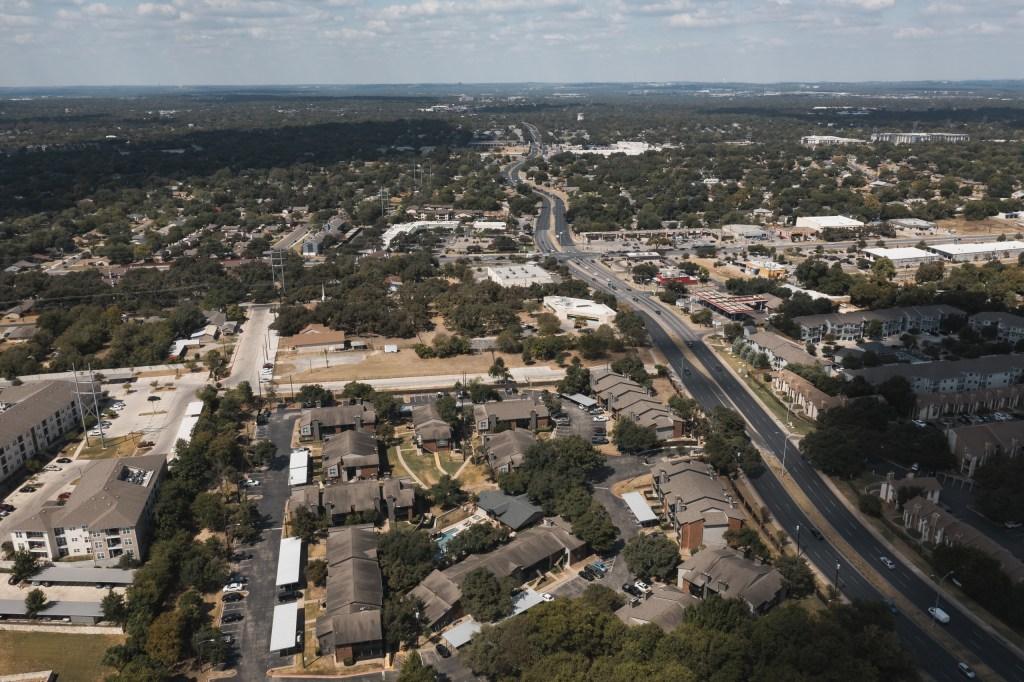
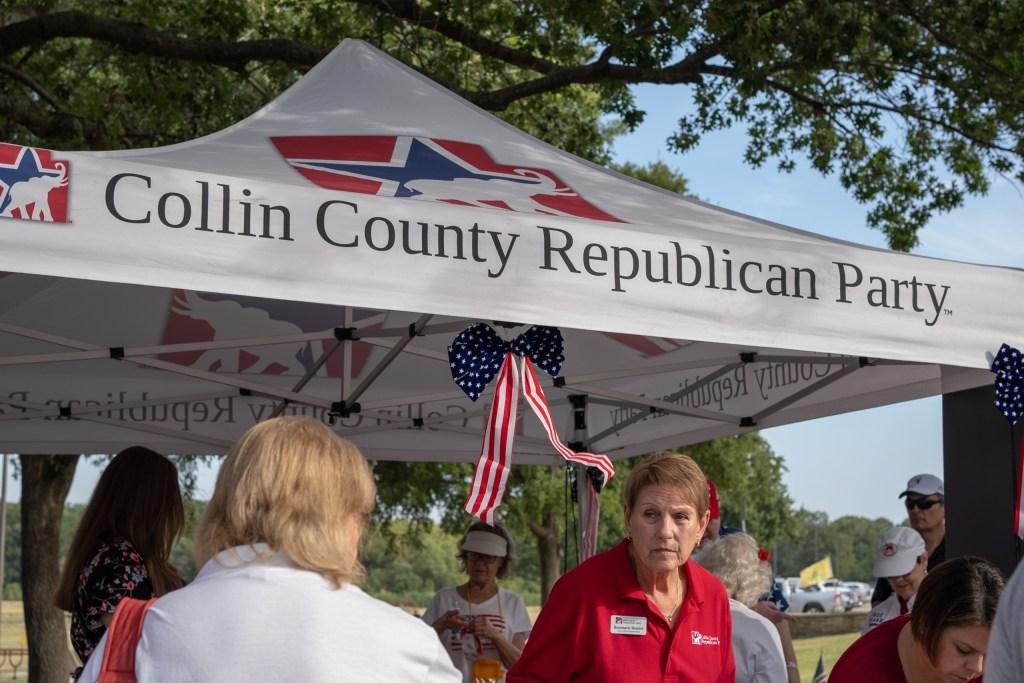
Collin County, where Paxton began his political journey as a state representative in 2003 and later served as attorney general, exemplifies these shifting patterns. Traditionally a Republican bastion, the county is now a focal point for both parties, especially as statewide Democratic candidates aim to break the century-long streak of losing to Republicans in this populous area.
For Talarico, victory in Collin County is essential. He launched his final statewide campaign tour in Plano just before early voting commenced, while Paxton held events in the same region, highlighting its importance to both campaigns. “For 10 years, it’s been getting a little purpler,” commented Shelby Williams, a former Collin County GOP chair and current County Commission candidate, underscoring the GOP’s historical efforts to solidify their hold on the area.
Population growth and increasing diversity are driving the political shift in Collin County. The population has more than doubled since 2000, reaching nearly 1.3 million residents. Four of the five fastest-growing cities in the nation are located here, and over half of the residents hold at least a bachelor’s degree, with a median household income of $121,600 — the second highest in Texas.
Demographically, the county is becoming one of the most diverse in Texas, with approximately 45% white, 23% Asian, 17% Hispanic, and 12% Black residents. Notably, Collin County boasts the state’s second-largest Asian population, a demographic where Republicans have recently made inroads. However, rising anti-Indian sentiment among GOP candidates could prove detrimental to their prospects in the upcoming election.
“Collin County’s been moving towards a blue county for a while now, and that had a lot to do with our population growth,” stated Jeremy Sutka, chair of the Collin County Democratic Party. “There’s already a path that was heading there. What’s happening in 2026 is really a matter of whether or not we can accelerate that path.”
Historically, Collin County transitioned from a farming community to a vital part of the metro economy as it suburbanized in the latter half of the 20th century. By 2000, it had nearly 500,000 residents and was firmly Republican. However, in recent decades, the county has experienced a political evolution, voting increasingly Democratic. In the 2020 presidential election, Collin County leaned left for the first time in years, despite still supporting some GOP candidates.
The purpling of Collin County can be attributed to its economic allure, which attracts residents motivated by job opportunities rather than ideological alignment. “Collin is sort of a dark horse county for the Democrats,” noted GOP operative Ross Hunt, highlighting the shift in political dynamics.
Despite this, Republicans caution against attributing the county’s changes solely to newcomers. Williams pointed out that in the 2018 election, native Texans favored Democrat Beto O’Rourke, while Cruz appealed to transplants. “Everybody blamed the people from California,” she remarked, emphasizing the diverse reasons behind the shifting political landscape.
Democrats are now looking to capitalize on the county’s sizable Indian and Muslim American populations, although they face challenges. Republicans have historically attracted a larger share of South Asian voters compared to national trends. Recent anti-Indian sentiments within the GOP, particularly during public remarks and city council meetings, have sparked significant backlash and could play a crucial role in shaping the upcoming election.
In September, a controversial post by a Republican candidate regarding South Asian students ignited outrage, further complicating the GOP’s standing within these communities. Sutka noted that early voting data indicates increased turnout in neighborhoods with significant Indian populations, suggesting a potential shift in voter engagement.
On the ground, Democratic candidates are actively engaging with constituents, drawing connections between local issues and broader Republican controversies. During a recent campaign walk, Brittany Black, a Democratic candidate, emphasized the issue of corruption, linking it to Paxton’s impeachment and its implications for local races. Many voters are expressing frustration with the political climate, leading to potential split-ticket voting.
Anne Bramlett, a longtime Republican voter, has also begun to stray from party loyalty, driven by concerns over GOP positions on critical issues affecting her family. She plans to support Talarico for Senate while still considering local Republican candidates, embodying the complexity of voter sentiment in the evolving political landscape of Collin County.