






Texas’ rapidly growing suburbs have emerged as crucial political battlegrounds, with their voting patterns in the upcoming election potentially determining key races, including the highly contested U.S. Senate seat and numerous critical legislative positions.
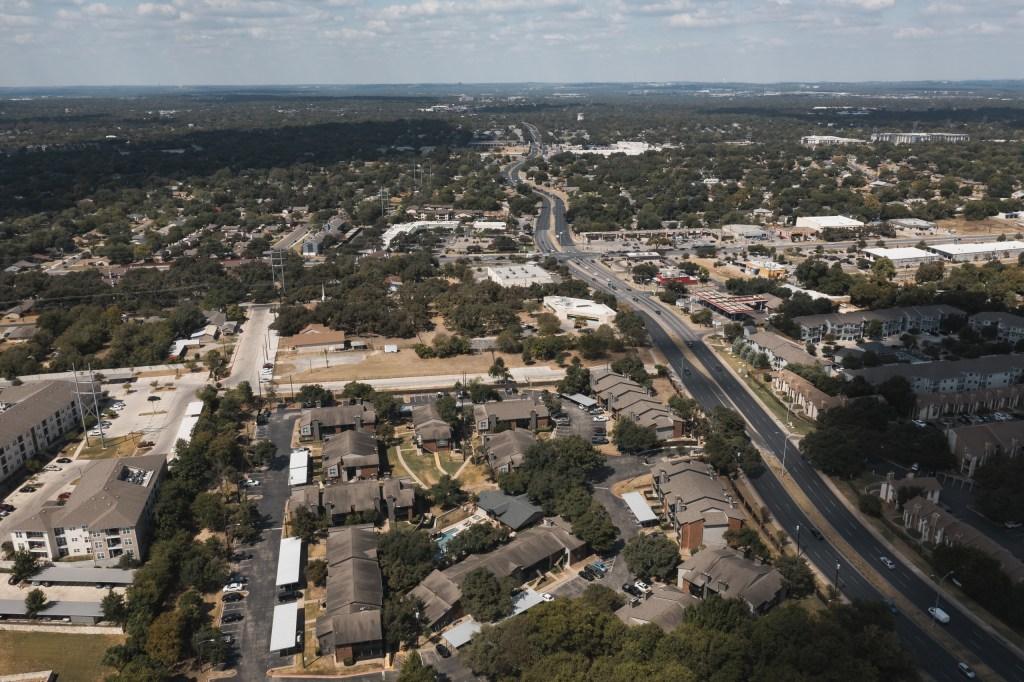
Historically, Texas suburbs have served as a transitional zone between the Democratic strongholds of urban areas and the staunchly Republican rural regions. However, this landscape is shifting as formerly rural regions transform into suburban hubs, leading to increased diversity and population growth in these areas. With each election cycle, suburban counties are becoming a more significant part of the electorate.
Democrats have managed to maintain a steady presence in the suburbs since 2018, even as the state has tilted more conservative overall. Yet, the behavior of suburban voters is not uniform, even among neighboring areas. For instance, in the Dallas-Fort Worth region, the inner-ring suburb of Irving saw a notable 15-point shift toward Republican candidates between 2020 and 2024, while Plano, located further from the urban core, experienced a more modest 6-point shift. Conversely, Midlothian, a suburb on the outskirts, leaned almost 9 points toward Democrats, although it continues to favor Republican candidates overall.
Both leading candidates for the U.S. Senate have roots in suburban legislative positions: Republican Ken Paxton began his political career in McKinney in 2002, while Democrat James Talarico was elected in Round Rock in 2018.
To secure a victory in Texas, Talarico and other Democrats must surpass previous party performance in these suburban areas, aiming for historic turnout amidst population growth and dissatisfaction with former President Donald Trump’s approval ratings. Conversely, Paxton and his allies must stabilize their support within the suburbs, preventing a possible Democratic surge from gaining too much momentum.
The stakes are high, with numerous key races for local governing bodies and state legislative seats at play across suburban Texas.
The Texas Tribune has identified 16 counties as “suburban,” using the National Center for Health Statistics’ 2023 urban-rural classification scheme, which includes large fringe metropolitan areas with populations over 50,000. This approach excludes more remote exurbs and rural regions while focusing on counties that exhibit characteristics typical of suburban living.
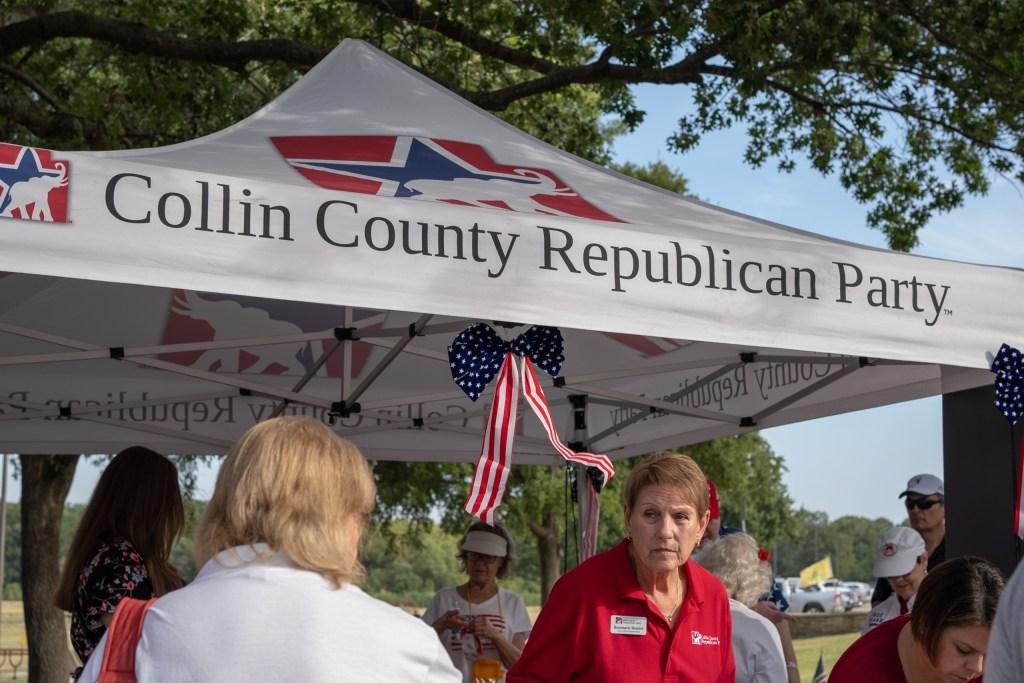
One notable exception to this classification is Collin County, which is often regarded as a suburban area despite being labeled a “large central metro” by the NCHS due to its significant population size and proximity to major urban centers.
The identified suburban counties vary greatly in population, from Collin County’s nearly 1.2 million residents to Rockwall and Hunt Counties, which boast populations between 120,000 and 145,000. The political leanings of these counties also differ, with Fort Bend and Hays counties showing a slight Democratic preference in recent elections, while smaller counties like Parker and Comal remain staunchly Republican. Notably, Montgomery County provided a significant vote margin for Trump in 2024, surpassing any other U.S. county.
Texas suburbs are becoming a more prominent segment of the electorate with each election cycle. Over the past eight years, the 16 counties categorized as suburban have grown from approximately one-fifth to nearly one-quarter of the state’s registered voters, reflecting steady increases in their populations.
This growth is particularly pronounced in outer-ring suburban areas and exurbs within the Texas Triangle, which encompasses Dallas-Fort Worth, Houston, San Antonio, and Austin. Much of this demographic shift results from an influx of residents relocating from other parts of Texas and beyond.
Since 2012, every suburban county identified has seen an increase of at least 30% in registered voters, with Comal County experiencing an impressive 83% growth, marking the highest increase among these areas.
In addition to population growth, Texas suburbs are becoming increasingly diverse. In 2014, people of color constituted 40% of the population in the 16 counties, but by 2024, they are projected to make up nearly half. This diversification is influencing the political landscape in the lead-up to the 2026 elections.
In both Collin and Fort Bend counties, which each have a significant Asian demographic, the voting behavior of Indian American and Vietnamese American communities will play a critical role in shaping local elections. National trends indicate that Democrats tend to perform better among Indian Americans, while Vietnamese Americans usually lean Republican. However, Republicans have made notable strides with Indian American voters in Texas, complicating the predicted leftward trend in these suburban areas.
Democrats are optimistic about improving their standings with Asian American voters this election cycle, particularly in light of widespread economic discontent and an uptick in anti-Indian sentiment from some Republican activists in the Dallas suburbs.
As these suburban regions expand, they also become more diverse. Hays and Williamson counties in the Austin area exemplify this trend, each growing by over 23% from 2020 to 2025, while the white population in these counties dips below 50%.
When Ted Cruz campaigned for Senate in 2012, he enjoyed overwhelming support in the Dallas-Fort Worth suburbs. However, the political map has shifted significantly since then. By 2018, Cruz’s margins in Collin and Denton counties had decreased, and Democrat Beto O’Rourke even managed to win a district anchored in Plano. Areas in northwestern Dallas County transitioned from Republican to Democratic representation, contributing to a shift in six state house seats toward Democrats that year.
In 2024, while Cruz managed to perform better overall than in 2018, the suburban counties of Collin and Denton remained relatively unchanged, even as the state leaned more conservative.
While Texas suburbs continue to lean Republican, the degree of that support has diminished in recent years. Montgomery County, for instance, has consistently voted Republican in every Senate race since 1988, but Fort Bend County broke the trend in 2018 by supporting a Democratic candidate for the first time in three decades, a pattern it has maintained since.
Though suburban counties largely remain red, the margins have significantly narrowed. Cruz won these areas by 33 points in 2012, but that lead shrank to 15 points by 2018 — a critical reduction that contributed to his narrow loss in overall votes across Texas.
Political analysts attribute this shift to a combination of factors, including an influx of new residents from out of state and growing discontent among long-time suburban Republicans with the party’s transformation under Trump. Many former Republicans, like Barry Jacobs, have expressed disappointment with the party’s direction and have shifted their support to Democrats, illustrating a potential trend among center-right voters in suburban areas.
In Texas, population growth in suburban regions correlates with a shift toward Democratic voting patterns. Each suburban county has outpaced the state’s overall growth rate since 2012, with twelve of the sixteen counties also leaning more Democratic than the state average in recent elections.
The most significant political shifts are evident in the two most populous suburban counties, Collin and Denton, which moved 26 and 24 points toward Democrats, respectively. This trend extends to presidential races as well, where despite Texas overall trending right, Democratic candidates outperformed their predecessors in 14 of the 16 suburban counties.
The demographic changes in the Dallas-Fort Worth suburbs can largely be attributed to an influx of residents from other states, particularly California. Many new arrivals hail from top metropolitan areas, including Phoenix, Chicago, Seattle, and Las Vegas.
While some Texas residents express concern about the political implications of this migration, research suggests that newcomers may not necessarily bring liberal ideologies with them. Historical voting patterns show that people born in Texas tend to favor Democratic candidates, while those who have moved from other states, particularly California, have leaned more Republican.
As the political landscape continues to evolve, the interactions and tensions between long-time Texans and newcomers will likely shape the future of suburban politics in the state.