







The ongoing conflict between the U.S. and Iran is leading to increased profits for Texas oil companies, while consumers face rising costs at the pump, according to local experts monitoring the volatility in energy markets.
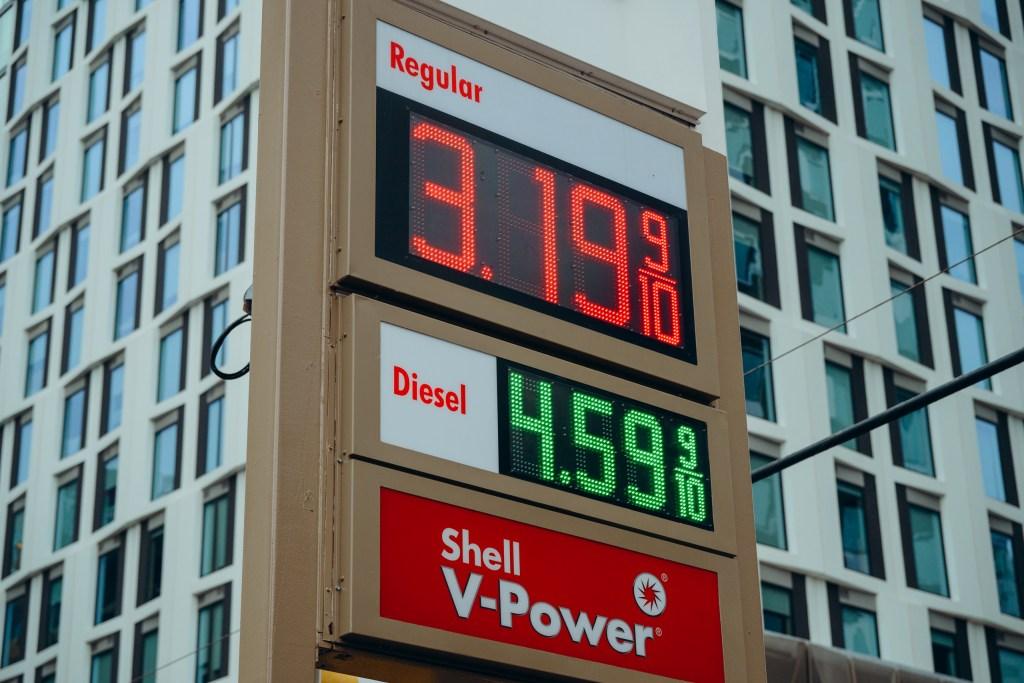
As of Tuesday morning, the average price of regular gasoline in Texas reached $3.21 per gallon, a significant rise from $2.55 just a month earlier, as reported by AAA. This figure is still lower than the national average, which stood at $3.54 on the same day.
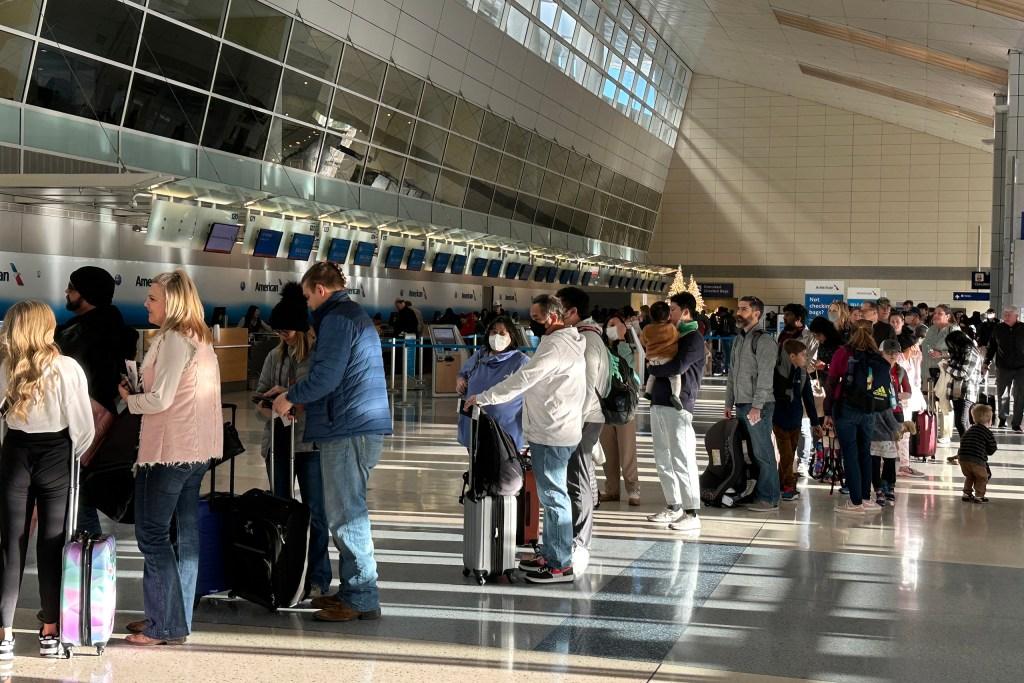
Experts suggest that Texas’s status as the country’s leading oil and gas producer helps shield residents from the most severe price surges. However, they warn that drivers should prepare for continued price increases, particularly as the summer travel season approaches and fuel demand rises.
Thomas Weinandy, a principal research economist at Upside, noted that many are concerned about the possibility of experiencing a situation similar to the summer of 2022, when oil prices skyrocketed to $128 per barrel following Russia’s invasion of Ukraine. He cautioned that the current situation could be even more precarious given the greater amount of oil currently at risk.
Weinandy explained that gas stations typically do not pass on the full extent of oil price increases to consumers immediately. Instead, they often recoup their losses by decreasing prices more slowly as oil costs decline.
Ray Perryman, an economist and founder of the Perryman Group, emphasized that the impact of the war on Texas’s oil and gas sector largely hinges on how long crude oil prices remain elevated.
On Monday, the price of Brent crude, the international benchmark, surged to $119.50 per barrel—the highest level seen since the Russian invasion of Ukraine. Meanwhile, West Texas Intermediate, a U.S. produced oil, also briefly surpassed $119 per barrel.
However, after former President Trump commented to CBS News that he believed “the war is very complete,” prices quickly fell below $90 by the end of the day.
Before the U.S. and Israel initiated airstrikes against Iran on February 28, crude oil was trading at approximately $70 per barrel. The ongoing conflict has raised fears of Iranian attacks, which have effectively closed the Strait of Hormuz, a crucial international shipping lane responsible for transporting about 20% of the world’s daily oil supply.
Weinandy pointed out that Texas’s oil industry stands to gain significantly from the war. “For Texas, this is quite favorable for the oil industry,” he stated. “Oil companies benefit from being able to sell their products at higher prices.”
However, the flip side of these higher profits for oil companies is an increase in consumer costs. Weinandy noted that oil markets are particularly volatile, as increasing production is both challenging and expensive, while global demand typically remains consistent.
Todd Staples, president of the Texas Oil and Gas Association, remarked that while elevated oil prices translate to greater profits for companies engaging in international sales, the war’s uncertainty complicates planning for new investments in the near term. “Certainty and stability are essential for investment planning and job creation,” he stated.
Texas drillers might consider ramping up operations in the Permian Basin to help mitigate domestic price increases, yet the unpredictable nature of the conflict poses risks for such decisions, according to Ed Longanecker, president of the Texas Independent Producers and Royalty Owners Association.
Despite the U.S. regaining access to Venezuelan oil fields following the military capture of President Nicolás Maduro in January, experts believe it is unlikely to significantly enhance global oil supply. Longanecker noted that Venezuela requires substantial investment to restore production levels that were once seen in the 1990s, and political instability remains a major concern.
Trump could potentially utilize the U.S. Strategic Petroleum Reserve to alleviate market pressures. Currently, the reserve holds approximately 411 million barrels, which equates to about 30 days of total U.S. daily production, according to the Department of Energy.
On Saturday, Trump dismissed the necessity of this action, asserting that U.S. supplies were sufficient and that prices would soon decrease.
However, experts warn that the longer the conflict persists, the more pronounced the disruptions to oil and gas prices are likely to become. Weinandy cautioned that even if the Strait of Hormuz reopens, it does not guarantee an immediate return to normal gas prices, stating, “Gas prices rise like a rocket and fall like a feather.”