








Exploring Austin’s Historic Landmarks Near the Capitol
Nestled in the heart of Texas, Austin is a vibrant city known for its live music, innovative cuisine, and rich cultural tapestry. However, its historical significance often gets overshadowed by its contemporary allure. The area surrounding the Texas State Capitol is brimming with historic landmarks that weave together the city’s diverse past. These architectural gems not only reflect Austin’s journey through time but also offer a fascinating glimpse into American history.
Tourists and locals alike flock to the Texas State Capitol, yet just a short walk or bike ride away, there exists a treasure trove of historic sites that beckon exploration. Whether you’re a history buff, an architecture enthusiast, or someone seeking a leisurely day out, these landmarks provide an engaging backdrop for a journey through Austin’s bygone eras. Let’s uncover the stories behind some of these must-see locations near the Capitol.
The Texas State Capitol: Heart of the Lone Star State
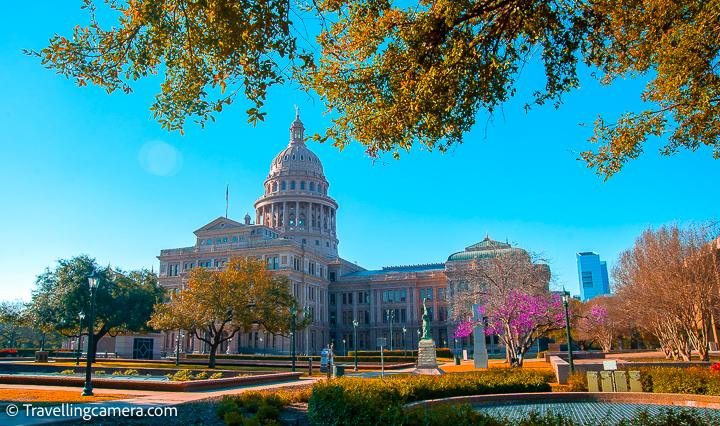
Standing tall and proud at 301 West 14th Street, the Texas State Capitol is an emblem of state pride and a striking example of Renaissance Revival architecture. Completed in 1888, this magnificent structure serves as the seat of government for the state of Texas and is recognized as one of the largest state capitols in the United States. The building is made from sunset-red granite from a local quarry, giving it a unique hue that captivates visitors.
Visitors can embark on a guided tour of the Capitol, which offers insights into its storied history, including fascinating details about its construction and the events that have taken place within its walls. One of the standout features of the Capitol is its impressive dome, which is taller than the United States Capitol in Washington, D.C. The intricate design and craftsmanship of the dome are breathtaking and are accompanied by a series of historical markers and artworks that adorn the interior.
The Capitol is surrounded by beautifully landscaped grounds, which include various memorials and monuments, dedicated to Texas’ rich history. Among them, the Texas Confederate Veterans Monument and the Vietnam Veterans Monument hold particular significance, offering a moment of reflection and understanding of the sacrifices made by Texans throughout history. Visitors can stroll through these grounds, engaging with the stories told via plaques and memorials, all while enjoying the serene environment.
Visiting the Capitol Building
Admission to the Texas State Capitol is free, making it an accessible attraction for all. The Capitol Visitor Center, located at 112 East 11th Street, provides information on guided tours and historical exhibits. It’s important to check the visiting hours as they may vary, particularly during legislative sessions. Several tour options are available, including self-guided audio tours and themed tours that dive deeper into specific aspects of Texas history.
After immersing yourself in the history of the Capitol, be sure to take a moment to admire the stunning views from the Capitol’s grounds. The combination of lush green spaces, historic monuments, and the juxtaposition of modern Austin’s skyline creates a picturesque scene that perfectly illustrates the intersection of the past and present.
The Driskill Hotel: A Testament to Opulence
Just a short stroll from the Capitol, the Driskill Hotel has been a beacon of luxury since its opening in 1886. The brainchild of cattle baron Jesse Driskill, this grand hotel is a stunning embodiment of Romanesque Revival architecture, characterized by its intricate stonework and ornate furnishings. Throughout its storied history, the Driskill has been frequented by numerous presidents, celebrities, and influential figures, making it a significant landmark in Austin.
Visitors can explore the hotel’s lavish lobby, adorned with a majestic chandelier and ornate furnishings. Not only does the Driskill boast an impressive architectural design, but it is also rumored to be haunted, making it a popular spot for paranormal enthusiasts. Several ghost stories are shared by tour guides, detailing the mysterious happenings that have occurred within its walls over the years.
In addition to its historical significance, the Driskill Hotel is renowned for its upscale dining and bars. The Driskill Grill, celebrated for its innovative Texas cuisine, offers a delightful culinary experience. Diners can indulge in locally sourced dishes while surrounded by stunning architectural details and a rich sense of history. The hotel also hosts various events, including live music performances and seasonal celebrations, allowing visitors to enjoy a taste of Austin’s vibrant cultural scene.
Unique Experiences at the Driskill
Guests and visitors of the Driskill can partake in special guided tours that recount tales of its rich history and ghostly encounters. Additionally, the hotel offers an iconic Sunday Brunch that is a must-try for anyone looking to experience a taste of Austin’s culinary excellence in a truly historic setting. Make a point of visiting the hotel’s front desk to see historical artifacts and photographs that capture the essence of the Driskill’s past.
For those interested in architecture and design, a stroll through its halls unveils historical photographs and stunning details that speak to the hotel’s legacy. The marble floors, intricate ceiling moldings, and elegantly decorated rooms all contribute to the opulent atmosphere that makes the Driskill a prominent feature in Austin’s architectural landscape.
The Texas Governor’s Mansion: A Historic Residence
Located just a few blocks from the Capitol, the Texas Governor’s Mansion at 1010 Colorado Street is another focal point of Austin’s historical significance. Built in 1856, the mansion is one of the oldest continuously inhabited governor’s residences in the United States. This beautiful Italianate structure, adorned with white columns and expansive porches, stands as a testament to Texas history and governance.
The Governor’s Mansion has been home to every Texas governor since J. Pickney Henderson, and it continues to play a crucial role in the life of the state. The mansion is not only a residence but also a venue for official functions, receptions, and public events. Visitors can marvel at the grand design and lush gardens surrounding the mansion, providing a picturesque setting in which to reflect on Texas heritage.
While public tours of the Governor’s Mansion are limited, it’s still worth visiting for its historical value and the stories it holds. Visitors often take advantage of viewing the exterior, admiring the well-maintained gardens, and learning about its role in the state’s governance through informational plaques that outline its significance.
Experiencing the Governor’s Mansion
The Texas Governor’s Mansion, aside from offering a glimpse into the life of Texas governors, often hosts several events, including seasonal celebrations and public receptions. It’s beneficial to check the official website for updates on any public tours or events that may be taking place during your visit. The grounds are open to the public, allowing guests to stroll through the gardens and appreciate the historic architecture up close.
Many locals enjoy the park-like surroundings that enhance the beauty of the mansion, making it a popular spot for casual gatherings and photography. As you walk through the area, you may encounter local street performers, artists, and vendors, offering a lively complement to the serene grounds of the mansion, blending historical exploration with modern-day culture.
The Bullock Texas State History Museum: A Dive into Texas History
For those eager to delve deeper into Texas’ past, the Bullock Texas State History Museum, located at 1800 Northwest Loop 1, is an essential stop. Established in 2001, the museum serves as a portal to the state’s rich and diverse history, featuring engaging exhibits, artifacts, and interactive displays that cater to visitors of all ages. The museum’s mission is to connect Texans to their past, and its impressive architecture is a tantalizing preview of the stories held within.
The museum hosts a variety of permanent and temporary exhibits that cover everything from indigenous culture and colonial life to modern Texas and its ongoing influence on America’s history. The Texas Spirit Theater provides an immersive experience, showcasing films that highlight significant historical events, while the second floor offers a panoramic view of the state’s timeline through carefully curated exhibits.
One of the highlights of the museum is its extensive collection of artifacts, including everything from historic manuscripts and Native American pottery to a 1914 Curved Dash Oldsmobile. Each piece tells a story, contributing to a fuller understanding of Texas’ historical narrative. The museum often hosts educational workshops, lectures, and family-friendly activities, ensuring that visitors leave with a sense of connection and discovery.
Engaging with Texas History
Admission to the Bullock Texas State History Museum is reasonably priced, and special discounts are available for students and military personnel. The museum also has a café and a museum shop, offering a delightful place to reflect on your experience while enjoying a meal or a unique souvenir. It’s advisable to allocate a few hours for your visit, given the wealth of information and exhibits awaiting your exploration.
Events and temporary exhibits change throughout the year, providing visitors with new opportunities to engage with Texas history. Be sure to check their events calendar for family days, evenings dedicated to lectures and special exhibits, and seasonal activities that may enhance your visit.
Conclusion: Uncovering Austin’s Historic Charm
Austin’s historic landmarks surrounding the Texas State Capitol not only tell the story of the Lone Star State but also echo tales that span generations. From the majestic Texas State Capitol to the opulent Driskill Hotel, the storied halls of the Governor’s Mansion, and the engaging Bullock Texas State History Museum, each site provides a unique perspective on Austin’s vibrant history.
Exploring these locations not only satisfies a curiosity for historical narratives but also instills a sense of pride and connection to the diverse culture that defines Texas. Visitors are encouraged to immerse themselves in the fascinating tales, stunning architecture, and serene landscapes that are just a short distance from the heartbeat of the state—the Capitol itself. Austin beckons you to discover its past while embracing the pulse of its lively present, making for an unforgettable journey through a city steeped in history.