








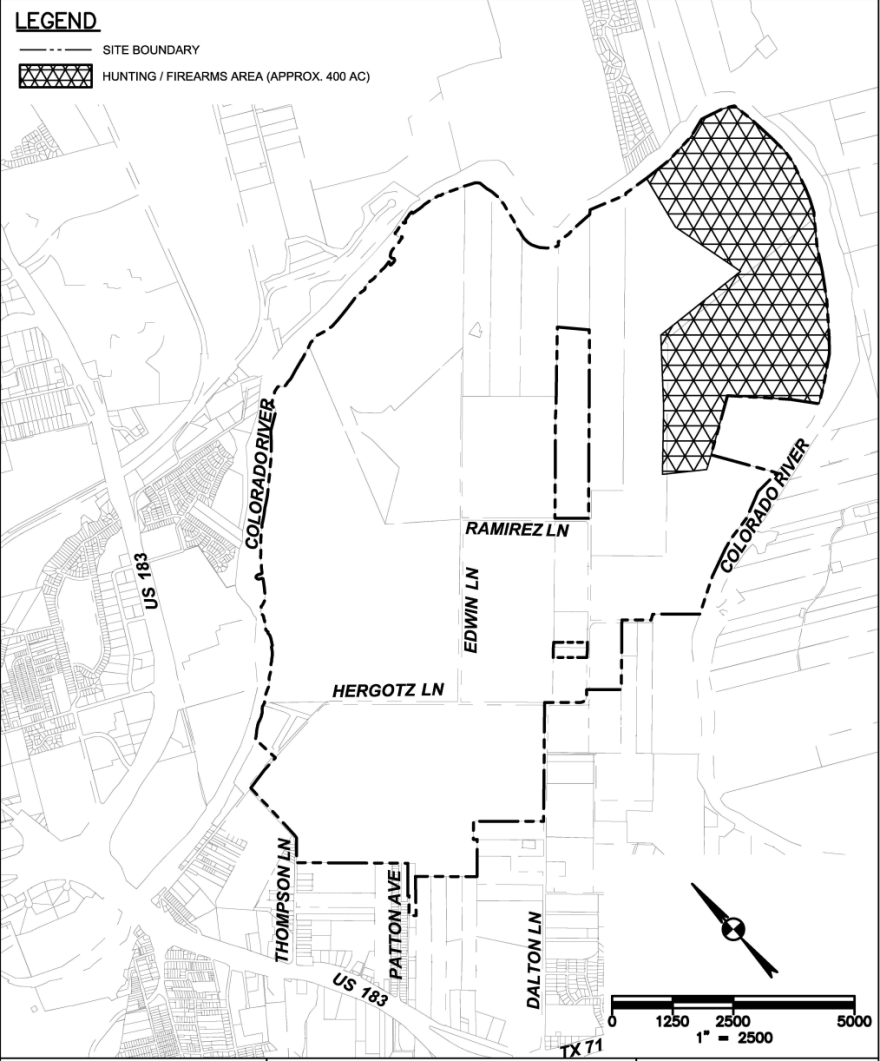
Austin City Council has given the green light to a substantial development initiative, approving the annexation of over 2,600 acres known as the “Dog’s Head” tracts, situated along the Colorado River in East Austin. The decision came after a lengthy session where community members expressed significant opposition to the plan, which appeared on the agenda just a week prior and had not undergone the standard vetting process by city commissions.
Despite the outcry from residents, council members proceeded with the annexation, initiating a development plan that aims to create a mixed-use community encompassing both residential and commercial spaces. The 45-year agreement will incorporate the site into the city limits, transforming what was once an industrial area.
The land, currently owned by an LLC affiliated with Endeavor Real Estate Group, caught many local residents off guard, as they reported being unaware of the project until just days before the council meeting. Critics have called for greater transparency from city officials regarding the development process.
Lee Edwards, a local resident, voiced his concerns about the lack of communication, stating, “I didn’t find out about it until two days ago — not from Endeavor … not from the city — from a friend. I didn’t know any of this existed. We have an officially registered neighborhood association. It was not contacted.”
Richard Suttle, the attorney representing Endeavor, argued that the development is crucial and beneficial for both the city and the developer, drawing parallels to the firm’s previous success with the Domain project. “We’ve been working on it for seven years now, and it needs to be in the city,” he explained. “Frankly, it’s a better project for the developer if it’s in the city. So, it’s a mutually beneficial deal.”
The city anticipates that the development could generate up to $3.5 billion in tax revenue over the next three decades. Suttle revealed that a major corporation, classified as a “Fortune 100” company, is poised to be the first tenant at the site, although specific details remain undisclosed due to a non-disclosure agreement. He emphasized that plans do not include a data center or defense contractor, which had been concerns raised by residents.
Environmental issues, particularly regarding flooding and land use, were also significant points of contention. Bobby Levinski, an attorney and advocate with Save Our Springs Alliance, expressed alarm at the potential ecological impact, noting that the deal would sidestep typical zoning and land-use protections, allowing changes to be made with minimal oversight. “You are going to make changes to one of the most ecologically sensitive stretches of an urban river in the entire state of Texas,” he warned.
Opponents of the development raised alarms about the lack of restrictions on impervious cover, which could exacerbate flooding risks. Suttle estimated that approximately 20% of the site would be paved, while the plan aims to incorporate additional park space and bike trails.
Prior to the vote, Mayor Kirk Watson addressed the concerns, emphasizing that the city still retains some control over the project. He indicated that the developer must submit a design plan and a list of potential land uses to the city before a taxing district can be established to facilitate the project. Watson acknowledged the imperfections of the development but underscored the necessity of the tax revenue it would generate, stating, “There’s no question it will be better than what it could be — and probably would be — if it’s on the outside of our jurisdiction.”