







Exploring El Paso’s Historic Missions
Nestled in the far western corner of Texas, El Paso boasts a rich tapestry of cultural heritage and historical significance, epitomized by its extraordinary missions. These esteemed sites tell the story of early colonial efforts and the blend of Indigenous culture and Spanish influence, providing a unique window into the past. Each mission stands as a testament to El Paso’s role in shaping the Southwest region of the United States.
Visiting these historic missions offers not just an opportunity for sightseeing, but a chance to engage with the vibrant stories and histories that have defined the region for centuries. The missions, many of which are beautifully preserved, are perfect examples of Spanish colonial architecture and are deeply rooted in the community’s identity. From their founding to their present-day status as cultural landmarks, each mission has a unique narrative that deserves exploration.
The Five Missions of El Paso
The El Paso area is home to five historic missions, each with its own distinct history and atmosphere. Together, they create the Mission Trail, a designated historic and scenic route that attracts tourists and locals alike. Below are brief descriptions of each mission and what makes them notable.
Mission Ysleta
Established in 1682, Mission Ysleta is one of the oldest missions in Texas and is intimately linked to the Tigua Tribe, the indigenous people of the region. Originally built as a refuge for the Tigua’s ancestors fleeing from Spanish raids, the mission has undergone numerous renovations and restorations over the years.
Walking through the mission today, visitors can admire its striking white adobe exterior alongside the vibrant gardens that surround it. The mission’s interior showcases original artworks and historic artifacts that reflect the cultural melding of Spanish and Native American traditions. The imposing altar and intricate murals transport visitors back in time, conveying the mission’s rich spiritual significance.
Participating in events at Mission Ysleta can grant deeper insights into local religious practices and community events. Whether attending a mass or cultural festival, visitors can experience firsthand the living history that defines this mission.
Mission San José
Mission San José, founded in 1720, stands as a monument to the Spanish colonial efforts in Texas. Dubbed the “Queen of the Missions,” it is the largest and most architecturally significant of the missions. Its commanding façade features a well-preserved rose window and a unique baroque style that attracts architectural enthusiasts from all over.
Beyond the aesthetics, Mission San José serves as a crucial cultural center. It acts as the site for numerous community events, educational programs, and guided tours. Visitors can stroll through the mission’s historic grounds, where they can view reconstructed adobe homes, scenic gardens, and the restoration of the original church complex, immersing themselves in the life of the 1700s.
One of the highlights of visiting Mission San José is the annual “Fiesta de San José,” a festive celebration that brings together the local community and tourists. This event showcases traditional dance, music, and gastronomy rooted in the rich cultural heritage of El Paso.
Mission San Elizario
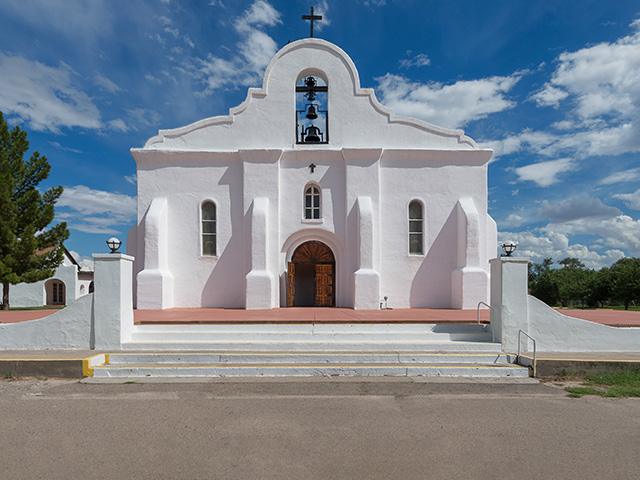
Dating back to the late 18th century, Mission San Elizario offers a compelling blend of history and artistry. Originally founded to support settlers in the Trans-Pecos region, this mission served as a vital religious center for the local population. Today, it stands as a reminder of the early Spanish influence in the area.
The mission’s authenticity can be felt in its significant historical artifacts and exhibitions that highlight its past. Visitors, who enter through a charming courtyard, are often captivated by the mission’s rustic charm and the surrounding landscapes that echo the history of the region. Mission San Elizario is also known for its vibrant murals, which depict scenes from local folklore and the life of the mission itself.
In addition to its historical relevance, Mission San Elizario has become a site for cultural exchange. Local artisans frequently showcase their crafts, melding traditional practices with modern artistry. This dynamic interaction connects visitors to the living heritage of El Paso’s diverse community.
Mission Nuestra Señora del Refugio
Mission Nuestra Señora del Refugio, established in 1849, highlights the evolution of missions during a more tumultuous period in Texas history. This mission has faced destruction, abandonment, and restoration through the decades, paving the way for a narrative of resilience.
what makes Mission Nuestra Señora del Refugio particularly interesting is its transformation into a community gathering space. Unlike some of the other missions that focus heavily on tourism, this site emphasizes local engagement, featuring events like farmers’ markets and cultural festivals that draw in residents and visitors alike.
Many visitors are drawn to the mission for its tranquil setting alongside the Rio Grande. The natural beauty coupled with the historical structures creates an inviting atmosphere for reflection and photography. The mission exemplifies how revitalization efforts can breathe new life into historical sites, creating a bridge between the past and present.
Mission San Juan Bautista
Although not originally founded in El Paso but rather in nearby San Juan, this mission’s impact on the region is vital. Established in the 18th century, Mission San Juan Bautista is renowned for its role in the early missionary endeavors in Texas. It is often referred to as the “Gateway to Spanish Texas.”
The mission’s architectural style resonates with visitors who appreciate historical structures. It features stunning columns, a grand altar, and beautifully painted ceilings. For those interested in history, San Juan Bautista serves as a critical educational resource, providing insights into Spanish colonization and the mission’s influence on local Indigenous communities.
Regularly scheduled events at Mission San Juan Bautista include workshops, reenactments, and history fairs, which help foster a deeper appreciation for the complexities of the region’s past. Visitors are encouraged to engage with local historians and educators during these events.
Visiting the Missions: Tips and Recommendations
When planning a trip to El Paso to visit its historic missions, there are several factors to consider to ensure a fulfilling experience. Here are some tips and recommendations to enhance your visit:
Timing Your Visit
Choosing the right time to visit the missions can greatly affect your experience. The best months for traveling to El Paso are typically from October to April, when the temperatures are mild, and outdoor exploration is more enjoyable. Schedule your visit during weekdays if possible, as weekends tend to draw larger crowds, especially during events and festivals.
Guided Tours vs. Self-Exploration
While self-exploration of the missions can be enriching, guided tours offer invaluable insights into the history, architecture, and cultural significance of the sites. Many organizations and local historians offer structured tours that delve deeply into the missions’ past, enhancing understanding and appreciation.
Check for any seasonal programs or special events that might be taking place during your visit. These activities can provide unique opportunities to engage with the local community and experience the missions in a lively context.
What to Pack
Comfortable walking shoes are essential, as many missions have beautiful grounds that invite exploration. Carrying a water bottle is wise, especially during warmer months, to stay hydrated. Cameras are also a must for capturing the stunning architecture and surrounding landscapes.
Additionally, consider bringing a journal or sketchbook. Reflecting on your experiences through writing or sketching allows for a deeper personal connection with the missions. It can also serve as a wonderful keepsake for your journey.
Community Engagement and Preservation Efforts
The historic missions in El Paso are not just relics of the past; they are living institutions that embody community engagement, resilience, and cultural pride. Efforts to preserve these marks of history have been greatly supported by local organizations and volunteers dedicated to maintaining their integrity.
Volunteer Opportunities
Community involvement plays an essential role in the ongoing preservation efforts of the missions. Many organizations offer volunteer opportunities for individuals passionate about history, architecture, and community service. Volunteers can assist with events, participate in restoration efforts, or help guide tours, all the while learning about the missions’ histories from experienced locals.
Supporting Local Culture
Partaking in mission-related events, purchasing local crafts, or attending cultural fairs helps to sustain the local economy and empower artisans dedicated to preserving traditional crafts. Supporting initiatives that promote cultural education ensures that the narratives of these missions will continue to be shared with future generations.
The Future of El Paso’s Missions
As conversations around heritage and preservation evolve, the missions of El Paso serve as a model for how communities can honor their past while fostering growth. The integration of modern educational practices, cultural tourism, and active community participation paves the way for future generations to appreciate the rich history they inherit.
Visitors to El Paso’s missions not only walk through history but also contribute to the ongoing story of a vibrant community rooted in shared experiences and cultural understanding. Each visit leaves a lasting impact, ensuring that these historic sites are cherished for years to come.