








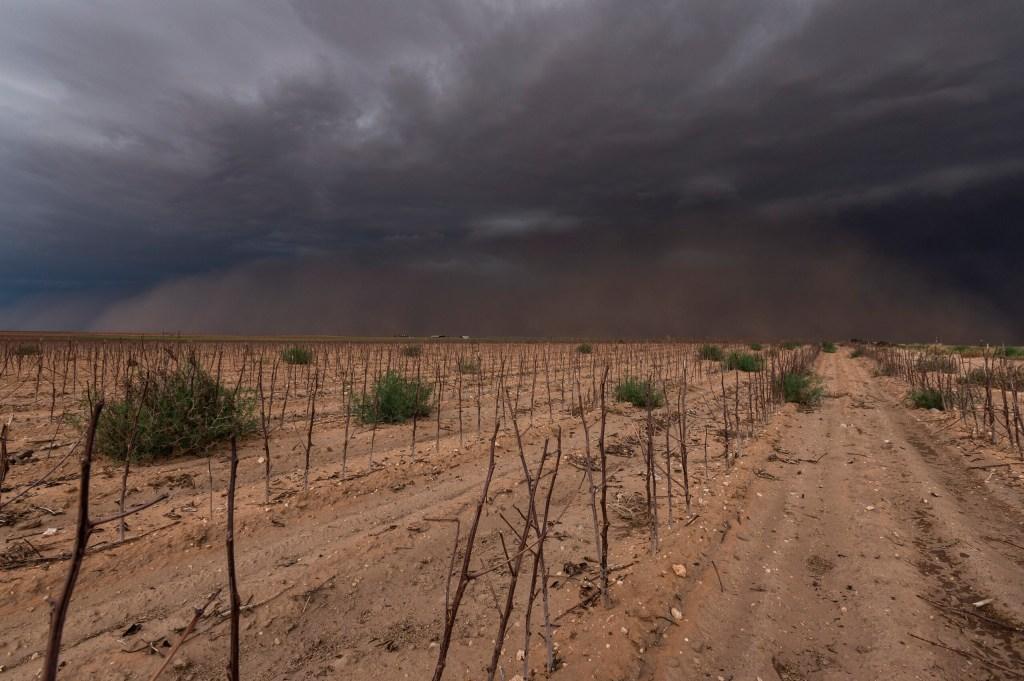
MCCALLEN — The sweltering Texas summer is a daunting challenge for farmers and ranchers, who have been bracing for a season marked by drought. As of Monday, nearly half of the state is grappling with some level of drought conditions, according to the U.S. Drought Monitor. This is a notable increase from the same time last year, when approximately 36% of Texas faced similar dry circumstances.
Despite some areas experiencing rain in May, the precipitation is unlikely to significantly alter the overall drought situation, as indicated by a federal outlook released on May 31. While improvements are anticipated, many regions, particularly in the Panhandle and across much of South Texas, are expected to continue facing drought conditions.
The state’s water supply is already strained due to population growth and aging infrastructure. Coupled with climate instability and the oppressive summer heat, the situation poses a serious threat to Texas’s agricultural economy, which heavily relies on the state’s water resources.
Far to the south in the Rio Grande Valley, the produce industry is preparing for a challenging season. Although the region is not currently experiencing drought, projections suggest a potential reduction of up to 40% in typical fruit and vegetable plantings later this summer due to anticipated drier weather.
Typically, the Rio Grande Valley produces between 60 to 80 million acres of fresh produce annually. However, this output has diminished over the last four years as water availability has dwindled, according to Dante Galeazzi, CEO and president of the Texas International Produce Association. Last year’s water scarcity resulted in a 30% reduction in plantings, and this year is expected to see an additional 10% decrease.
“The longer we go without water, the more dire the situation becomes for our producers,” Galeazzi remarked, highlighting the difficulties they face in securing loans or maintaining partnerships with grocery stores when their ability to produce is in jeopardy.
John Nielsen-Gammon, a climatologist and director of the Southern Regional Climate Center, noted that drought conditions this year are more widespread than in the past three years. The last comparable situation occurred in 2022, when dry conditions persisted into early August.
However, Nielsen-Gammon also pointed out that Texas’s vast size means conditions can vary significantly across different regions, and it is unlikely that drought will be as extensive as it was in 2022.
The prolonged dry conditions expected this summer are linked to the El Niño weather phenomenon, which involves the warming of ocean surface waters in the central and eastern tropical Pacific Ocean. An El Niño event is anticipated to emerge in the coming months, potentially bringing rainfall starting in mid- to late-October.
Before that, however, El Niño is expected to suppress hurricane activity in the North Atlantic, which could lead to fewer storms and hurricanes this season, according to Nielsen-Gammon.
Forecasting conditions this far in advance is challenging. If warmer-than-normal temperatures occur in the tropical Atlantic, they may counteract current trends, possibly resulting in a more typical weather season, Nielsen-Gammon explained.
Currently, the climate is in a neutral phase, with neither El Niño nor La Niña being active. June remains unpredictable, particularly in terms of precipitation in South Texas, according to meteorologist Barry Goldsmith from the National Weather Service in Brownsville. Current indicators suggest a propensity for drier weather.
Looking ahead to July and August, there is a strong consensus that these months will be drier than average for the entire state. “July and August are typically our driest months, and this is expected to continue as El Niño develops further,” Goldsmith noted.
While El Niño may bring rainfall in the fall, Goldsmith cautioned that the earliest above-average precipitation the Valley might experience could occur in November, and even then, it is not a certainty. “It’s important to remember that November falls within one of our traditionally drier periods,” he added.
The rainfall received in April and May has allowed South Texas farmers to extend their plantings of leafy greens, including cilantro, parsley, and kale. It has also benefited the citrus industry, which relies heavily on consistent watering every 30 days, as noted by Galeazzi.
However, these rains typically offer only temporary relief. For substantial improvements to occur, significant rainfall is needed over the international reservoirs that supply the region with water.
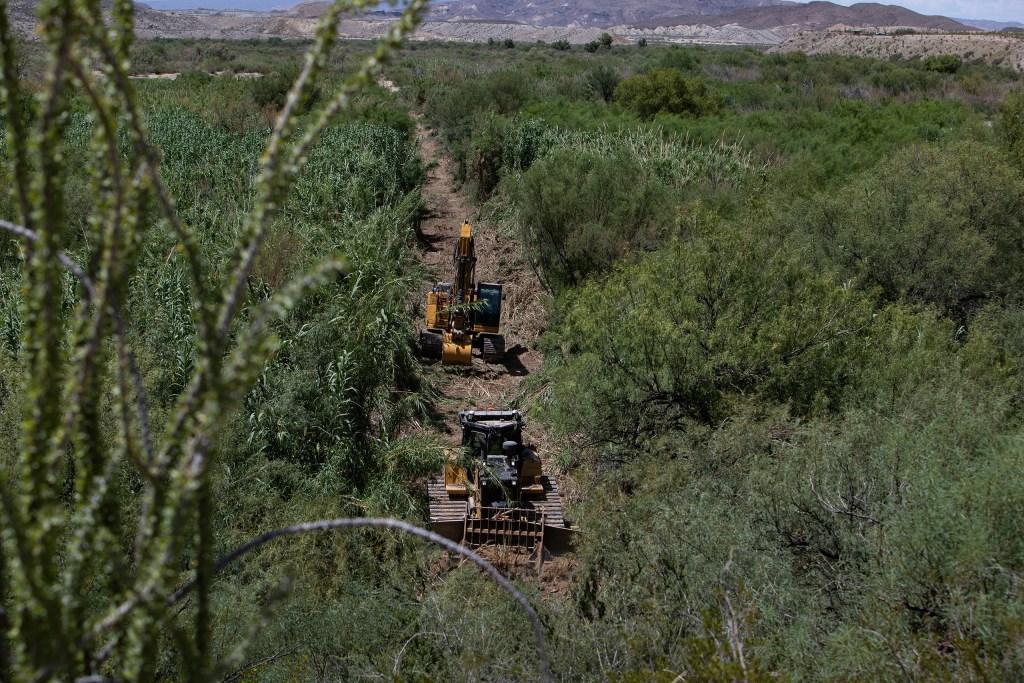
Drought conditions have led to water levels in the two international reservoirs, shared by the U.S. and Mexico, being just above record lows. This poses a severe challenge for the Valley, which depends on the Rio Grande for 90% of its water supply. The low water levels have also strained relations between the U.S. and Mexico, both of whom are bound by a 1944 treaty to share the river’s resources. Drought on both sides has hindered Mexico’s ability to meet its treaty obligations, although smaller agreements have been made to help Mexico address its water deficit.
“Those low storage levels suggest we may face another difficult season next year unless we receive beneficial rainfall over the reservoirs this summer,” Galeazzi warned.
The impact of drought has already been profound within the agricultural sector. Some producers in the Valley have been forced to sell off hundreds of acres, and a company operating in both the Valley and West Texas has laid off at least 50 employees at each location. The repercussions extend beyond agriculture, affecting the entire ecosystem.
The downsizing creates a ripple effect, Galeazzi pointed out, as reduced produce output leads farmers to purchase fewer seeds, boxes, and pallets. Consequently, there is less demand for sales personnel, warehouse space, and transportation services.