








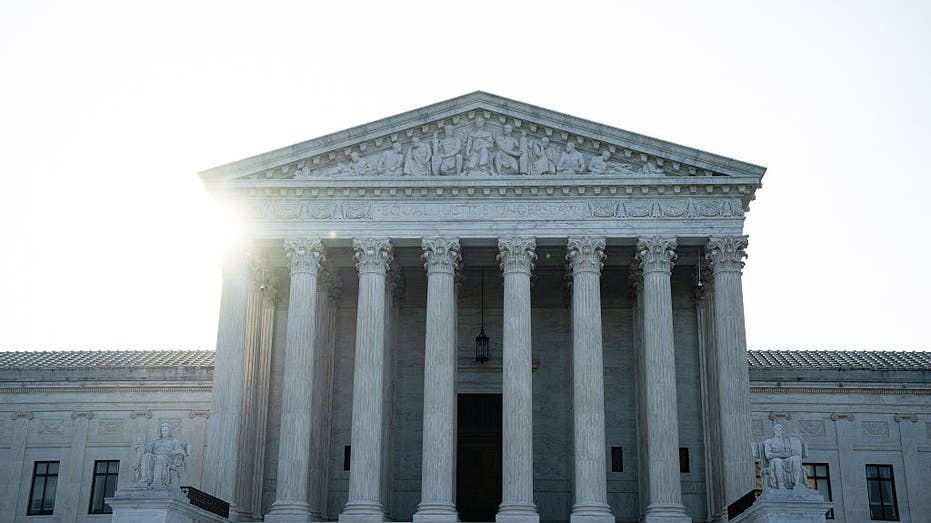
The U.S. Supreme Court has upheld the principle of birthright citizenship, affirming that anyone born in the United States, with few exceptions, is automatically a citizen, as stated in the 14th Amendment. This ruling has elicited strong reactions from Texas lawmakers, with Republicans viewing it as a significant misstep by the court, while Democrats celebrate it as a constitutional victory.
In a decisive 6-3 ruling, the justices referenced long-established interpretations of the 14th Amendment, which was enacted following the Civil War, alongside more recent federal laws. The court’s decision invalidated an executive order issued by former President Donald Trump in 2025, which sought to deny citizenship to children born in the U.S. to parents who were undocumented or in the country temporarily.
Texas Republicans quickly took to social media to express their discontent. Congressman Chip Roy stated that the court “failed the American people, the Constitution, and the rule of law.” He criticized the notion that the amendment permits a system that allows individuals to exploit U.S. citizenship through birth.
Roy urged Congress to legislate a connection between citizenship and parental status, proposing to limit funding for government agencies that offer documentation to non-citizens. Fellow Republican Rep. Keith Self echoed this sentiment, calling the ruling “disastrous for every actual American citizen, our national sovereignty, and the future of our country.”
In contrast, Texas Democrats viewed the Supreme Court’s decision as an affirmation of constitutional rights. Rep. Jasmine Crockett celebrated the ruling, asserting that it reinforced the constitutional guarantee of birthright citizenship. She emphasized that the President’s role is to uphold, not alter, the Constitution.
Rep. Sylvia Garcia expressed relief that the court dismissed what she termed an unconstitutional attempt to redefine citizenship. “Citizenship is not a favor handed out by a president,” she remarked, highlighting the importance of the court’s rejection of Trump’s order.
The Texas House Democratic Caucus hailed the ruling as a triumph for constitutional integrity. State Rep. Gene Wu stressed that no president has the power to unilaterally alter the Constitution, affirming that rights remain unchanged regardless of political agendas.
The Supreme Court’s decision, authored by Chief Justice John Roberts, was supported by the court’s three liberal justices and conservative Justice Amy Coney Barrett. Justice Brett Kavanaugh concurred with the majority but based his opinion on federal law rather than constitutional grounds. Dissenting were Justices Clarence Thomas, Samuel Alito, and Neil Gorsuch.
In his majority opinion, Chief Justice Roberts articulated that citizenship is fundamental to participation in the political community, reiterating the promise made to “every free-born person in this land.” The 14th Amendment was originally designed to ensure that formerly enslaved individuals gained citizenship rights.
The backdrop to this ruling includes Trump’s controversial executive order, which sought to end over a century of precedent regarding birthright citizenship. This order faced extensive legal challenges and was part of a broader immigration enforcement strategy from the Trump administration.
As the court navigated this complex issue, the case marked a significant test of executive power, particularly given Trump’s history of challenging judicial authority. The ruling is seen as a pivotal moment in the ongoing debate over immigration and citizenship in the United States.