








The Story of Houston’s Port and Trade History
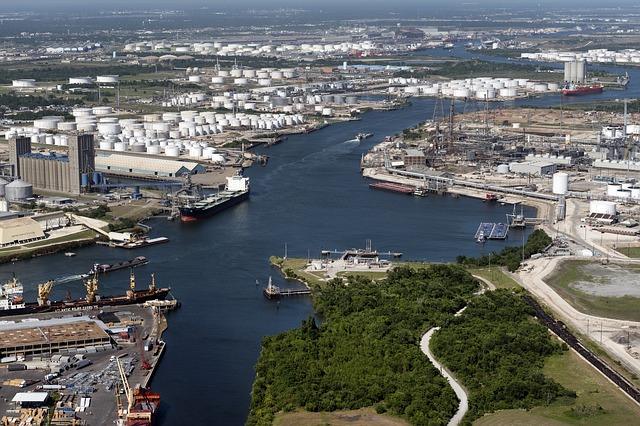
Located near the confluence of the Buffalo Bayou and the Houston Ship Channel, the port of Houston has transformed over the years into one of the largest and most significant ports in the United States. Originally established in the 19th century, its growth and development have been intricately tied to the expansion of trade routes, industrial advancements, and the evolving global economy.
The story of Houston’s port and trade history is not just one of commercial success; it is a testament to resilience, innovation, and the strategic vision of a city that understood the value of its geographical location. From humble beginnings as a small trading post to its current standing as a bustling hub for international trade, the port’s evolution reflects the broader narrative of Houston, Texas, and the United States as a whole.
The Birth of a Port City
The establishment of Houston in 1836 by brothers Augustus and John Allen was pivotal in paving the way for what would eventually become a thriving port city. The Allen brothers understood the importance of location, positioning Houston as a strategic point for trade and commerce. Situated just 50 miles from the Gulf of Mexico, it offered accessibility for ships while being inland enough to avoid some of the challenges maritime navigation posed.
In the late 19th century, as the city began to expand, the demand for a dedicated shipping channel became apparent. By 1902, the Houston Ship Channel was officially opened, transforming the area into a commercial shipping hub. This marked a significant turning point as it allowed larger vessels to navigate the waters and facilitated the import and export of goods, thereby attracting businesses and industries to the region.
This initial investment in infrastructure laid the groundwork for Houston’s rapid growth. The ship channel made it possible for the city to establish its identity as a major player in the transportation of agricultural products, cotton, and other goods. Additionally, as railroads expanded across Texas, they interlinked with the port, further enhancing Houston’s capacity as a logistical center. Throughout the years, this strategic positioning played a crucial role in the city’s industrial and economic development.
The Industrial Revolution and Economic Expansion
The Industrial Revolution brought about significant changes to Houston’s port and trade dynamics. With advancements in technology and manufacturing processes, the port began to see a shift from predominantly agricultural exports to industrial goods. This transformation was spurred on by the booming oil industry, which emerged in Texas in the early 20th century and required an efficient transport system for oil and petrochemical products.
The discovery of oil at Spindletop in 1901 marked the beginning of a new era for the Texas economy—and coincidentally, for Houston’s port. As oil companies flourished, an increasing number of products began to flow through the port, including crude oil, natural gas, and refined petroleum. This surge in trade necessitated further expansion of the port’s facilities. By the mid-20th century, the port became the global leader in oil and gas exports, reinforcing Houston’s status as the “Energy Capital of the World.”
Moreover, the industrial expansion also brought about significant diversification in trade. Houston began to establish itself as a key center for other sectors, including manufacturing, shipping, and logistics. The port was no longer just a point of exit for Texas goods but had become a central hub for international trade, facilitating connections to markets in Europe, Latin America, and beyond. The establishment of various free trade zones and industrial parks around the port further solidified its reputation as a vibrant commercial center.
A Global Trade Hub and Economic Impact
As trade volumes increased, so did the port’s global influence. Today, the Port of Houston stands as one of the top ten busiest ports in the United States and is recognized as a leading international trading hub. With a vast array of services and facilities, it handles millions of containers and cargo annually, making it indispensable for both local and national economies.
The impact of the Port of Houston extends beyond the confines of shipping and logistics. According to recent estimates, the port generates more than 1.3 million jobs across the region, supporting not just direct employment in shipping and transport, but also indirect jobs in services, warehousing, and manufacturing. The ripple effect of port activities contributes significantly to the local economy, sustaining businesses and elevating Houston’s standing within the global market.
Furthermore, the port’s role in facilitating international trade has made it a vital conduit for businesses looking to expand their reach. With numerous shipping lines, logistics companies, and customs facilities available, companies can access markets worldwide efficiently. The port’s strategic alliances with various global shipping companies continue to foster economic growth, enabling Houston to remain competitive on an international scale.
The Environmental and Economic Challenges
While the Port of Houston has enjoyed remarkable success, it is not without its challenges. As trade patterns evolve in response to global trends, environmental concerns regarding shipping and logistics have come to the forefront. The impact of increased vessel traffic on the surrounding ecosystems has led to calls for sustainable practices and policies that protect local habitats while maintaining the port’s functionality.
Additionally, the recent COVID-19 pandemic highlighted vulnerabilities within global supply chains, leading to significant disruptions in trade. The port experienced delays and a backlog of cargo, prompting a reevaluation of logistics strategies and workforce management. As e-commerce has surged during and after the pandemic, the demand for efficient shipping logistics has only intensified, requiring the port to adapt quickly.
With climate change a growing concern, stakeholders are also focusing on reducing emissions and transitioning towards greener shipping practices. Investments in cleaner technologies, expansion of rail connectivity, and improvements in port operations are essential to ensuring the Port of Houston remains a leader in the shipping industry while also addressing environmental impacts.
Modern Innovations and Future Prospects
Technological advancements have played a crucial role in shaping the future of the Port of Houston. As the shipping industry continues to evolve, the port is embracing innovations such as automation and digitalization to enhance operations and improve efficiency. These technologies not only streamline cargo handling but also contribute to reducing operational costs and turnaround times.
One area of focus is the incorporation of data analytics and artificial intelligence into port management systems. By analyzing shipping patterns and performance metrics, the port can better anticipate demand, optimize logistics, and allocate resources more effectively. Additionally, the introduction of automated cranes and transport systems promises to enhance productivity while reducing reliance on manual labor.
Looking ahead, the Port of Houston is actively engaging in strategic planning to adapt to changing trade environments. The development of new shipping routes and partnerships, as well as investments in infrastructure improvement, will be vital for future growth. As global trade becomes increasingly competitive, the ability to adapt and embrace new trends will determine the port’s long-term success and sustainability.
Community Engagement and Social Responsibility
Beyond its commercial importance, the Port of Houston also plays a pivotal role in its community. Engaging with local residents and stakeholders has become a priority, as the port recognizes that its success is interconnected with the prosperity and health of the surrounding area. The port is committed to social responsibility initiatives that include outreach, education, and community development programs.
Initiatives such as workforce training programs provide local residents with opportunities in shipping, logistics, and related industries. By investing in education and skill development, the port is helping to build a sustainable workforce that can meet the demands of the evolving job market. Furthermore, collaboration with local organizations promotes economic development initiatives that support small businesses and entrepreneurs, fostering a thriving community ecosystem.
Environmental stewardship is also a key focus, with ongoing efforts to mitigate the port’s ecological footprint. Collaborative programs with environmental organizations aim to restore and maintain local habitats while promoting responsible shipping practices. The engagement with community concerns and proactive measures showcases the port’s commitment to being a responsible corporate citizen.
A Testament to Resilience and Growth
As the Port of Houston continues to grow and evolve, its story is one of resilience, adaptability, and ambition. From its early days as a small trading post to its current position as a major international shipping hub, the port’s history is rich and multifaceted. The strategic vision of its founders, coupled with the relentless drive for innovation and sustainability, has allowed Houston to thrive amidst changing economic landscapes.
The future of the Port of Houston is bright, bolstered by its strategic location, ongoing investments in infrastructure and technology, and a commitment to community engagement. As it confronts both challenges and opportunities, the port stands as a symbol of Houston’s spirit—one characterized by hard work, vision, and a steadfast pursuit of excellence in trade and commerce. The legacy of the Port of Houston is a testament to the determination of a city to not only adapt to change but to lead the way in shaping the future of global trade.