









The Story of Texas Missions and Settlements
Texas, known for its vast landscapes, rich history, and cultural diversity, was once a frontier for early European colonization efforts. The establishment of missions and settlements played a pivotal role in shaping the state’s identity, influencing its cultural and religious landscape for centuries to come. Through the lens of these missions, one can explore the intertwining of indigenous cultures and European settlers, revealing a complex narrative of coexistence, conflict, and adaptation.
Beginning in the 17th century, Spanish explorers viewed Texas as an important region for further colonization and the spread of Christianity. The missions they created aimed not only to convert Indigenous populations to Catholicism but also to lay the groundwork for Spanish territorial claims in North America. These missions evolved into settlements, forming the backbone of the social fabric of early Texas, fostering an array of communities, agriculture, and trade as new Europeans arrived.
The Genesis of Missions in Texas
The first real incursion into Texas by European powers began with the Spanish, who sought to expand their influence beyond Mexico. The first mission, San Antonio de Padua, was established in 1718, under the leadership of Spanish missionaries, including the famed Franciscan Fray Antonio Margil de Jesús. The Spanish viewed the native population not just as potential converts, but as crucial to the success of their colonial ambitions.
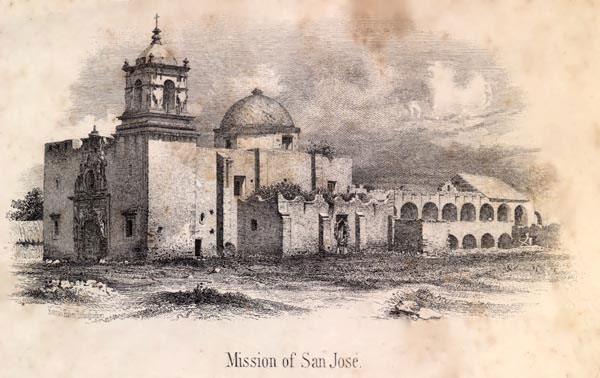
By the mid-18th century, the Spanish mission system had expanded significantly, leading to the establishment of multiple missions throughout Texas. These included notable sites such as San José, San Juan Capistrano, and Concepción. Located primarily along the San Antonio River, these missions served as religious centers, agricultural hubs, and community gathering places. They played a crucial role in the establishment of a permanent Spanish presence in the region and aimed to promote both religious and cultural assimilation among Indigenous peoples, primarily the Coahuiltecans and the Tonkawas.
The overarching goal of the mission system was to create self-sufficient communities. Missionaries encouraged farming and livestock raising, which were necessary for sustaining the missions and supporting the local population. This agricultural emphasis resulted in the introduction of new crops and farming practices to the region, changing the landscape and lifestyle of Native Texans.
Challenges and Resilience of Indigenous Peoples
While the Spanish missions sought to provide structure and community to the region, they often faced strong resistance from Indigenous tribes. Many Native Americans viewed the encroachment of European settlers as a threat to their way of life. This friction led to numerous conflicts and challenges, as tribes fought to maintain their cultural identities and autonomy.
The mission system also introduced diseases previously unknown to Indigenous populations, such as smallpox and measles. These outbreaks led to devastating losses among Native American communities, further complicating the relationship between settlers and Indigenous peoples. The combination of forced labor, religious conversion, and exposure to European diseases resulted in a tragic decline in Indigenous populations, leading to cultural disruptions and shifts in power dynamics.
Despite these challenges, numerous Indigenous people found ways to adapt to the changing landscape. Some integrated into the mission communities, adopting new agricultural practices and forming new social structures while retaining elements of their cultural identities. Others chose to forge alliances or resist colonization efforts, showcasing a remarkable resilience and determination amid adversity.
The Birth of Settlements
The success of the missions laid the groundwork for the establishment of permanent settlements across Texas. In 1731, the Spanish crown encouraged families from the Canary Islands to settle in San Antonio, marking a shift from purely missionary endeavors to a more comprehensive colonial strategy that included civilian settlers. This migration was vital in developing social and economic structures that would characterize Texas in the coming years.
Settlements like San Antonio flourished as a result of this influx. They became centers of trade, agriculture, and military presence as they secured strategic locations against potential threats. Farmers, artisans, and merchants moved to these burgeoning communities, contributing to a vibrant trade ecosystem and setting the stage for economic development.
Furthermore, intermarriages between European settlers and Indigenous peoples led to the emergence of a unique cultural identity that blended Spanish, Indigenous, and later Anglo-American influences. This interplay resulted in the creation of a culturally rich environment that would shape Texas’s character and identity in the centuries to follow. Elements of this hybrid culture are still evident today in Texas’s food, music, and festivals.
The Role of the Spanish Military
The Spanish military played a vital role in the success and survival of the settlements. As tensions grew between settlers and Indigenous tribes, military presidios (forts) were established to protect these communities. The presidio at San Antonio was among the most significant, serving as a base for military operations and a governing seat for Spanish authorities.
The presence of the military was crucial not just for protection but also for asserting Spanish control over the territory. Soldiers recruited from various backgrounds—including Indigenous peoples—were essential in curbing uprisings and maintaining order. The military’s role ensured that trade routes remained open and secured resources essential for settlement life, ultimately contributing to the longevity of the settlements.
As settlements expanded, new missions were established to support these growing communities. The interconnectedness of missions, settlements, and military outposts created a web of support that strengthened their collective existence, mirroring the broader Spanish colonial strategy throughout the Americas.
The Decline of Missions and the Transformation of Texas
As missions transitioned to parochial status or were abandoned, many of the structures fell into disrepair. While some were repurposed as community centers or homes, others succumbed to the ravages of time, weather, and neglect. Nevertheless, it was during this tumultuous period that Texas underwent a cultural transformation, influenced heavily by the influx of Anglo settlers and the rise of new economic paradigms like cotton farming.
The aftermath of the decline saw the emergence of Anglo-American towns and cities throughout Texas. Places like Houston, Dallas, and Austin rose to prominence, reflecting the shifting demographics, cultural influences, and economic priorities of the region. The legacy of the missions is still palpable, embedded in the historical narratives and architectural remnants that attract visitors and historians alike.
The Legacy of Texas Missions
The missions of Texas transformed the landscape and forged community ties that resonate to this day. They serve as historical landmarks that symbolize the complexities of colonial encounters. Modern-day Texas celebrates its mission heritage through preservation efforts, cultural programs, and festivals that showcase the state’s rich tapestry of influences.
The National Park Service now operates and preserves several historical missions, designated as the San Antonio Missions National Historical Park. Visitors can explore these sites, gaining insight into the sacrifices, struggles, and triumphs of those who lived centuries ago. The juxtaposition of past and present serves to educate future generations about the importance of coexistence and cultural appreciation.
Today, as Texas continues to evolve, the lessons learned from the history of missions and settlements remain relevant. The multicultural heritage established during the early colonial period has influenced contemporary societal norms, festivals, food, and music, making Texas a unique blend of cultures, a living testament to its storied past.
The narrative of Texas missions and settlements is not merely a chapter in history books; it is a dynamic story that continues to unfold, reminding us of the resilience and adaptability of human beings against the backdrop of change. By reflecting on this past, we gain a deeper understanding of the present, fostering a sense of connection to a place that has always been defined by its diverse influences and rich history.