









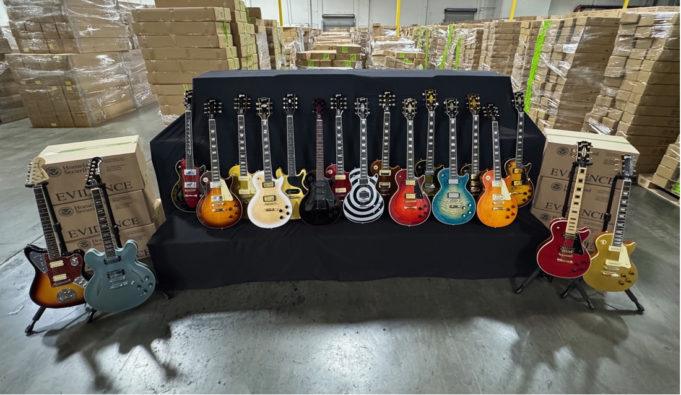
Counterfeit guitars are increasingly sophisticated, closely mimicking recognizable body shapes, finishes, logos, and serial number formats. Often, a tempting low price can hide poor-quality materials, modified parts, or instruments that lack a legitimate history. While photographs and detailed descriptions can provide some insight, buyers must seek tangible proof, trustworthy documentation, seller transparency, and secure payment options. A thorough inspection is essential to safeguard musicians, collectors, and their finances before acquiring a rare or valuable instrument.
To begin, establishing a reliable inspection routine is crucial. Utilizing independent resources on identifying fake guitars can help buyers evaluate logo geometry, serial formats, hardware, cavity work, and finish details prior to making any deposits. These comparisons are vital as convincing replicas often appear legitimate at first glance, particularly in online listings. A methodical examination can distinguish between normal wear, factory variations, and genuine repairs versus signs of a newly constructed imitation, ultimately protecting the buyer’s investment and future resale opportunities.
Warning signs can often be detected before a thorough inspection takes place. Buyers should verify spelling, model names, production years, and specifications against trusted references. Generic photographs may hide critical areas such as the back of the headstock, control cavity, neck joint, or bridge section. Although a lack of paperwork does not automatically indicate fraud, evasive responses from the seller should raise red flags. A reputable seller typically provides clear images and consistent information without hesitation when faced with reasonable inquiries.
The headstock is a significant area for comparison. Key elements such as logo spacing, letter shapes, inlay depth, tuner alignment, and finish edges should align with verified examples from the claimed production era. Counterfeiters may replicate a brand logo but often overlook subtle proportions. Signs of raised lettering, incorrect script, or uneven placement can suggest potential issues. Referring to multiple sources strengthens the case, as manufacturers occasionally modify details across different model years.
Serial numbers require careful examination rather than blind acceptance. Their location, font, sequence, and date range must correlate with the claimed brand and model. A serial number that matches another instrument could imply theft, identity alteration, or counterfeit construction. Buyers should request a clear image and consult factory records or authorized specialists where applicable. While serial information aids in authentication, it alone cannot verify originality.
Hardware inspection can reveal shortcuts that are not immediately visible under an attractive finish. Components such as bridge spacing, screw placement, tuner sizes, pickup covers, knobs, and switch tips should match period-correct examples. Signs of thin plating, soft edges, loose fittings, or incorrect measurements warrant closer inspection. Inside the control cavity, poor soldering and mismatched components may indicate a replica. Authentic instruments can have repairs, so one flaw should be evaluated within the broader context of the instrument’s overall condition.
A close examination of the guitar’s finish and woodwork may expose hasty craftsmanship. Issues such as uneven binding, excessive finish around frets, visible adhesives, shallow contours, and misaligned seams should not be overlooked. The direction of wood grain and color transitions must remain consistent across adjoining sections. Artificial aging techniques can create random scratches that lack the handling patterns typical of older instruments. A guitar that has been refinished or repaired may still be genuine, making ownership records and expert assessments crucial.
Internal areas of the instrument often receive less attention, providing valuable evidence. When possible, buyers should inspect neck pockets, pickup routes, bracing, labels, stamps, and cavity markings. Any construction methods that deviate from factory practices demand further investigation. Acoustic models may display unusual brace profiles or excess adhesive, while electric models may have unexpected routing. Photos taken from various angles can help uncover hidden modifications.
It is essential to scrutinize both the price and the seller’s narrative. An unusually low asking price can create pressure, especially when paired with claims of urgency or exceptional rarity. The value may be diminished due to damage, repairs, missing components, or regional demand, making cost alone an unreliable indicator. The seller’s account should remain consistent across communications, photographs, receipts, and dates. Inconsistent explanations, copied descriptions, or pressure tactics to bypass inspection indicate avoidable risk. Taking a moment to pause is often wiser than acting impulsively.
The seller’s identity warrants as much scrutiny as the instrument itself. A reliable seller should provide a physical address, a working phone number, transaction history, and a written return policy as safeguards. Buyers should seek independent feedback and compare current photographs with past advertisements. While private sellers may lack formal records, they should be willing to answer reasonable questions. Hesitation to provide basic information, rushed communication, or unusual payment requests should be treated with caution.
Even with verified details, transaction risks persist. Buyers should opt for payment methods that offer dispute support and avoid cash transfers to unfamiliar recipients. Shipping arrangements must include insurance, tracking, and suitable packaging. When making expensive purchases, a written agreement detailing the model, serial number, condition, and return terms is advisable. Whenever possible, local examination is preferable, as photographs cannot provide insights into weight, neck feel, odors, balance, or hidden repairs.
In conclusion, authenticating a guitar necessitates multiple corroborating clues rather than relying on a single revealing detail. Buyers should assess the headstock, serial format, hardware, finish, internal construction, pricing, and seller history before committing to a purchase. Any discrepancies should prompt a pause and possibly a second opinion from a qualified technician, reputable dealer, or experienced collector. Maintaining detailed records and utilizing secure payment methods enhances overall security. A careful inspection process empowers musicians and helps avoid costly mistakes with enticing counterfeits.