








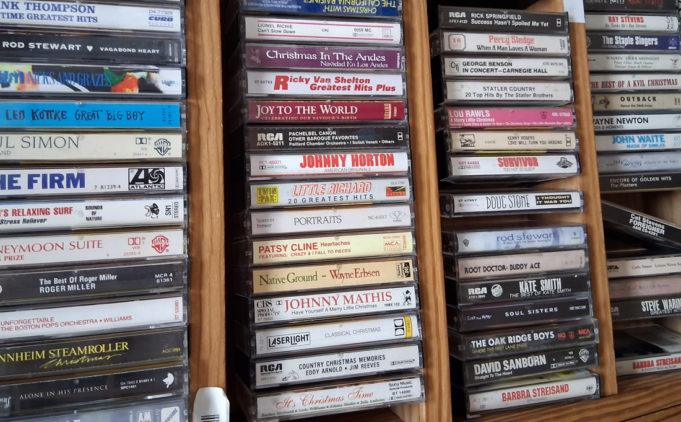
The resurgence of cassette tapes extends beyond mere audio quality, offering a tactile and sensory experience that complements their nostalgic appeal. The phenomenon gained momentum in 2016 with the hit series “Stranger Things,” which transported audiences back to the 1980s and reignited interest in cassette tapes.
Reflecting on my own journey, I can’t help but recall how I spent my first earnings from a local commercial in the early 1990s on cassette tapes featuring artists like Bel Biv Devoe and MC Hammer. Those tapes were cherished, often played until they wore thin, and I even recorded over some with radio hits. But that’s a secret now.
Cassettes played a pivotal role in my teenage life, providing a creative outlet during a summer I spent grounded. Armed only with a second-hand typewriter and my collection of tapes, I meticulously retyped song lyrics until they became part of my identity. As time passed, I began to write my own lyrics, nurturing a love for writing that has only intensified over the years.
The introduction of CDs was a significant change; while they were exciting, I found them less portable and more restrictive for music piracy. Eventually, I gravitated back to vinyl, leaving my cassettes behind when I parted ways with the car that could still play them.
Perhaps the digital media saturation has left many feeling fatigued, or maybe it’s the desire to possess a physical item that drives this cassette revival. Cassettes offered more than just music; they came with booklets filled with photos, lyrics, and trivia, providing a richer experience for music enthusiasts.
In the 2010s, underground musicians began embracing cassettes again, leading to a resurgence that continued into the 2020s. Notable artists like Billie Eilish and The Weeknd have also released cassette versions of their albums, albeit at a premium price compared to local artists, who can sell quality cassettes for much less.
Today, many collectors purchase cassettes for their novelty or as a way to complete their album collections in every format. Wyatt Parkins, founder of Fort Worth’s Saint Marie Records, notes that cassettes are an appealing option for certain projects due to their lower production costs and unique packaging. He appreciates their personal touch, emphasizing their status as physical items that foster interaction.
The local band Mean Motor Scooter has found success in releasing music on cassettes, with frontperson Sammy Kidd highlighting their affordability. At around five dollars each, cassettes provide an accessible way for fans to support their favorite artists without the financial strain of pricier vinyl records. Kidd shares that the unique sound of cassettes captures nuances that other formats often miss, leading to a dedicated fanbase.
Forever Young Records in Grand Prairie boasts an extensive cassette collection, with many priced around five dollars. The store’s inventory includes rare finds and new releases, attracting younger audiences drawn to the cost-effective and unique listening experience that cassettes provide.
In a world dominated by streaming, the tangible nature of cassettes offers a distinct connection to music. Kidd emphasizes that the band releases music in all formats, each offering a different auditory perspective, including cassettes, vinyl, and streaming options.
Fort Worth’s Dreamy Life Records also supports cassette releases, with many artists opting for a DIY approach to ensure quality control during production. Kidd explains that they prefer to handle the manufacturing themselves to avoid issues with blank tapes.
While cassette selections in record stores may be limited, Parkins encourages local bands to pitch their projects, expressing interest in expanding the cassette offerings. Notably, local punk band Antirad has performed well in this niche market.
Some artists, like Fort Worth rapper 88Killa, sell cassettes exclusively at live shows, providing fans with a nostalgic memento. He reports successful sales, treating them as collector’s items that hold significant value for supporters.
The appeal of cassettes lies in their ability to create a physical and kinetic bond with music, enhancing the emotional experience. For many artists, selling cassettes at shows offers a more intimate connection compared to streaming services.
While streaming can be less profitable for musicians, the sale of physical recordings, including cassettes, provides them with greater financial support. As digital media continues to dominate, the desire for tangible music experiences remains strong.
Although the cassette revival may not rival the vinyl resurgence, its presence is notable and suggests a niche market. Given the meager compensation from streaming platforms, producing cassettes through affordable services can yield better returns for artists.
Supporting musicians by purchasing physical music remains a vital way to bolster their careers. Buying from record stores not only helps artists but also allows listeners to enjoy tangible music while often offering digital download options for convenience.
For just five dollars, I recently acquired a full Tracy Chapman album on cassette, complete with lyrics to explore. This purchase serves as a conversation starter and a means to support independent record stores and artists alike.