









Historic Houston Churches and Cathedrals
Houston, Texas, is not only known for its sprawling urban landscape and booming economy but also for its rich tapestry of history deeply embedded in its architectural structures. Among these, the city’s historic churches and cathedrals stand out, reflecting decades, if not centuries, of community service, resilience, and spiritual significance. They serve as important landmarks not just for their aesthetic value but for the stories of faith, struggle, and ambition they encapsulate.
This article delves into the iconic churches and cathedrals of Houston, exploring their history, architectural styles, and the roles they play in the fabric of the city. Each structure tells its unique story, reflecting the diverse contributions of various religious communities that have shaped Houston over the years.
The Architectural Diversity of Houston
When discussing the historic churches and cathedrals of Houston, it is evident that the city boasts an array of architectural styles. From Gothic Revival to modernist designs, the places of worship are a testament to the artistic evolution over time. These buildings are not just venues for religious services; they are also artistic expressions that mark the skyline of the city.
The most prominent architectural styles found in Houston’s churches include:
- Gothic Revival – Characterized by pointed arches and intricate detailing.
- Romanesque – Notable for its robust structure and semi-circular arches.
- Neoclassical – Featuring grand columns and symmetry.
- Modernist – Emphasizing simplicity and functionalism.
Each architectural style brings its own history and significance. Gothic Revival, for instance, flourished during the 19th century, symbolizing a return to the spiritual during an age of industrial growth. Romanesque architecture, prominent in earlier years, conveyed strength and stability, echoing the community’s enduring faith amidst societal changes. As we look further into individual churches, we can explore how these styles manifest in real examples, reflecting the cultural and historical context of their construction.
St. Paul’s United Methodist Church
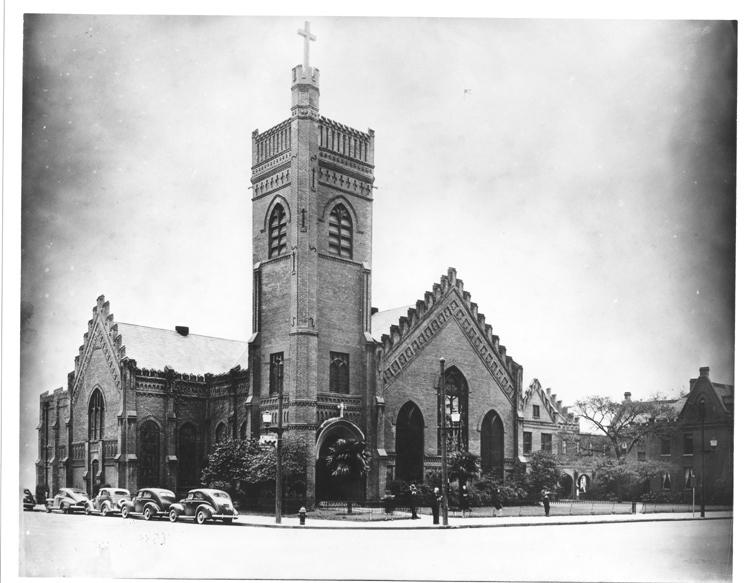
Established in the late 19th century, St. Paul’s United Methodist Church stands as a beacon of faith and community outreach in the heart of Houston. Located on Main Street, this historic church is widely recognized for its stunning Gothic Revival architecture, characterized by its pointed arches and beautiful stained glass windows. The church’s first building, completed in 1893, laid the foundation for a growing congregation that has continued to thrive over the years.
Significantly, St. Paul’s has not only served as a spiritual home but also as a community center for various social services. The church has been instrumental in outreach programs aimed at aiding local families, providing educational opportunities, and addressing the spiritual needs of the growing urban population. Its commitment to social justice is reflected in numerous initiatives driven by the church community.
Throughout its history, St. Paul’s has seen significant growth and renovations. The current sanctuary, constructed in 1954, exemplifies modern adaptations of Gothic elements and houses an impressive organ, enhancing the worship experience. The church’s dedication to balancing tradition with contemporary needs is evident in its active programming, which attracts a diverse congregation.
Community Impact
The impact of St. Paul’s extends beyond its walls, as it engages with surrounding neighborhoods to address prevalent issues such as poverty, education, and healthcare. Armed with a mission to serve and uplift, the church has launched several community-oriented projects, including food drives, youth mentorship programs, and pastoral counseling. Its influence in fostering a spirit of collaboration and support has earned the church a special place in the hearts of many.
Christ Church Cathedral
Another significant landmark is Christ Church Cathedral, the seat of the Episcopal Diocese of Texas. Established in the early 20th century, the cathedral showcases a beautiful blend of Romanesque and Gothic architectural styles. Its magnificent tower, soaring arches, and intricate craftsmanship make it a noteworthy example of ecclesiastical architecture in Houston.
The cathedral serves not only as a place of worship but also as a hub for musical and cultural celebrations. The renowned Cathedral music program includes a variety of performances, from solemn choral evensongs to vibrant community concerts. The acoustics and beauty of the space enhance the musical experience, encouraging a sense of reverence and connection among attendees.
Over the years, Christ Church Cathedral has adapted to the evolving needs of its congregation. Its commitment to inclusivity and outreach has fostered a community that welcomes individuals from all walks of life. The cathedral hosts various groups, including support ministries, art exhibitions, and interfaith dialogues, highlighting its role as a modern spiritual and cultural center.
Historical Significance
The historical significance of Christ Church Cathedral is deeply intertwined with the evangelical mission of the Episcopal Church in Texas. As the first diocese established in Texas, the cathedral has played a crucial role in shaping the religious landscape of the region. Historic events, including episcopal consecrations and significant gatherings, have taken place within its walls, making it a central player in local church history.
Our Mother of Mercy Catholic Church
Located in Houston’s Third Ward, Our Mother of Mercy Catholic Church represents the rich cultural heritage of the African American community. Founded in 1927, the church is known for its vibrant community life and commitment to social justice. Its simple yet beautiful architecture reflects a profound spiritual ethos rooted in faith and resilience.
The church has a deep historical context, emerging during a time when many African Americans sought spiritual refuge amidst the struggles of segregation and inequality. Our Mother of Mercy serves not only as a spiritual sanctuary but as a community center where social issues are addressed and celebrated through various programs and events.
Several initiatives have emerged from the church, focusing on education, health, and social welfare, demonstrating a commitment to uplifting the community. The parishioners’ active participation in events often centered around social justice resonates deeply with the church’s mission to empower individuals and foster a sense of solidarity among its members.
A Hub of Cultural Events
Our Mother of Mercy is also known for hosting cultural and religious events that celebrate African American heritage. Annual celebrations, such as Black History Month events, highlight significant figures in the community and promote further engagement through storytelling and education. These events not only honor the past but inspire younger generations to continue the legacy of faith and activism.
Trinity Episcopal Church
Trinity Episcopal Church, situated in the Midtown area of Houston, is a prime example of neoclassical architecture, characterized by its striking columns and symmetrical design. Established in 1839, this church has been a cornerstone of the Episcopal community and a focal point for many significant community initiatives. The church has embraced a vision of inclusivity and service, echoing throughout its long-standing history.
Over the decades, Trinity has evolved, reflecting changing architectural trends while preserving its historic charm. As urban development surged around it, the church became a compassionate refuge, providing a space for spiritual growth and community gathering. Its programming fosters not only faith but also community service, arts, and education.
The church’s role in the community cannot be overstated; it provides sanctuary and support through numerous outreach programs aimed at homelessness and poverty alleviation. Through partnerships with local organizations, Trinity engages in meaningful work that strengthens the bonds of community and extends its outreach beyond traditional boundaries.
Educational Programs
Education and community engagement are pivotal to Trinity’s mission. The church offers various programs, including Bible studies, art classes, and discussions on current social issues. The aspiration is to promote not only spiritual development but a greater understanding of community responsibilities. By fostering a culture of learning and dialogue, Trinity Episcopal Church embodies the belief that faith and action must go hand in hand.
Final Reflections
The historic churches and cathedrals of Houston are more than mere structures of worship; they are vital components of the city’s historical and cultural narrative. Each building, with its unique architectural style and community-driven mission, tells a story of faith, resilience, and adaptation to modern challenges. They serve a dual purpose as centers of spiritual growth and as essential hubs for community service and social outreach.
As Houston continues to grow and evolve, the significance of these historic churches remains steadfast. Their commitment to fostering community, promoting inclusivity, and addressing societal needs is a powerful reminder that faith can be a transformative force. By preserving the rich history and embracing the future, these churches will undoubtedly continue to play a crucial role in shaping the future of Houston.
In recognizing and valuing these historic treasures, Houston not only honors its past but also nurtures its present and future, ensuring that faith, hope, and community will thrive in the heart of the city.