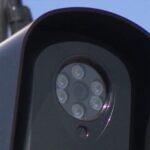







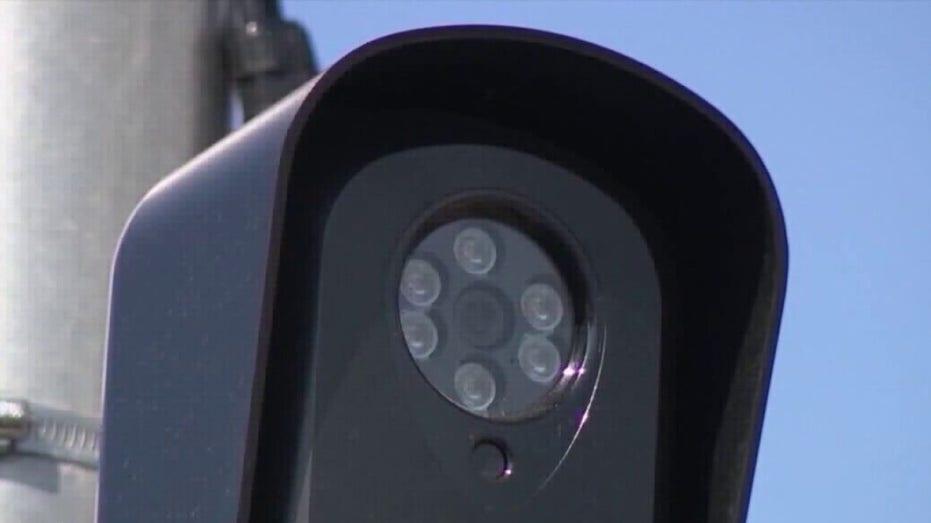
The Hutto City Council has made the decision to terminate the use of Flock Safety Automated License Plate Reader cameras by the Hutto Police Department (HPD). This resolution emerged following an internal review conducted by HPD, which raised significant concerns regarding the access and management of the data collected by these cameras.
Police Chief Yarbrough emphasized the department’s ongoing commitment to evaluating how best to serve and protect the community. “We’re always evaluating how we can best serve and protect the people of Hutto, and that means staying thoughtful about the tools we use and how they’re used,” he stated, highlighting the rationale behind the council’s decision.
The concerns identified during the evaluation included issues surrounding how partner agencies access data from the Flock system, which are not subject to HPD’s own policies regarding data management. Furthermore, advancements in artificial intelligence technology have raised additional questions that contributed to the decision to discontinue the camera’s use.
Despite the challenges, Flock Safety’s Automated License Plate Readers had previously aided HPD in various criminal investigations, serving as a valuable asset for public safety. However, upon recognizing the potential risks associated with the technology, HPD leadership promptly removed the cameras, and the city council’s vote confirmed that they will not be reinstated.
Moving forward, HPD will rely on its existing resources and methods to continue addressing criminal cases and ensuring community safety without the assistance of the automated license plate readers.
Statewide Developments
In a broader context, the Texas Department of Transportation has also ceased issuing permits for the installation of Flock cameras and other automatic license plate readers along state roads. This marks the second suspension ordered by Governor Greg Abbott, who previously halted state funding for the cameras earlier in the month.
This new halt on permits will not affect cameras that are already installed along state rights-of-way but will apply to any agreements that have been approved but not yet implemented, according to a spokesperson from the agency.