









Governor Abbott Targets Local Regulations to Address Housing Affordability
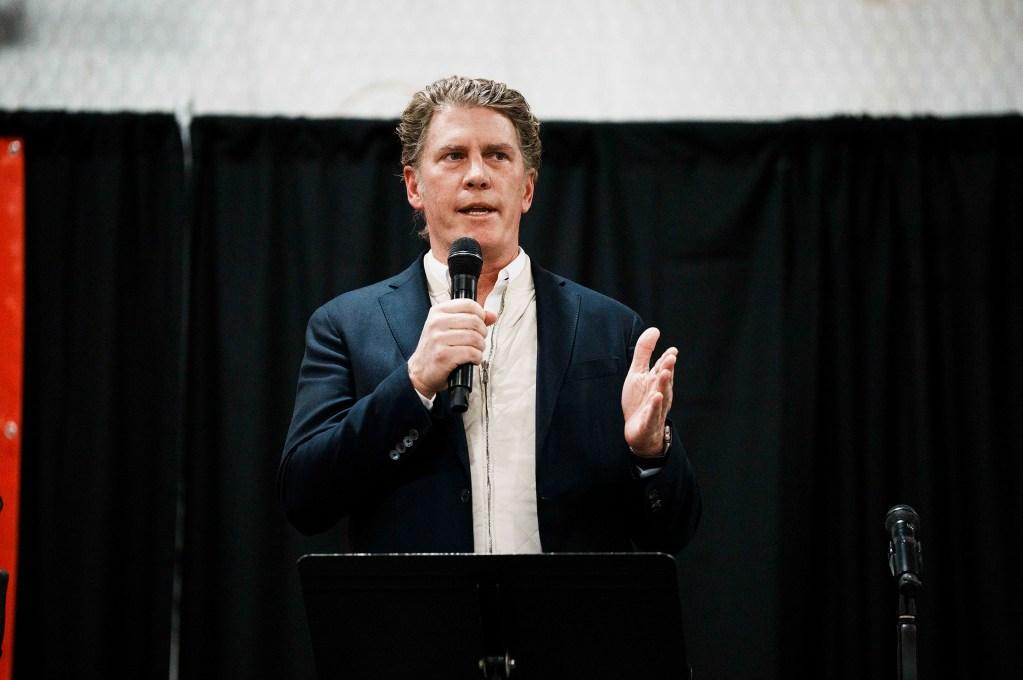
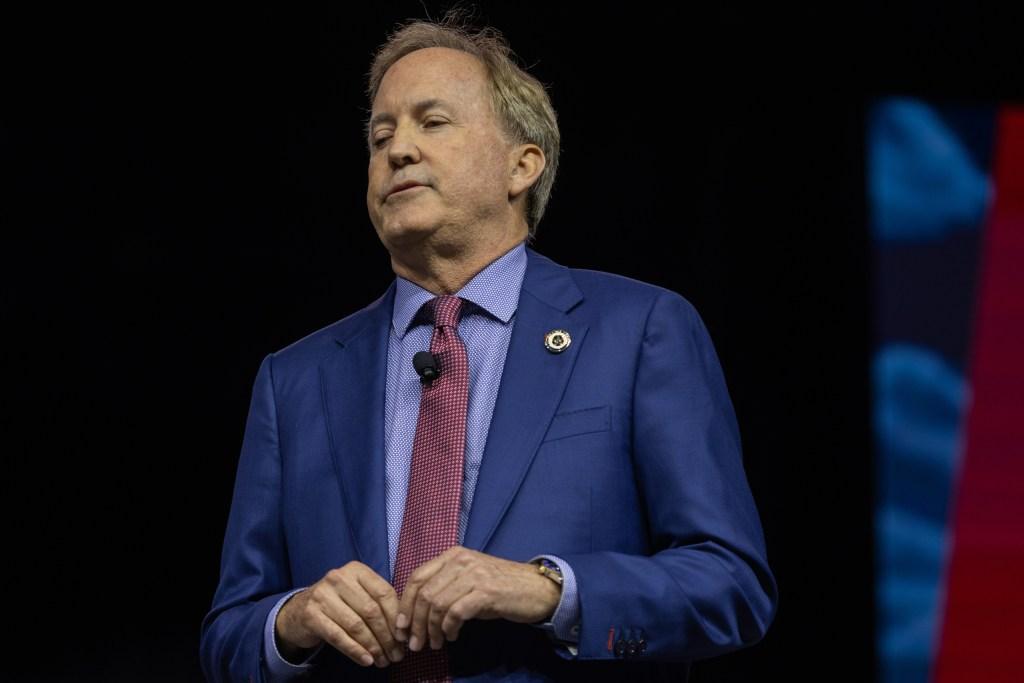
Governor Greg Abbott is taking aim at cities he claims are obstructing efforts to tackle housing affordability issues in Texas, advocating for legislation that would facilitate homeowners in constructing additional dwellings in their backyards. His remarks came during a campaign event in Round Rock on Friday.
Last year, Abbott endorsed a bipartisan set of laws designed to alleviate the state’s housing shortage by promoting the construction of more homes, a strategy believed to help lower housing costs. However, several cities, particularly in the Dallas-Fort Worth area, have enacted local regulations that limit the number of homes being built under these new laws.
During his speech, Abbott accused these municipalities of “skirting the law” and pledged to pursue measures that would withhold sales tax revenue from any city or county found to be “violating the law,” though he refrained from naming specific locations.
“We have cities across the state that are finding ways to skirt around the laws that we’ve already passed to rein in all of the costly mandates imposed by cities,” Abbott stated. “Now we’re adding teeth to that.”
Supporting Accessory Dwelling Units
Abbott’s agenda also includes simplifying the process for homeowners to build accessory dwelling units (ADUs) — commonly referred to as granny flats or mother-in-law suites — in the backyards of single-family homes. Housing experts advocate for ADUs as a cost-effective solution for increasing housing availability, allowing homeowners to accommodate family members or generate rental income without disrupting the character of single-family neighborhoods.
While many Texas cities officially permit accessory dwelling units, they often impose restrictive regulations that hamper their development. Abbott is advocating for homeowners to have an automatic right to add these units to their properties.
Opposition to ADUs often stems from neighborhood groups concerned about their potential use as short-term rentals. Additionally, local governments express frustration at the prospect of state lawmakers dictating housing types and regulations. Previous efforts to promote ADUs have faltered in the Texas Legislature over the last two sessions.
Public opinion in Texas appears to favor the expansion of ADUs. While statewide proposals have fallen short, similar initiatives have been successful in states like Colorado and Utah, according to Nicole Nosek, founder of Texans for Reasonable Solutions, which advocated for last year’s housing legislation.
“A garage apartment for Grandma isn’t an urban planning crisis,” Nosek remarked. “It’s a teacher, a young married couple, or a paycheck for senior citizens — and the Governor just said so out loud.”
Legislative Changes and Local Pushback
Last year, Abbott signed two laws aimed at relaxing local zoning restrictions in major cities, allowing for increased apartment construction and smaller homes on smaller lots. A recent tally from a bipartisan coalition supporting these bills indicates that approximately 12,000 homes are now in development as a result.
Notably, North Texas suburbs have raised concerns regarding Senate Bill 840, which enables developers to construct apartments or mixed-use complexes on land previously designated solely for offices, retail spaces, and warehouses in the state’s largest cities.
Reports indicate that several municipalities in North Texas have implemented stricter height limits, amenity stipulations, and building codes to limit housing construction permitted under the law. For instance, a newly approved apartment complex in Irving must now consist of eight stories unless the City Council intervenes — a requirement Abbott highlighted during his speech. Arlington and Plano have adopted comparable stipulations.
In addition, some cities now require developers to include specific amenities in apartment complexes. Grand Prairie mandates that apartments developed under SB 840 include an Olympic-sized swimming pool, while new apartments in Irving must offer features such as a dog park or remote workspaces.
Abbott noted that these added requirements could increase construction costs, potentially hindering project completion. Representatives from Irving and Grand Prairie did not respond immediately for comment.
Furthermore, four cities have introduced additional stipulations related to Senate Bill 15, which reduces the minimum land requirements for single-family homes in new subdivisions.
Abbott’s latest initiatives come as candidates in the upcoming 2026 midterms face mounting pressure to address the rising cost of living in Texas, particularly regarding housing expenses. Recent polling reveals that approximately 60% of Texans have experienced a rise in housing costs over the past year, with many indicating difficulty in saving or delaying major expenditures, such as healthcare, due to these financial strains.