








The Story of Texas Railroads
The history of Texas railroads is a narrative woven into the very fabric of American prosperity and expansion. When individuals think of the Lone Star State, images of vast landscapes, rugged cowboys, and iconic barbeque may come to mind. However, the narrative cannot be complete without appreciating how railroads played a crucial role in shaping Texas’s economy, culture, and geography. From the humble beginnings of rail transport to the modern web of rail lines traversing the state, the journey of Texas railroads is as remarkable as the state itself.
As Texas grew, so did the need for efficient transportation systems to connect burgeoning cities and transport natural resources. The birth of the railroad era was instrumental in transforming Texas from an isolated frontier to a bustling hub of commerce and trade. This article explores the evolution of Texas railroads, highlighting key developments, significant events, and influential figures that have helped mold this vital industry over the centuries.
The Early Days of Railroads in Texas
The inception of railroads in Texas can be traced back to the mid-19th century, during a period of rapid expansion and thirst for innovation. The first railroad charter in Texas was granted to the Railroad and Telegraph Company in 1837. However, it was not until 1853 that the first railroad, the Buffalo Bayou, Brazos & Colorado Railway, began operation, transporting goods between Harrisburg and the Brazos River. This milestone marked a watershed moment in Texas history.
In the years that followed, the demand for rail infrastructure flourished, as the agricultural sector began to demand better means of transportation. The influx of settlers drawn to the fertile lands of Texas prompted the expansion of the rail network. By the onset of the Civil War, Texas boasted around 1,300 miles of railroad track, positioning it as an emerging force in the southern United States. During this period, the railroads were not solely focused on passenger service; they became indispensable for transporting cotton, cattle, and other goods across vast distances.
The Civil War and Its Aftermath
The Civil War brought about significant disruptions in railroad operations, as many railroads were repurposed for military logistics. The impact of the war was felt acutely in Texas, where railroads played a crucial role in the Confederate supply chain. Many tracks were damaged, and trains were often attacked by guerrilla factions. The civil unrest caused extensive deterioration, leading to a chaotic post-war reconstruction.
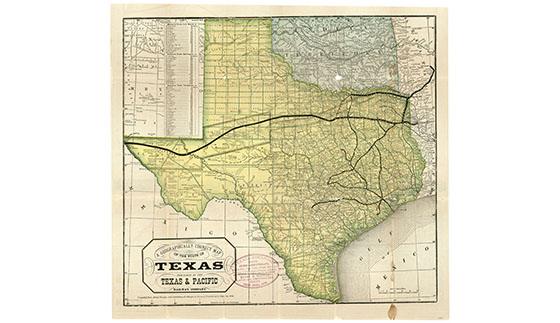
However, the post-war period ushered in an era of revitalization and expansion. The 1870s marked a golden age for railroads in Texas, characterized by liberal land grants and federal subsidies awarded to railroad companies. During this time, prominent railroads such as the Southern Pacific Railroad and the Texas and Pacific Railway expanded rapidly, linking major urban centers and boosting economic activities across the state through improved access to markets.
The Golden Age of Railroads
As the Texas economy flourished in the late 19th century, railroads became the backbone of industrial growth. The expansion of the rail network facilitated the transition from an agrarian economy to one characterized by burgeoning industries, including oil and steel. The Texas Railroad Commission was established in 1891 to regulate the railroad system and oversee its operations, ensuring fair practices among the rapidly proliferating companies.
This golden age saw the development of extensive networks connecting Austin, Houston, Fort Worth, and Dallas, allowing for more efficient movement of goods and people. Major advancements in technology, including steam locomotives and the introduction of refrigerated cars, transformed the transportation landscape, making it possible to ship perishable goods such as meat and produce across long distances. By 1900, Texas had become the second-largest state in terms of railroad mileage in the United States.
Cattle Drives and the Railroad Connection
The relationship between cattle drives and railroads is emblematic of Texas’s rich cultural identity. Traditionally, cowboys drove cattle over long distances to railheads, where animals would be loaded onto trains for transport to markets in the East. This synergy between cattle ranchers and railroad operators facilitated economic growth and helped establish Texas as the leading cattle-producing state in the nation.
The famed Chisholm Trail and later the Goodnight-Loving Trail were essential routes that linked cattle ranchers with railroads, allowing them to reach flourishing markets and increase their profitability. As the demand for beef surged, especially following World War II, railroads remained a vital conduit for moving livestock, reinforcing their significance in the state’s agricultural economy.
The Decline and Transformation of Railroads
By the 1970s, deregulation of the rail industry set the stage for more transformations. Legislation passed to allow greater flexibility and efficiency for railroad operations led to mergers and acquisitions that resulted in more dominant players in the market. The Texas rail industry underwent a major metamorphosis, with companies like Burlington Northern Santa Fe (BNSF) and Union Pacific emerging as significant forces that continue to shape the modern transportation landscape.
Modern Railroads in Texas
Today’s rail network in Texas is a far cry from its beginnings in the 1800s, marked by cutting-edge technology and sustainability initiatives. Spanning thousands of miles, the railroads now facilitate everything from freight transport to commuter services. The Texas Central Railway, a proposed high-speed rail linking Dallas and Houston, aims to bridge the gap between traditional rail and modern transit needs, promising to change the dynamics of intra-state travel.
The contemporary focus on freight transport underscores the importance of railroads in a state that leads the nation in energy production, especially with the rise of wind energy and oil. Railroads have adapted to shifting economic realities, committing to sustainability by integrating efficient systems that help reduce carbon footprints, such as using alternative fuels and optimizing load capacities.
The Cultural Impact of Railroads
The cultural impact of railroads extends beyond economics; it has left indelible marks on the social and cultural landscape of Texas. As trains became a primary mode of transport, they brought diverse populations into cities, contributing to multiculturalism and economic interdependence. Towns like El Paso, San Antonio, and Houston developed vibrant communities around railroad hubs, leading to unique cultural exchanges that became defining elements of Texas’s identity.
Moreover, literature, music, and art have been heavily inspired by the romance of the railroads. The image of the train has been romanticized in Texan folklore, symbolizing adventure, freedom, and progress. Notable musicians like Willie Nelson and Johnny Cash have cited trains as metaphors in their lyrics, further embedding railroads in the cultural narrative of Texas.
The Ongoing Legacy
The legacy of Texas railroads is evident in the state’s ongoing economic reliance on rail infrastructure. With the advent of new technologies, railroads are continually evolving. Investment in advanced rail systems, including technologies that enhance safety and efficiency, underlines a commitment to maintaining railroads as a central component of transportation in Texas.
Moreover, the storytelling surrounding Texas railroads continues to thrive. Museums and heritage railways celebrate the rich history, featuring exhibitions that recount the tales of pioneers, cowboys, and the evolution of railway technology. Events such as railroad festivals draw crowds, showcasing the importance of maintaining this storied past while embracing modern innovations.
The journey of Texas railroads is a story of transformation, resilience, and cultural richness. From humble beginnings to becoming a crucial component of Texas’s identity, the railroads reflect the dynamic spirit of a state that continues to forge ahead, embodying the unyielding spirit of its people.